


The $200 Leather Bag Mistake: A Professional's Guide to Smart Investing
Spending $200+ on a leather bag? You're about to make a decision that could either serve you for decades or cost you twice when you have to replace it within a year.
After helping over 500 professionals choose the right leather goods over eight years, I've witnessed the same costly errors repeatedly. The difference between a smart investment and an expensive mistake often comes down to four critical factors that most buyers overlook.
The Real Cost of Getting It Wrong
When you're investing in a quality leather bag, you're not just buying an accessory, you're investing in your professional image, daily comfort, and long-term value. Yet I consistently see buyers make decisions that turn their investment into a recurring expense.
Here's what happens when you get it wrong, and more importantly, how to protect your investment.

Mistake #1: Chasing Trends Over Timeless Quality
That Instagram-famous bag might look perfect for your feed, but when the handle snaps during your morning commute six months later, you're left with pure frustration and an empty wallet.
Real client story: Sarah invested $180 in a "trendy" bag that developed cracks after just four months of regular use. The synthetic leather couldn't handle daily wear, and the fashion-forward design quickly looked dated. Her replacement full-grain leather bag? Still pristine after three years of heavy use.
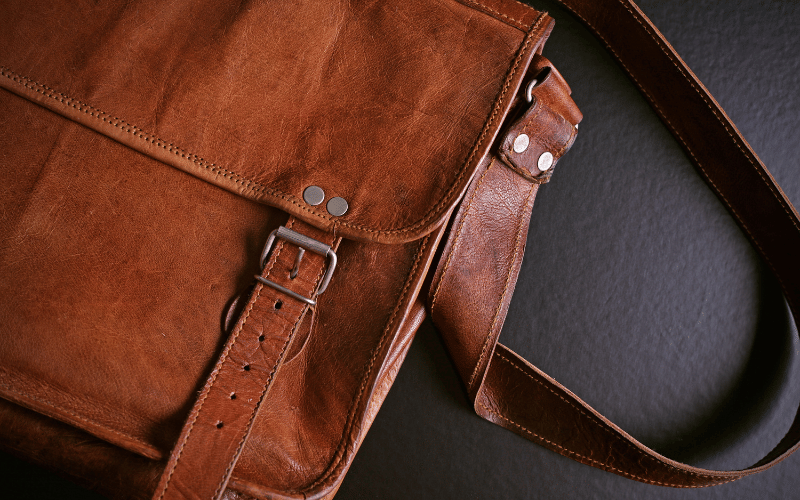
The fix: Choose full-grain or top-grain leather in classic designs. Your $300 investment will outlast three $100 trendy bags and actually look better with age. Classic styles never go out of fashion, and quality leather develops a beautiful patina over time.
Mistake #2: Not Understanding Leather Types
Walking into a store without knowing your leather types is like shopping for a car without understanding engines. You'll pay premium prices for synthetic blends that fall apart, and I've seen $250 "leather" bags that were 60% synthetic material.
The fix: Always ask specifically what type of leather is used:
- Full-grain leather is the most durable option and ages beautifully
- Top-grain leather is the second-best choice and still offers excellent longevity
- Avoid synthetic blends if you want a bag that lasts 5+ years
Understanding these distinctions will save you from paying leather prices for plastic performance.
Mistake #3: Forgetting Your Daily Reality
A gorgeous bag that doesn't fit your laptop, hurts your shoulder after two hours, or looks completely out of place in client meetings is an expensive mistake that will sit unused in your closet.
The fix: Think practically before you buy. Ask yourself: "Will this carry my essentials comfortably for 8+ hours? Does it match my professional image? Can I grab what I need quickly during a busy day?"
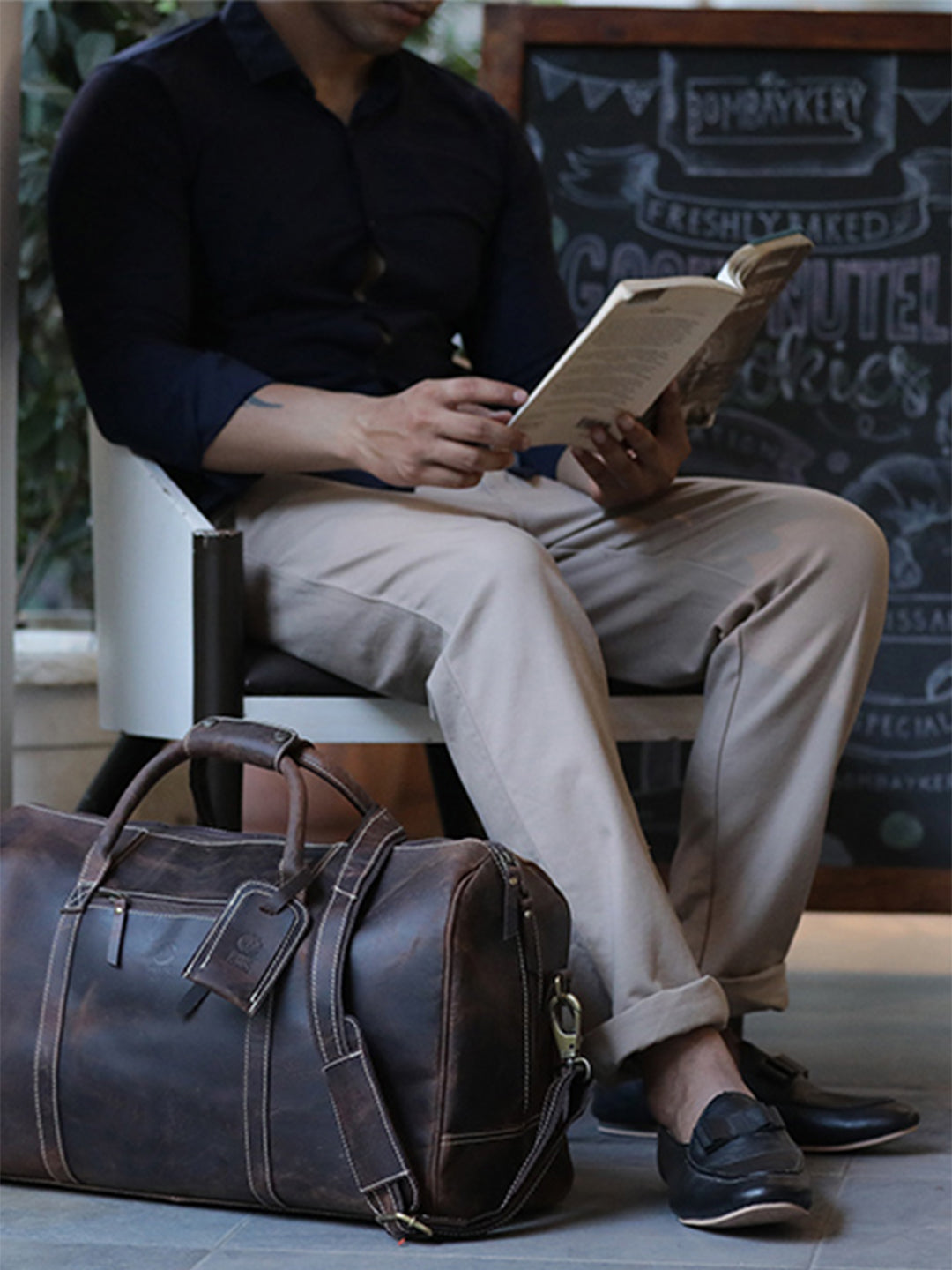
Consider your actual lifestyle, not your aspirational one. If you commute by bike, that beautiful structured bag might not be practical. If you're constantly in and out of meetings, easy access to your essentials matters more than Instagram appeal.

Mistake #4: Treating Leather Like Plastic
Even a $500 bag will look cheap if you neglect it. The confidence that comes from carrying something truly well-made disappears when it's cracked, faded, and falling apart.
The fix:
- Condition your leather every 3-6 months with quality leather conditioner
- Keep it dry and properly shaped when stored
- Protect it from extreme temperatures and direct sunlight
- Just 10 minutes of care every few months equals years of extra life
The Investment Mindset
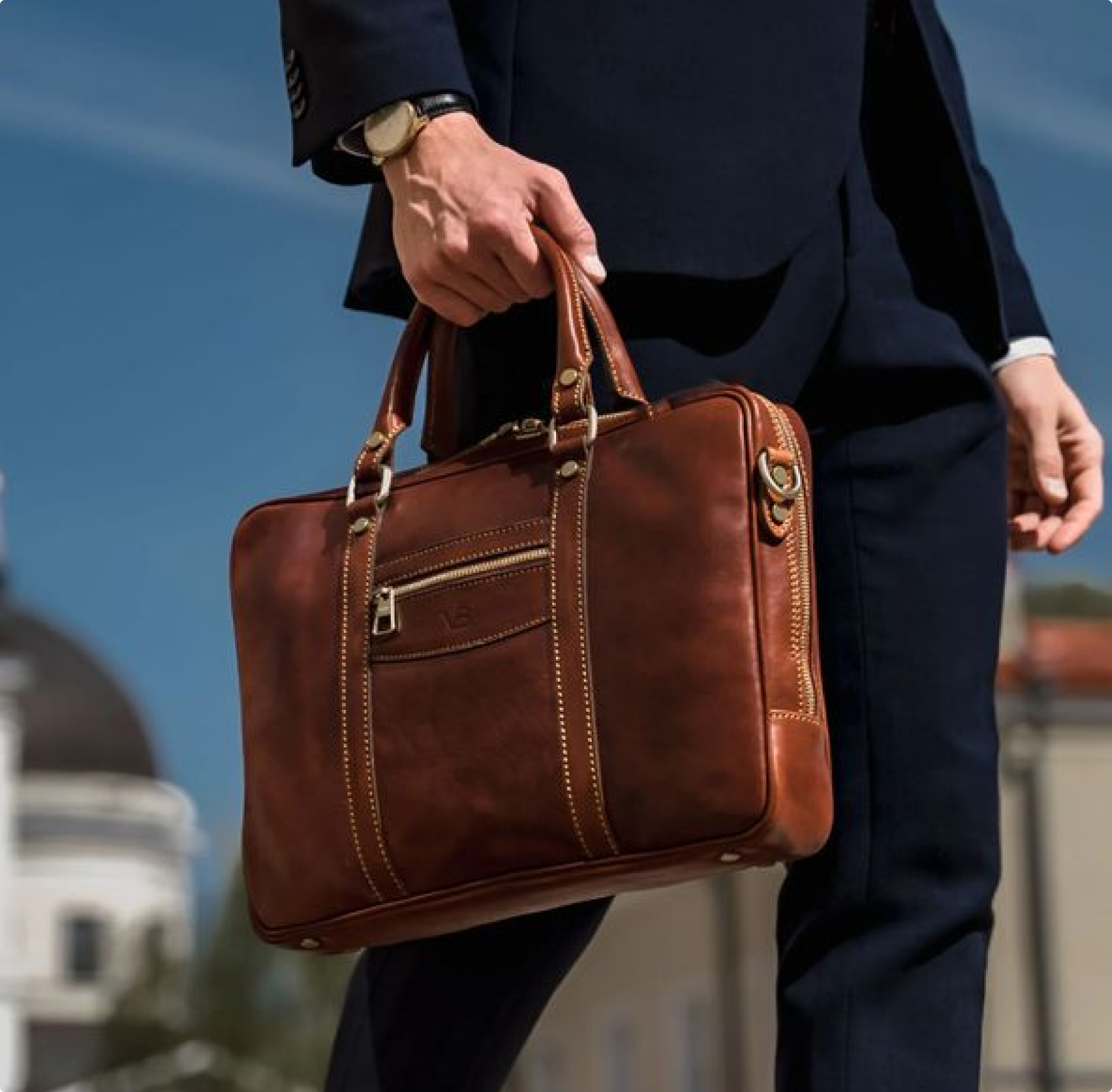
In our throwaway culture, investing in quality leather goods is really investing in yourself. The right bag becomes part of your professional identity, reliable, refined, and respected. It's the accessory that colleagues notice and remember, the one that makes you feel confident walking into any meeting.
When you calculate the true cost per use over several years, quality leather goods often cost less than constantly replacing cheaper alternatives. More importantly, you avoid the frustration of dealing with broken zippers, cracked handles, and faded materials when you need to look your best.
Making the Right Choice
Quality leather goods aren't just purchases, they're partnerships. The right bag will adapt to your needs, age gracefully, and become more beautiful over time. It's the difference between owning something and having something own you through constant replacement and repair.
Before your next leather goods purchase, take time to understand what you're really buying. Research the leather type, consider your practical needs, and factor in long-term care. Your future self will thank you for making the investment in quality that lasts.
Your Next Step
Ready to invest in quality that lasts? Take a moment to consider what you really need from your next leather bag. Think beyond the initial purchase price and consider the true value over time.
What's been your biggest bag buying regret?
Share your experience in the comments below, let's make sure it never happens again.