


The Leather Renaissance: Why Timeless Craftsmanship is Fashion's Newest Trend
In the ever-spinning carousel of fashion trends, something remarkable happened during the recent fashion weeks in Paris, Milan, and New York. Amidst the glitter of runway shows and the buzz of street style photographers, one material emerged as the undisputed star: leather.
But this isn't just another fleeting trend, it's a fundamental shift toward conscious consumption and timeless style.
The Great Fashion Reset
The fashion industry is experiencing what experts are calling a "great reset." After years of fast fashion dominance, consumers are making a dramatic pivot toward intentional purchasing. The numbers tell the story: according to recent industry reports, shoppers are increasingly viewing fashion purchases as long-term investments rather than disposable trends.
This shift represents more than just changing consumer preferences, it's a rebellion against the throwaway culture that has defined fashion for the past two decades. Today's consumers are asking harder questions: Where was this made? Who made it? Will it last?

Why Leather is Leading the Charge
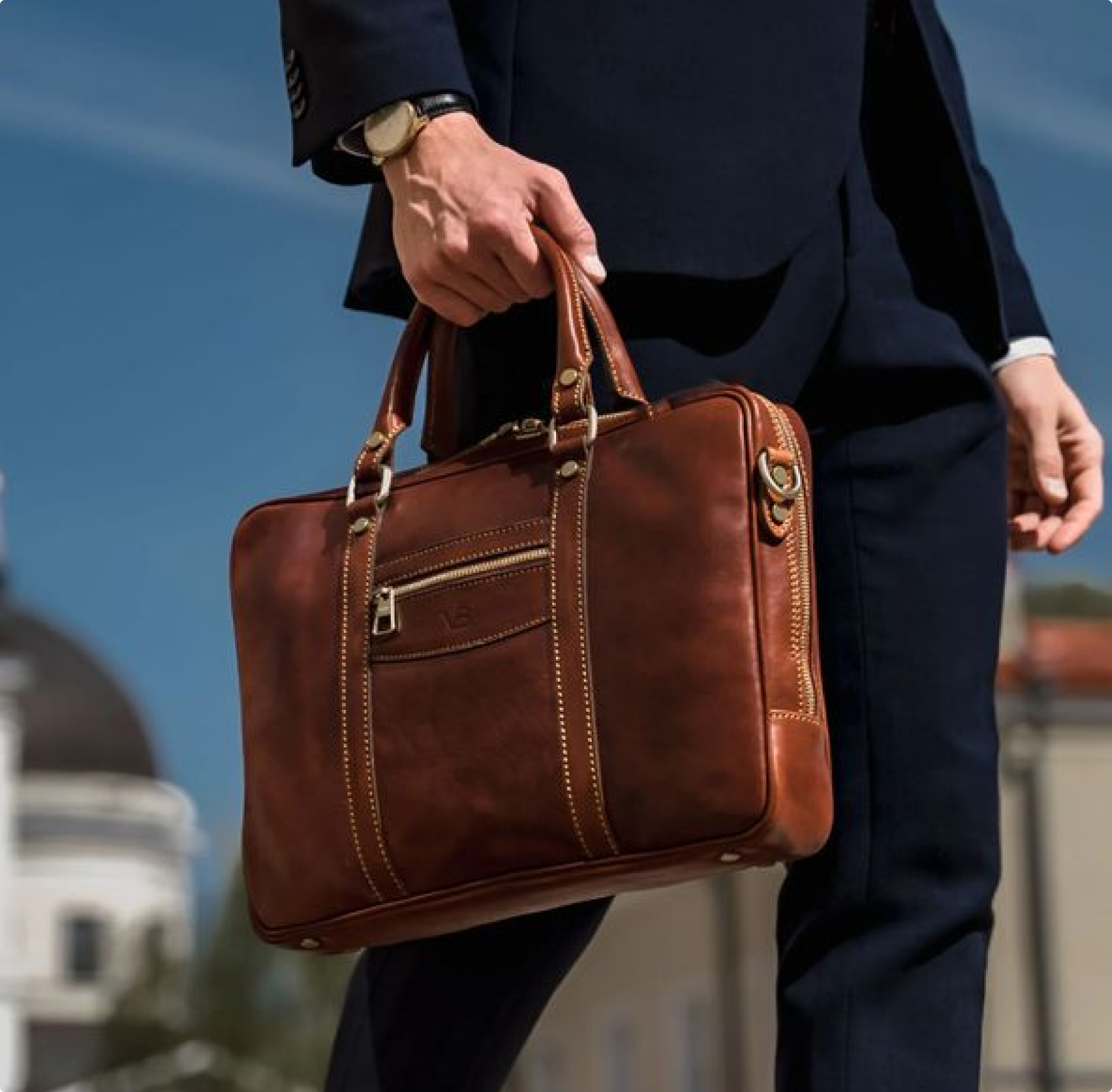
Leather has emerged as the perfect answer to these questions. Unlike synthetic alternatives that deteriorate quickly, quality leather actually improves with age, developing a unique patina that tells the story of its journey.
This aging process transforms each piece into something truly personal, a far cry from the mass-produced uniformity of fast fashion.
The current leather renaissance is characterized by several key trends:
Structured Minimalism: Clean lines and geometric shapes are dominating the leather goods market. Think sharp satchels that transition seamlessly from boardroom to weekend brunch, embodying the modern professional's need for versatile functionality.
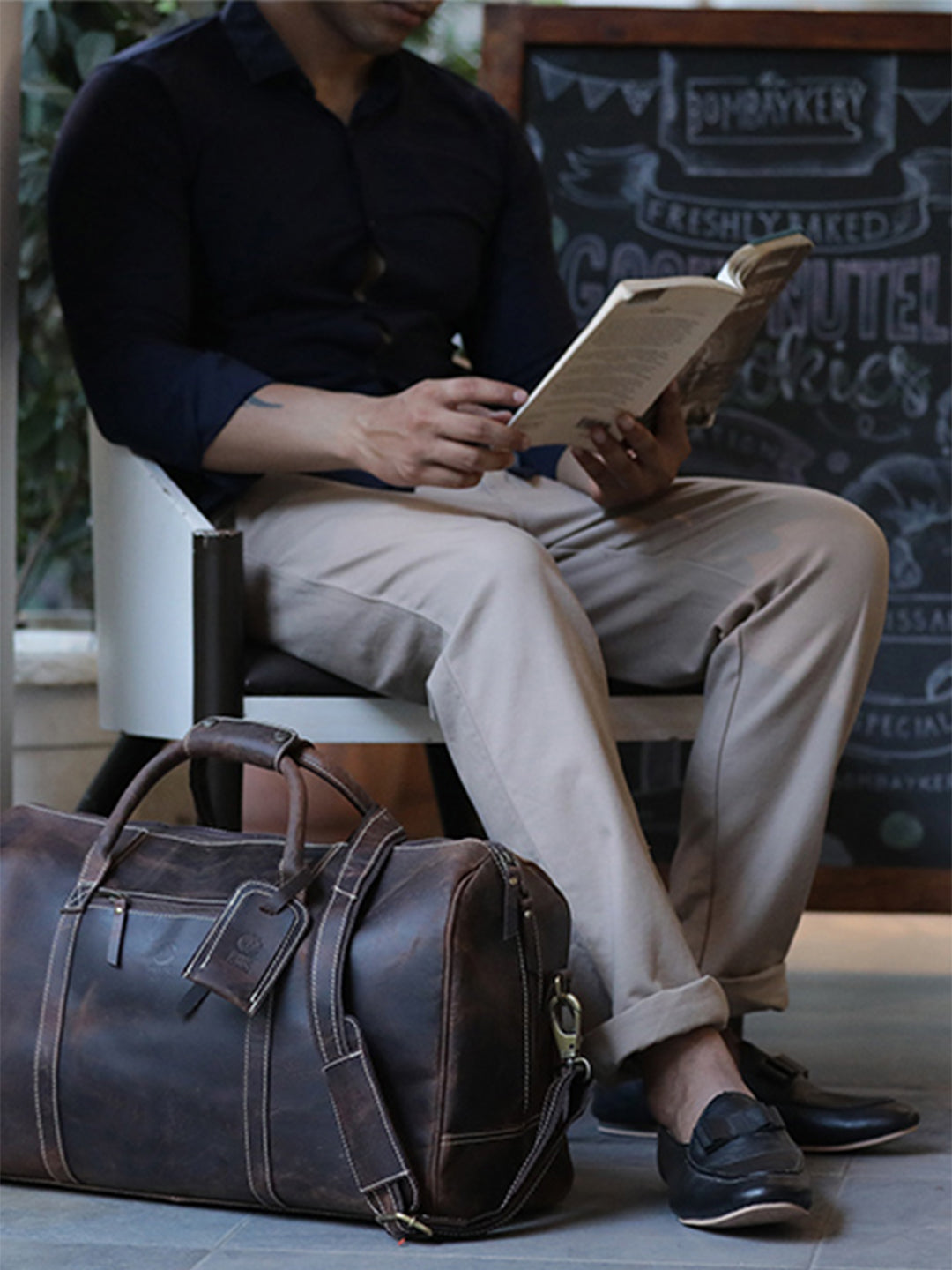
Vintage-Inspired Finishes: There's a growing appreciation for leather that looks lived-in from day one. These soft, vintage finishes speak to our collective nostalgia for simpler times and authentic craftsmanship.
Compact Luxury: The oversized bag trend is giving way to smaller, more practical pieces. Today's leather accessories prove that impact isn't about size, it's about character and quality.
Earth-Forward Color Palettes: The color story is shifting toward nature-inspired hues. Rich chocolates, warm tans, deep olives, and sophisticated charcoals are replacing the bright, synthetic colors that once dominated accessories.
The Sustainability Factor
Perhaps the most compelling aspect of the leather trend is its alignment with sustainable fashion principles. In an era where environmental consciousness shapes purchasing decisions, quality leather represents a stark contrast to disposable fashion. A well-made leather bag can last decades, potentially replacing dozens of cheaper alternatives over its lifetime.
This sustainability extends beyond longevity. Many consumers are seeking out small-batch, handmade leather goods as an antidote to mass production. These pieces often come with stories, of the artisans who crafted them, the traditional techniques employed, and the communities supported by their creation.
The Artisan Advantage
The leather trend has spotlighted something the fashion industry had nearly forgotten: the irreplaceable value of human craftsmanship. In a world increasingly dominated by automation, hand-crafted leather goods represent a return to authentic making.
Artisan workshops, particularly those preserving traditional techniques, are finding new relevance. These makers aren't just creating products, they're preserving cultural heritage and providing an alternative to the homogenization of global fashion.
The beauty of artisan-made leather goods lies in their imperfections. Each stitch tells a story, each variation in grain speaks to the natural origins of the material. These aren't flaws, they're features that mass production could never replicate.
Investment Dressing Redefined
The concept of "investment dressing" is evolving beyond expensive designer labels. Today's savvy consumers understand that true investment pieces are those that deliver value over time through durability, versatility, and timeless appeal.
Quality leather goods embody this new definition of investment dressing. They're pieces that grow more beautiful with use, adapt to changing styles, and maintain their relevance across seasons and trends. This represents a fundamental shift from fashion as consumption to fashion as curation.

The Future of Fashion is Circular
The leather renaissance reflects a broader movement toward circular fashion, a system where products are designed for longevity, repairability, and eventual renewal rather than disposal. Leather, with its ability to be restored, reconditioned, and even repurposed, fits perfectly into this circular model.
This trend suggests that the future of fashion isn't about producing more, but about producing better. It's about creating pieces that become part of someone's story rather than a forgotten purchase.
Beyond the Trend: A Cultural Shift
What we're witnessing isn't just a fashion trend, it's a cultural shift toward mindful consumption. The leather renaissance represents consumers taking control of their wardrobes, choosing quality over quantity, and supporting craftsmanship over convenience.
This movement challenges the very foundations of fast fashion: the need for constant novelty, the acceptance of poor quality, and the disconnect between maker and consumer. In its place, we're seeing the emergence of a more thoughtful approach to style, one that values authenticity, durability, and ethical production.
The Timeless Appeal
Perhaps the most significant aspect of the current leather trend is its relationship with time itself. While fast fashion thrives on obsolescence, quality leather goods are designed to transcend temporal boundaries. They're equally at home in today's minimalist aesthetic and tomorrow's yet-to-be-defined style landscape.
This timelessness isn't accidental, it's the result of centuries of refinement in both material and technique. Leather goods that look fresh today often employ methods and styles that have remained essentially unchanged for generations. This continuity provides a sense of stability in an increasingly volatile world.
Conclusion: The Smart Choice
As fashion continues to grapple with its environmental and social impact, the leather renaissance offers a path forward. It demonstrates that consumers are ready to embrace quality over quantity, story over status, and permanence over disposability.
The smart money in fashion isn't on the next viral trend, it's on timeless pieces that will remain relevant long after the social media buzz dies down. In a world moving at breakneck speed, perhaps the smartest move is to invest in something built to last.
The leather renaissance isn't just changing what we buy, it's changing how we think about fashion itself. And that might be the most stylish trend of all.

