



The Anatomy of a Perfect Messenger Bag: Features That Actually Matter
The closure mechanism fundamentally affects how you interact with your messenger bag dozens of times daily. The right closure balances security, weather protection, and quick access based on your specific usage patterns.
Buckle Closures: Traditional and Secure
Classic messenger bags feature metal buckles securing leather or fabric straps across the flap. This traditional system offers distinct advantages and limitations worth understanding.
How buckle closures work: A metal frame buckle accepts a leather or fabric strap punched with holes at regular intervals. The buckle tongue (prong) inserts through the hole, securing the flap. Adjusting closure tightness requires moving the strap to different holes. Double buckle designs use two smaller buckles instead of one large buckle, distributing tension more evenly.
Advantages of buckle closures: Buckles provide highly secure closure unlikely to open accidentally. The mechanical system requires deliberate action to release, preventing inadvertent bag opening in crowded environments. Buckles also accommodate varying bag fullness—when carrying more items, use a looser hole; with minimal contents, tighten the strap. Quality brass or stainless steel buckles from makers like Rustic Town develop attractive patina over time while maintaining full functionality for decades. The tactile satisfaction of buckling and unbuckling appeals to people who appreciate mechanical simplicity and traditional craftsmanship.
Disadvantages of buckle closures: Opening buckled bags requires two hands and takes longer than magnetic or zipper closures. This inconvenience compounds when you need frequent access—commuters grabbing transit cards constantly, or people retrieving phones repeatedly, may find buckles frustrating. Buckle adjustment also takes trial and error to find the right tightness, and over time, leather straps stretch requiring readjustment. Metal buckles can scratch surfaces if you're not careful when setting bags down. In winter with gloves, buckle manipulation becomes particularly awkward.
Best for: People prioritizing security over convenience, traditional aesthetic preferences, bags used primarily at start/end of day rather than constant access throughout, environments where accidental opening would be problematic.

Magnetic Closures: Modern Convenience
Magnetic closure systems use strong neodymium magnets embedded in the flap and bag front, holding the closure securely until deliberately opened.
How magnetic closures work: Rare earth magnets positioned in the flap edge align with metal plates or opposing magnets in the bag body. When brought together, magnetic attraction holds the flap closed. Opening requires sufficient pull force to overcome magnetic hold—easy for intentional opening but strong enough to prevent accidental release.
Advantages of magnetic closures: Speed and convenience dominate magnetic closure benefits. One-handed opening becomes effortless—lift the flap and magnetic force releases cleanly. No fumbling with buckles, no fine motor control required. Closing is equally simple—position the flap near the closure point and magnets snap together satisfyingly. This convenience dramatically improves user experience for people accessing bags frequently throughout the day. Magnetic closures also operate silently, unlike zippers or rattling buckles, making them appropriate for quiet environments like meetings or libraries. The closure adjusts automatically to bag fullness—magnets hold regardless of how much you've packed.
Disadvantages of magnetic closures: Strong magnets can potentially affect electronic devices, particularly older hard drives or magnetic stripe cards, though modern devices generally handle magnetic fields without issue. The magnetic hold, while strong enough for normal use, might release under extreme stress or impacts that buckles would resist. Magnetic closures also lack the weather sealing that overlapping flaps with buckles provide—the gap between flap and body allows rain entry more easily. Some people find the sudden magnetic snap closure psychologically less secure than visible buckle engagement, even if objectively comparable. Quality variance matters enormously—weak magnets frustrate users, while poorly positioned magnets create alignment issues.
Best for: Urban commuters needing frequent bag access, people wanting one-handed operation, modern aesthetic preferences, users who find buckles inconvenient or difficult to manipulate, situations requiring silent operation.

Zipper Closures: Maximum Security
Zipper-closed messenger bags trade traditional flap aesthetics for weather protection and security approaching that of fully enclosed bags.
How zipper closures work: Messenger bags may feature zippers closing the entire top opening (like a tote bag with zipper), or hybrid designs combining flaps with hidden zipper access beneath. The zipper mechanism interlocks teeth along two fabric edges, creating sealed closure when the zipper pull traverses the length.
Advantages of zipper closures: Zippers provide the most complete weather protection among closure types. When properly closed, they create virtually waterproof seal protecting contents from rain. This matters enormously for electronics protection during commutes in unpredictable weather. Zippers also offer maximum security against theft—closed zippers are far more difficult to access surreptitiously than flaps or magnets. For travel or crowded transit where pickpocketing concerns exist, zipper closures provide peace of mind. Some people also prefer the cleaner aesthetic of zippered bags without prominent flaps.
Disadvantages of zipper closures: Zipper operation requires two hands for most users—one stabilizing the bag, one operating the zipper pull. This inconvenience increases when standing on crowded transit or juggling multiple items. Zippers also represent a mechanical failure point—when zippers break, bags become essentially unusable until professionally repaired. Stuck or catching zippers cause daily frustration. Quality matters enormously here, as cheap zippers fail rapidly while quality YKK zippers last years. Zipper closures also eliminate quick-grab access to main compartments—you must fully unzip rather than simply lifting a flap for frequently needed items.
Best for: Rainy climate commuters prioritizing weather protection, security-conscious users concerned about theft, people carrying valuable electronics requiring maximum protection, travel bags where complete closure matters, users who don't need frequent access throughout the day.

Hybrid Closure Systems
Many quality messenger bags combine closure types for optimized functionality. Common combinations include flap-over-zipper designs where a decorative flap covers a zippered opening underneath, or magnetic flaps with backup snap buttons for added security. These hybrids attempt to balance the competing demands of quick access, security, and weather protection.
The most effective hybrid systems allow users to choose security levels based on situation—magnetic convenience for normal use, engaging additional closures for high-security or weather situations. Look for hybrid designs where both systems function smoothly without interfering with each other.
Strap Design and Comfort Features
The strap determines carrying comfort more than any other single feature. A bag with perfect organization and beautiful leather means nothing if the strap causes shoulder pain after twenty minutes.
Strap Width and Padding
Strap width directly affects weight distribution and comfort. Physics dictates that wider straps distribute weight across larger shoulder areas, reducing pressure points and discomfort.
Narrow straps (1-1.5 inches): Minimal straps suit lightweight bags or occasional use but dig uncomfortably into shoulders when bags carry substantial weight. Even moderate laptop and daily essentials weight becomes uncomfortable with narrow straps during commutes exceeding fifteen minutes. Narrow straps work acceptably for slim messenger bags carrying tablets and minimal contents.
Medium straps (2-2.5 inches): This width range balances comfort with aesthetics for most users and situations. Two-inch straps distribute weight adequately for daily commutes with standard laptop and essentials loads. They don't appear overly bulky while providing sufficient surface area preventing shoulder cutting. Most quality messenger bags use straps in this range as optimal compromise.
Wide straps (3+ inches): Extra-wide straps maximize comfort for heavy loads or extended carrying. They suit large messenger bags, people with shoulder sensitivity, or anyone carrying substantial weight regularly. However, wide straps can appear bulky and may feel excessive for lighter bags. They also take more adjustment to find comfortable positioning.
Padding considerations: Strap padding using foam, gel, or air pockets dramatically improves comfort, particularly at the shoulder contact point. Look for padding at least 0.5 inches thick covering the top 12-18 inches of strap—the section resting on your shoulder. Padding should be firm enough to distribute weight without compressing completely, yet flexible enough to conform to shoulder contours. Quality padding maintains resilience over years rather than flattening permanently within months.
Strap Adjustment Mechanisms
Quickly adjusting strap length matters more than many buyers realize. Your optimal carrying position varies with outfit thickness, posture, and bag contents.
Sliding buckles: Simple metal buckles allowing strap length adjustment by sliding along the strap. Quality versions hold firmly without slipping under load. Cheaper versions gradually slip during wear, requiring constant readjustment. Test sliding buckles by pulling hard—they shouldn't slide at all when properly engaged.
Metal hardware adjusters: Cast or forged metal pieces creating friction against strap webbing. Superior to sliding buckles for maintaining adjustment under varying loads. Look for smooth operation without rough edges catching on clothing.
Quick-release systems: Modern designs incorporating rapid adjustment mechanisms for easy strap length changes. These suit users alternating between tight cross-body carry and loose shoulder carry. Ensure quick-release mechanisms lock securely—convenience means nothing if the strap unexpectedly lengthens.
Strap Attachment Points and Hardware
Where and how straps attach to the bag affects durability, comfort, and functionality critically.
Attachment location: Straps typically attach to bag sides approximately one-third down from the top. This positioning balances stability with comfortable bag hang. Attachments too high cause bags to swing excessively; too low creates bottom-heavy carry affecting balance. Quality bags feature reinforced attachment areas with multiple stitching passes and rivets or metal reinforcement preventing tear-out under stress.
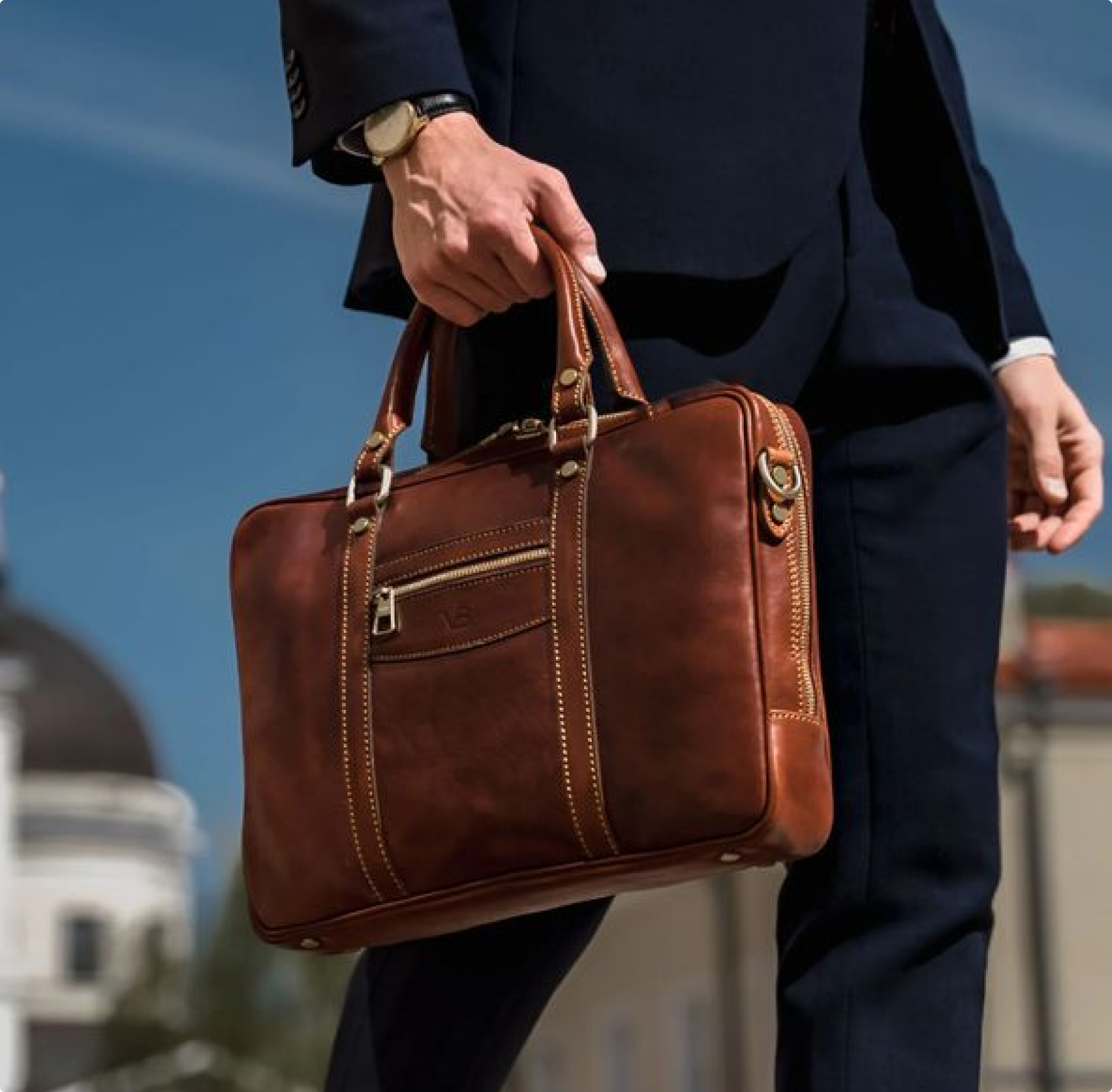
Hardware quality: The metal rings, D-rings, or clips connecting straps to bags experience constant stress with every step you take. Look for solid brass, stainless steel, or heavy-duty zinc alloy hardware rather than plated pot metal that corrodes and weakens. Hardware should have smooth edges without sharp points catching on clothing. Welded or forged hardware dramatically outlasts cheaper cast pieces prone to cracking.
Removable vs. fixed straps: Some messenger bags feature removable straps allowing replacement if worn or damaged, or substitution of different strap styles. This flexibility extends bag life and enables customization. However, removable systems introduce additional failure points. If choosing removable straps, ensure attachment hardware is substantial and secure.
Strap Material Considerations
Leather straps: Authentic to traditional messenger bags, leather straps develop attractive patina and feel premium. However, leather stretches over time requiring periodic readjustment, and can become slippery on shoulders with certain clothing. Quality leather straps from makers like Rustic Town include fabric backing or gripping texture preventing slippage. Leather also requires occasional conditioning to prevent drying and cracking.
Nylon webbing: Synthetic webbing doesn't stretch, requires zero maintenance, and weighs less than leather. However, it lacks leather's aesthetic appeal and tactile satisfaction. For bags carried daily in varying weather, nylon webbing's practical advantages may outweigh aesthetic preferences.
Blended approaches: Some bags feature leather straps with nylon webbing cores, combining leather aesthetics with nylon stability. Others use leather where visible with nylon underside for grip and durability.

Interior Organization and Compartment Design
How a messenger bag organizes contents determines whether you can find items quickly or spend frustrated minutes digging through chaos.
Main Compartment Configuration
The primary interior space should balance capacity with organization. Single large compartments offer maximum flexibility but minimal structure. Heavily divided interiors provide organization but reduce flexibility and add weight.
Optimal depth: Main compartments should be 4-6 inches deep—enough for standard items without excessive bulk. Deeper compartments encourage overpacking and create bulky silhouettes. Shallower compartments limit capacity too severely. Consider what you actually carry daily when evaluating depth.
Internal dividers: Strategic dividers separate items by category without excessive compartmentalization. Look for one or two main dividers creating 2-3 sections—perhaps one for laptop, one for documents, one for accessories. More divisions typically prove cumbersome rather than helpful.
Zippered pocket placement: Internal zippered pockets secure valuables like wallets, keys, or passports. Position matters—pockets against the back panel (nearest your body when worn) enhance security. Side pockets provide quick access but offer less theft protection. Look for pockets sized appropriately for intended contents—too large wastes space, too small proves useless.
Laptop and Tablet Protection
Dedicated technology compartments are essential for modern messenger bags serving as laptop bags.
Padding thickness: Laptop compartments need at least 0.5 inches of padding on all sides, preferably 0.75 inches for maximum protection. Insufficient padding provides false security—your laptop seems protected but won't survive significant impacts. Quality padding uses foam, fleece, or specialized impact-absorbing materials.
Suspended design: The best laptop compartments suspend the computer away from the bag bottom through elevated placement or bottom padding. This protects against the common scenario of setting your bag down hard—the laptop doesn't bottom out against the ground surface. Suspended designs may add slight cost but provide enormous protection value.
Size considerations: Laptop compartments should accommodate your computer size with approximately 0.5 inches clearance on all sides. Too tight risks scratching through friction; too loose allows excessive movement potentially damaging the computer. Standard sizes fit 13-15 inch laptops, but verify dimensions for larger or smaller devices.
Separate tablet sleeves: Many people carry both laptops and tablets. Quality messenger bags include separate padded tablet compartments preventing devices from scratching each other. Tablet sleeves need less padding than laptop compartments but should still provide cushioning.
Accessory Organization Features
Small items—chargers, cables, pens, business cards—create chaos without proper organization.
Pen loops: Simple elastic or leather loops securing pens vertically prevent them from scratching electronics or poking through pockets. Look for 2-4 pen loops accommodating various writing instruments.
Cable management: Dedicated cable pockets or loops keep chargers and earbuds from tangling. Some bags feature cable pass-through ports allowing charging while devices remain secured in bags. This convenience matters for people using devices during commutes.
Quick-access pockets: Small pockets near bag openings allow grabbing frequently needed items—phones, wallets, keys—without opening main compartments. These pockets should be sized precisely for intended items and positioned accessibly.
Business card holders: Built-in card slots help professionals keep business cards pristine and accessible. This small feature provides disproportionate utility for networking situations.
Exterior Pockets and Access Points
External pockets extend functionality beyond main compartments but require careful consideration—too many creates bulk and complication.
Front Pocket Utility
Front pockets on messenger bag flaps provide quick access without opening main closures. Ideal for items needed constantly—transit cards, phones, sunglasses, or snacks.
Ideal size: Front pockets should be 6-8 inches wide and 5-6 inches tall—large enough for standard items without excessive bulk. Deeper pockets risk items falling out when accessing; shallower pockets limit utility.
Closure types: Zippered front pockets secure contents best but require two-handed operation. Magnetic snap closures balance security with convenience. Open pockets (no closure) allow instant access but risk items falling out if bags shift.
Positioning: Front pockets should sit on the lower two-thirds of the flap, not near the top where they might interfere with the main closure or create awkward bulges.
Side Pockets for Water Bottles
Side pockets for water bottles or umbrellas add practical utility without interfering with main storage.
Design considerations: Look for elasticized pockets with enough stretch accommodating various bottle sizes while gripping securely. Mesh pockets allow drainage if bottles are wet. Side pockets should be positioned slightly toward the bag back rather than protruding forward where they catch on things.
Size balance: Pockets should fit standard 16-24oz water bottles. Oversized pockets look sloppy when empty; undersized ones prove useless for actual bottles.
Hidden Security Pockets
Some messenger bags incorporate hidden pockets against the back panel for securing valuables like passports or cash. These typically use zippers and position where they're inaccessible to others when worn.
Value assessment: Security pockets add utility for travelers or urban commuters concerned about theft. However, for typical office commuters, these pockets add complexity without substantial benefit. Consider your actual security needs honestly.
Hardware Quality and Longevity
Hardware quality dramatically affects messenger bag lifespan. Bags fail at hardware points far more often than through material degradation.
Zipper Quality and Brands
Not all zippers are created equal. Zipper quality makes the difference between bags lasting months and bags lasting decades.
YKK zippers: The YKK brand represents the industry standard for quality zippers. Their coil and metal tooth zippers provide smooth operation, resist jamming, and withstand thousands of cycles. When evaluating bags, YKK zippers indicate manufacturers prioritizing quality.
Metal vs. coil vs. plastic: Metal-tooth zippers offer maximum durability and professional appearance but cost more. Coil zippers (interlocking plastic coils) provide smooth operation and adequate durability at lower cost. Plastic-tooth zippers represent the cheapest option, prone to breaking under stress. For messenger bags receiving daily use, invest in metal or quality coil zippers.
Zipper pull design: Oversized zipper pulls enable gloved operation in winter. Pulls should attach securely without falling off—loose pulls frustrate users and eventually get lost. Leather zipper pulls add aesthetic appeal while providing good grip.
Buckle and Hardware Materials
Solid brass: Premium messenger bags use solid brass buckles and hardware developing rich patina over years. Brass withstands corrosion, maintains strength indefinitely, and looks increasingly beautiful with age. The weight slightly increases bag heft but the longevity justifies it.
Stainless steel: Modern alternative to brass, stainless steel resists corrosion while maintaining contemporary appearance. Lighter than brass with comparable strength. Works well for bags embracing modern rather than traditional aesthetic.
Zinc alloy: Mid-range option offering reasonable durability at moderate cost. Quality zinc alloy hardware lasts years with proper care. However, it can corrode over time and lacks the prestige of brass or stainless steel.
Plated hardware: Avoid hardware that's merely plated rather than solid material. Plating wears away revealing cheaper metal underneath. Plated brass looks like solid brass initially but corrodes ugly after the plating wears through.
Rivets and Reinforcement Points
Critical stress points—strap attachments, corner reinforcements, hardware mounting—require riveting or bar-tacking for longevity.
Copper or brass rivets: Metal rivets create permanent, exceptionally strong fastening that won't pull out under stress. Look for rivets at all major stress points. Visible rivets also add aesthetic appeal signaling quality construction.
Bar-tacking: Dense stitching in X or box patterns creates strong fastening points for straps and handles. Bar-tacks should use thick thread in multiple passes. Quality bar-tacking rivals rivets for strength.
Corner reinforcement: Bag corners experience concentrated wear. Look for leather or fabric reinforcement patches, metal corner guards, or additional stitching protecting these vulnerable areas.
Construction Quality Indicators
Beyond individual features, overall construction quality determines whether your messenger bag lasts months or decades.
Stitching Standards
Thread type, stitch density, and seam reinforcement separate quality construction from cheap manufacturing.
Thread quality: Polyester or nylon thread resists UV degradation and moisture better than cotton. Thread should be substantial—thicker threads create stronger seams. Color-matched thread looks refined; contrasting thread can add decorative appeal but makes imperfections more visible.
Stitch density: Measure stitches per inch—quality bags feature 6-8 stitches per inch minimum. Sparse stitching (4-5 per inch) weakens seams prone to failure. Dense stitching distributes stress across more thread reducing individual strain.
Double-stitching: All critical seams should be double or triple-stitched. This includes strap attachments, main seams, and stress areas. Double-stitching provides redundancy—if one stitch line fails, the second maintains integrity.
Seam finishing: Raw edges inside bags should be finished through binding, overlocking, or folding. Unfinished edges fray over time, looking sloppy and potentially failing structurally.
Material Joining Methods
How materials connect affects aesthetics and durability.
Welted seams: A strip of leather or fabric between two pieces being joined creates attractive finished edge and adds strength. Welted construction indicates attention to quality.
Overlapped vs. butted: Overlapping material edges before stitching creates stronger seams than butting edges together. Look for overlapped seams particularly at main structural connections.
Gluing vs. stitching: Quality bags may use adhesive in addition to stitching but never as replacement for stitching. Glue-only attachment points will fail; stitched seams last indefinitely.
Size and Proportions
Messenger bags range from minimal laptop sleeves to cargo-haulers. Choosing appropriate size affects both functionality and appearance.
Standard Size Ranges
Small (13-14 inches wide): Accommodates 13" laptops and minimal essentials. Suits minimalists or supplemental bags. Provides streamlined appearance but limited capacity for documents or extra items.
Medium (15-16 inches wide): Most versatile size accommodating 15" laptops, documents, and daily essentials without bulk. Works for most professionals' daily needs.
Large (17+ inches wide): Fits large laptops, substantial documents, or extra items. Risk appearing oversized relative to body frame. Consider whether you genuinely need this capacity or if it encourages overpacking.
Proportion to Body Frame
Choose bag size proportional to your body. Petite individuals look overwhelmed by large messenger bags; larger individuals can carry bigger bags comfortably. The bag shouldn't extend beyond your body width when worn.
Conclusion: Making Informed Choices
Understanding messenger bag features transforms shopping from overwhelming to empowering. Rather than relying on brand names or price tags alone, you can now evaluate specific construction elements determining quality and longevity.
Prioritize features matching your actual usage patterns. Daily bicycle commuters need weatherproof closures and comfortable straps more than organizational pockets. Office professionals prioritize laptop protection and professional appearance over weather resistance. Students value capacity and durability over premium materials.
Quality construction - proper stitching, substantial hardware, thoughtful organization - matters more than expensive materials. A well-constructed canvas bag often outperforms a poorly made leather bag at twice the price.
When evaluating messenger bags, systematically assess each feature category discussed here. Test closures for smooth operation, examine stitching for density and reinforcement, verify hardware quality through material and weight, try on with realistic loads assessing strap comfort. Quality messenger bags from makers like Rustic Town demonstrate excellence across all categories - no single spectacular feature compensating for deficiencies elsewhere.
The perfect messenger bag features combine into a cohesive whole serving your specific needs reliably for years. By understanding what actually matters beyond surface aesthetics, you invest wisely in bags that become trusted daily companions rather than expensive disappointments. Your messenger bag should feel like a natural extension of your daily routine—functional without thought, comfortable without adjustment, reliable without concern. When you find a bag demonstrating the construction quality and thoughtful features outlined here, you've found a messenger bag truly worth owning.