


PU, PVC or Real Leather – The Key Differences Smart Consumers Look For
Here's an uncomfortable truth the fashion industry doesn't want you to think about too deeply.
That sleek "vegan leather" bag you bought because it felt like the responsible choice? It might be sitting in a landfill three centuries from now - long after your great-great-grandchildren have come and gone. The irony is almost poetic: a product marketed as the compassionate choice becomes one of the most enduring pollutants on the planet.
If we're serious about sustainability, we need to stop letting marketing buzzwords do our thinking for us. The word "vegan" conjures images of earth-friendly choices, cruelty-free living, and conscious consumption. But when it comes to leather alternatives, the reality is far more complex - and often far less green than the branding suggests.
The marketplace today is flooded with products labeled "leather," but from a chemical composition and durability standpoint, these materials couldn't be more different. Before you make your next purchasing decision - whether for yourself or for your business - you need to understand the three distinct tiers of material currently dominating the market. This knowledge isn't just academic; it's the difference between supporting genuine sustainability and inadvertently funding plastic pollution.

PVC Leather: The Environmental Offender
Polyvinyl Chloride, commonly known as PVC, is often the cheapest option on the shelf. And there's a reason for that rock-bottom price tag - it cuts corners that cost the planet dearly.
At its core, PVC leather is essentially a layer of chlorinated plastic bonded to a fabric backing. The manufacturing process is intensive, requiring toxic chemicals that don't simply disappear once the product is made. These chemicals can off-gas during the product's lifetime, and the material itself is known to shed microplastics with every use - tiny particles that eventually find their way into our waterways, our soil, and our food chain.
Environmental scientists have documented PVC microplastics in ocean sediments, freshwater systems, and even arctic ice. Every PVC product contributes to this growing crisis, fragmenting into particles too small to see but persistent enough to enter biological systems at every level.
The Reality: PVC production involves phthalates and other plasticizers that have been linked to health concerns ranging from endocrine disruption to respiratory issues. The environmental footprint begins at the factory and continues throughout the product's entire lifecycle. Workers in PVC manufacturing facilities face documented exposure risks, and communities near production plants have raised legitimate health concerns for decades.
The Lifespan: PVC cracks. It peels. It shows wear within months, not years. The material becomes brittle with exposure to sunlight and temperature fluctuations - the exact conditions any bag, jacket, or accessory will inevitably encounter. And here's the critical part—it cannot biodegrade. Not in your lifetime. Not in your children's lifetime. Not ever, in any meaningful human timeframe.
The Legacy: A PVC bag purchased today will sit in a landfill for centuries, slowly fragmenting into smaller and smaller plastic particles but never truly breaking down. It represents disposable fashion at its absolute worst - a product designed for momentary satisfaction with permanent environmental consequences. The math is brutal: a few months of use, followed by five hundred years of pollution.
PU Leather: The "Greenwashed" Plastic
Polyurethane leather, or PU, is where the marketing gets clever. This is the material frequently positioned as the "ethical" or "modern" alternative to genuine leather. The branding is sophisticated. The messaging is appealing. And the reality is deeply misleading.
Make no mistake - PU is still a petroleum-based plastic. Yes, it's somewhat less toxic to manufacture than PVC. Yes, it can achieve a remarkably convincing leather-like appearance. But these marginal improvements don't change its fundamental nature or its ultimate destination. You're still buying plastic. You're still contributing to petroleum extraction. You're still creating waste that won't decompose.
The Reality: PU leather mimics the look of genuine leather with impressive accuracy, at least initially. But it lacks the structural integrity that makes real leather a lasting investment. The surface coating that gives PU its leather-like appearance is bonded to a fabric base, and that bond has an expiration date. No amount of care or conditioning will extend it significantly.
The Lifespan: PU has a notoriously short shelf life. Within a few years - sometimes even months with heavy use - it begins to delaminate. Those flaking surfaces you've seen on old "leather" car seats or worn handbags? That's PU revealing its true nature. Once it starts, there's no going back. It tears easily and cannot be meaningfully repaired. A cobbler can restore genuine leather; they can only apologize about PU.
The Legacy: Like its PVC cousin, PU ends up as plastic waste. The slightly cleaner manufacturing process doesn't change the endpoint. It's a short-term product with long-term consequences - the definition of unsustainable consumption dressed up in sustainable language. Perhaps most troublingly, PU's "ethical" marketing actively misleads consumers who genuinely want to make better choices.

Real Leather: The Regenerative Choice
Now let's talk about what leather actually is - not what marketing departments want you to think it is, but what it fundamentally represents in the broader context of material science and environmental impact.
Real leather is fundamentally different from synthetic alternatives because it is grown, not manufactured. It emerges from biological processes, not chemical ones. And this distinction matters enormously when we're talking about genuine sustainability and circular economy principles.
The Reality: Leather hides are a byproduct of the meat and dairy industry. This is a crucial point that often gets lost in the conversation. These animals are not raised for their skins - the hides would exist regardless of whether anyone processes them into leather goods. By transforming them into durable products, the leather industry prevents millions of tons of biological waste from entering landfills every single year. It's upcycling at an industrial scale, converting what would otherwise be waste into products that serve people for decades.
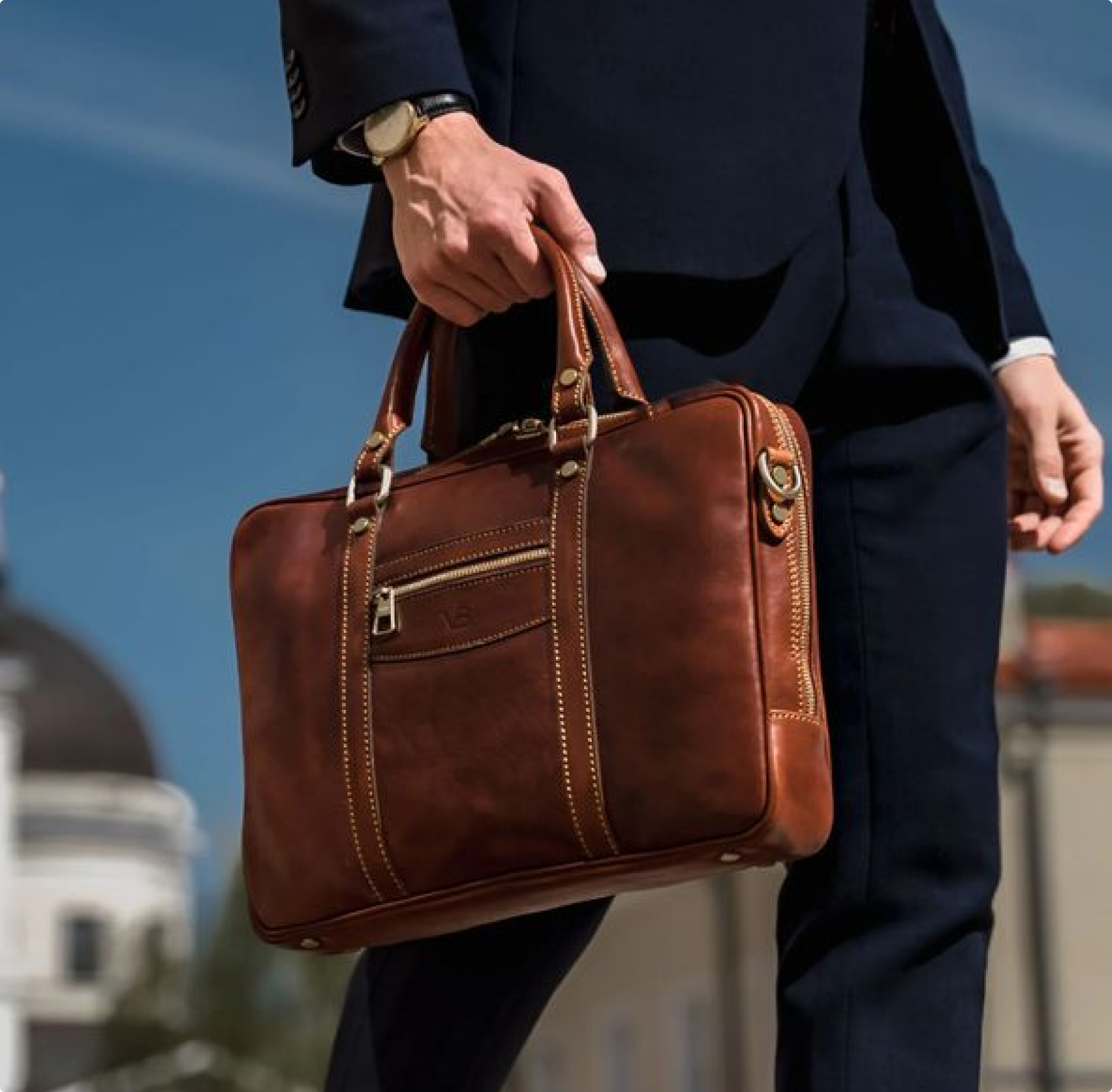
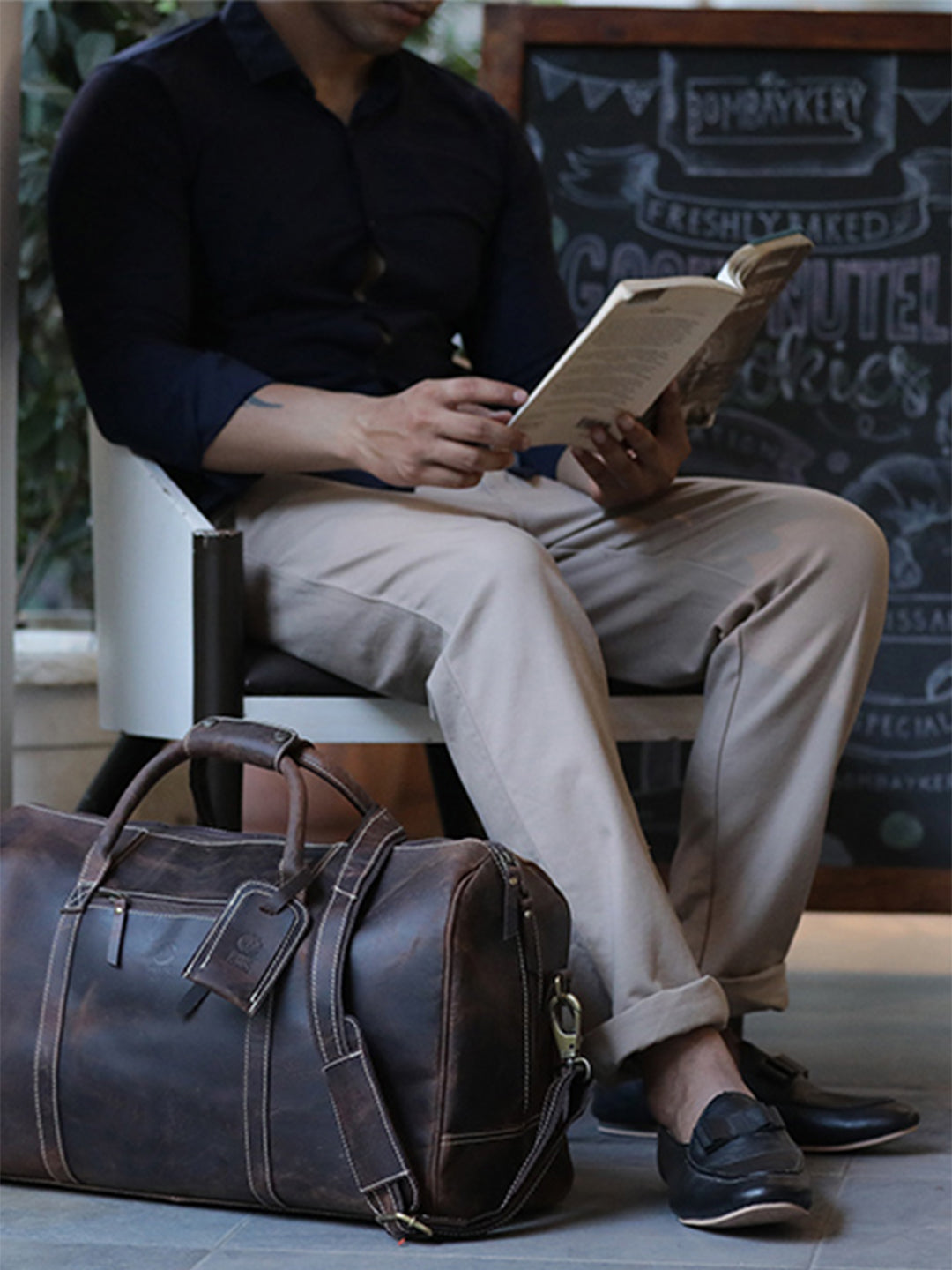
The Lifespan: Genuine leather is remarkably durable. It can be cleaned. It can be conditioned. It can be repaired. Skilled craftsmen can restore leather goods that have seen decades of daily use. Unlike synthetic alternatives that crack and peel, leather develops a patina -a beautiful surface character that improves with age. A well-maintained leather product doesn't just survive decades of use; it becomes more distinctive and more valuable over time. This is why vintage leather goods command premium prices while vintage plastic goods end up in landfills.
The Legacy: When genuine leather finally reaches the end of its very long life, it biodegrades. It returns to the earth naturally. It doesn't fragment into microplastics or leach chemicals into groundwater. It completes a natural cycle rather than creating a permanent problem. This is what real sustainability looks like materials that work within natural systems rather than against them.
The Mathematics of Sustainable Consumption
Strip away the marketing language and the emotional appeals, and what remains is simple arithmetic.
Running through five synthetic bags in ten years creates five pieces of plastic waste that will outlive everyone reading this article. Purchasing one quality leather bag that serves you for thirty years creates one eventual piece of biodegradable material and three decades of reliable function.
The equation becomes even clearer when you factor in the hidden costs: the petroleum extracted to make those five plastic bags, the energy consumed in their manufacture, the transportation required to replace them repeatedly, the space they'll occupy in landfills indefinitely. Each replacement cycle carries its own carbon footprint, its own resource consumption, its own contribution to the waste stream.
Consider this: a single quality leather bag represents one purchase decision, one manufacturing process, one transportation journey. Five cheap synthetic replacements multiply each of those impacts by five - minimum. When you factor in the disposal problem, synthetic alternatives aren't just worse for the environment; they're dramatically, measurably worse.
The Bottom Line
Let's make this distinction absolutely clear:
PU & PVC = Plastic. Petroleum-based. Disposable by design. Permanent in consequence. No amount of "vegan" or "eco" branding changes the underlying chemistry.
Real Leather = Natural. Byproduct utilization. Repairable. Biodegradable. A material that has served humanity for millennia because it genuinely works.
True sustainability isn't just about where a material comes from - it's about how long a product stays in use and out of the ground. It's about buying less but buying better. It's about making choices that align with the world we want to leave behind, not just the image we want to project today.
Choose Materials That Work With the Planet
The next time you're considering a "vegan leather" purchase, ask yourself what you're actually buying. Is it a genuinely sustainable alternative, or is it fast fashion hiding behind a feel-good label? Is it a product designed to last, or one designed to be replaced?
Invest in what lasts. Choose materials that work with the planet's natural systems, not against them. Make purchasing decisions that your future self - and the future itself - will thank you for.
Because real sustainability isn't about avoiding guilt. It's about creating genuine, lasting value - for yourself, for the planet, and for the generations who will inherit the consequences of today's choices.