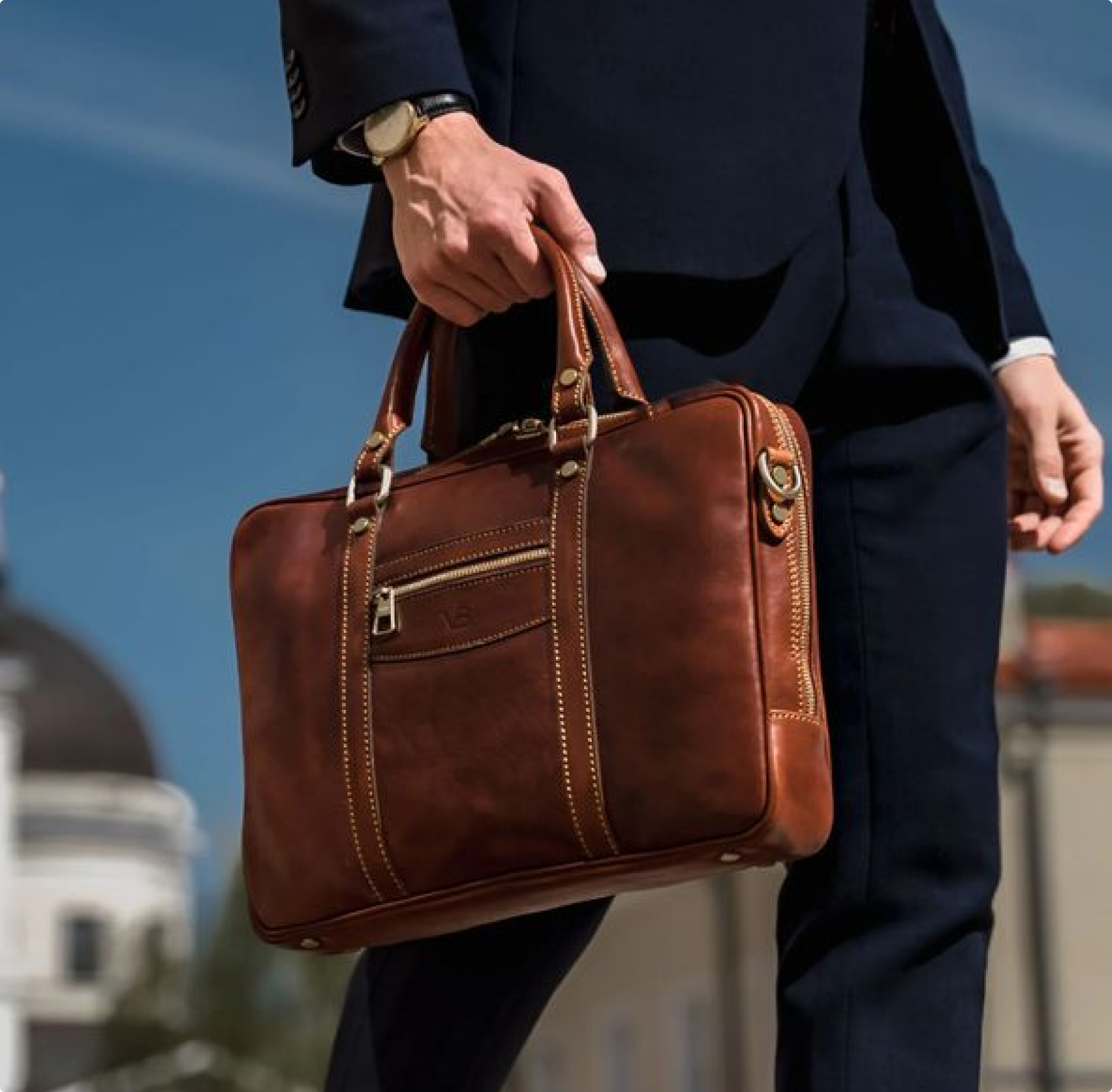
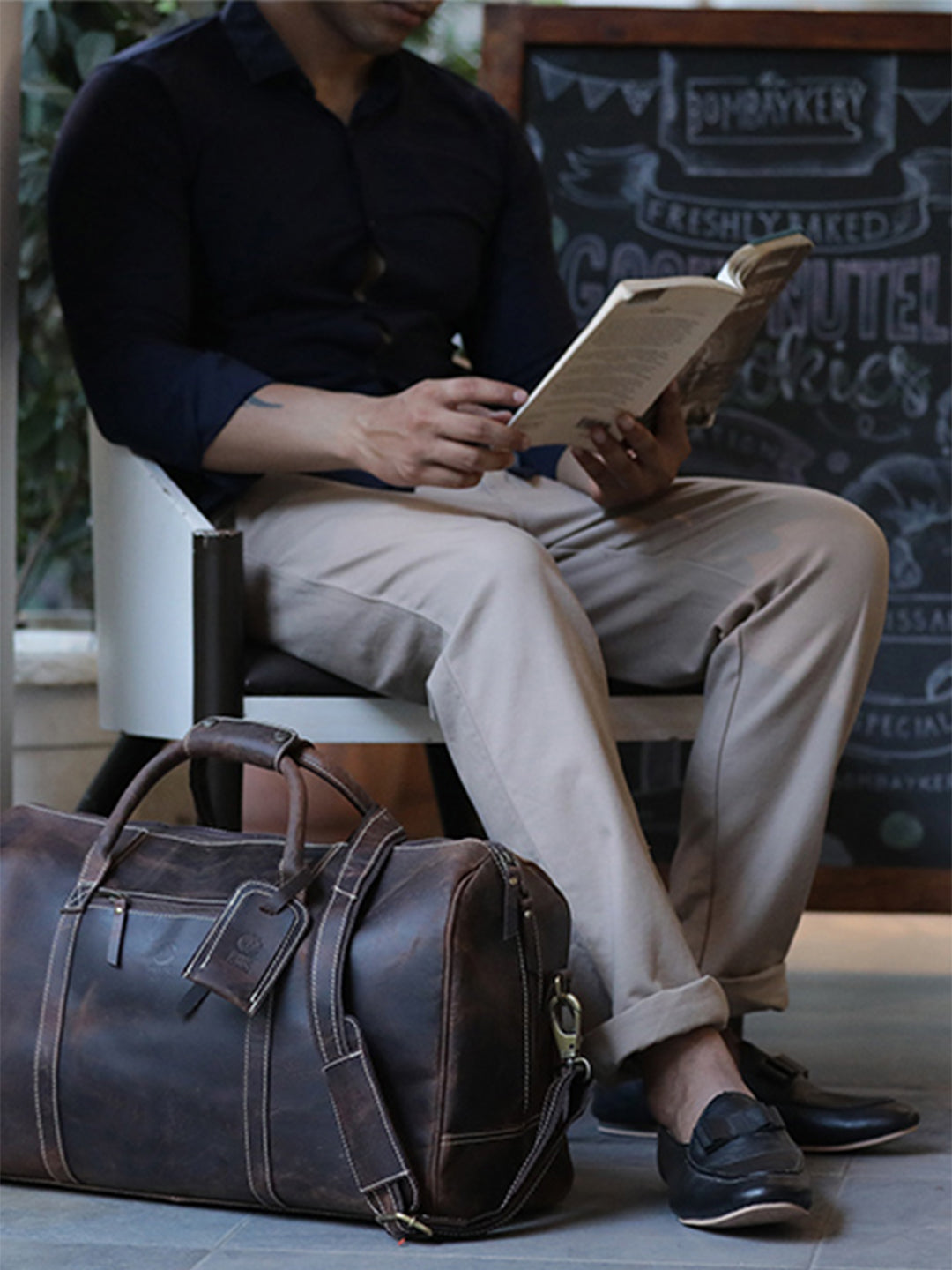
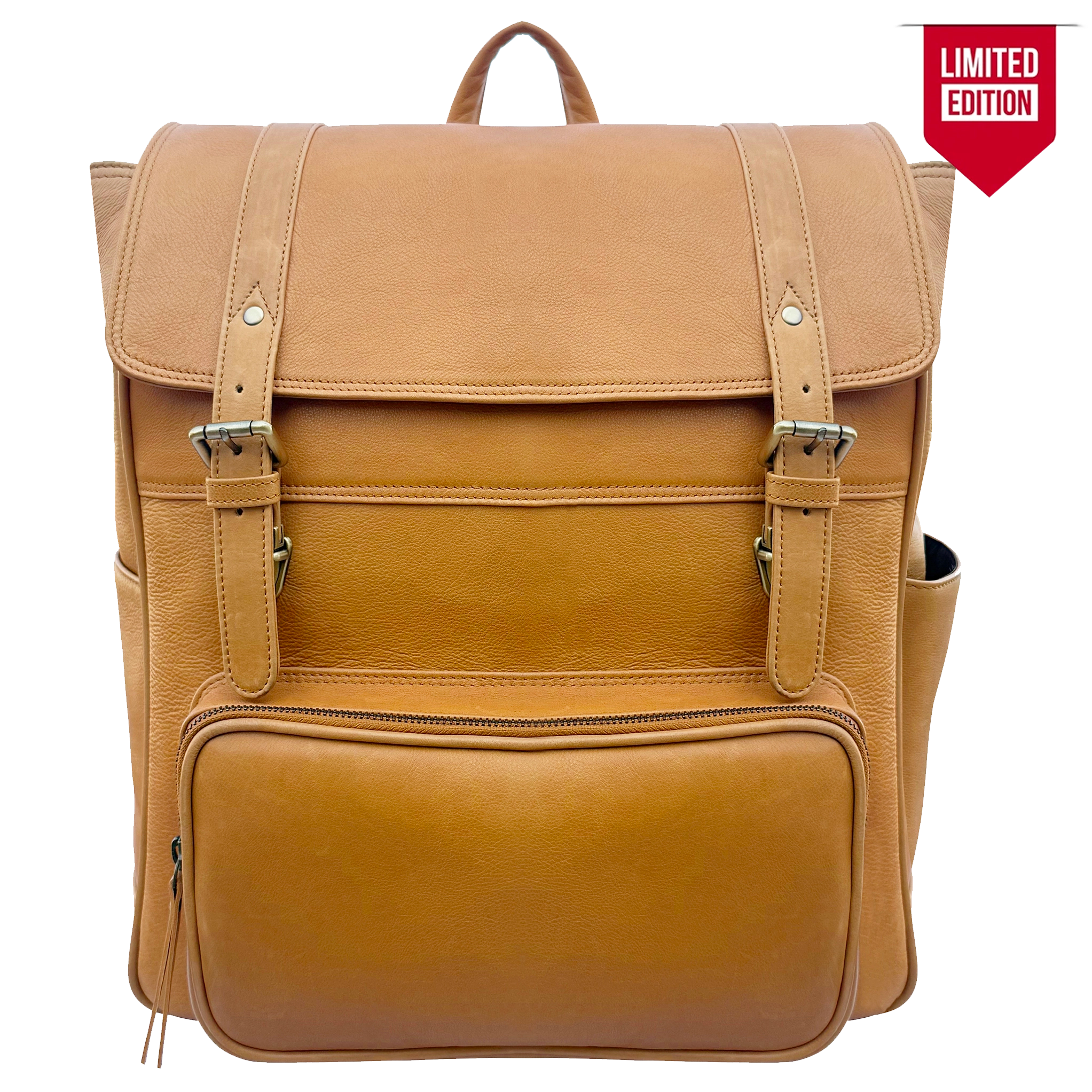
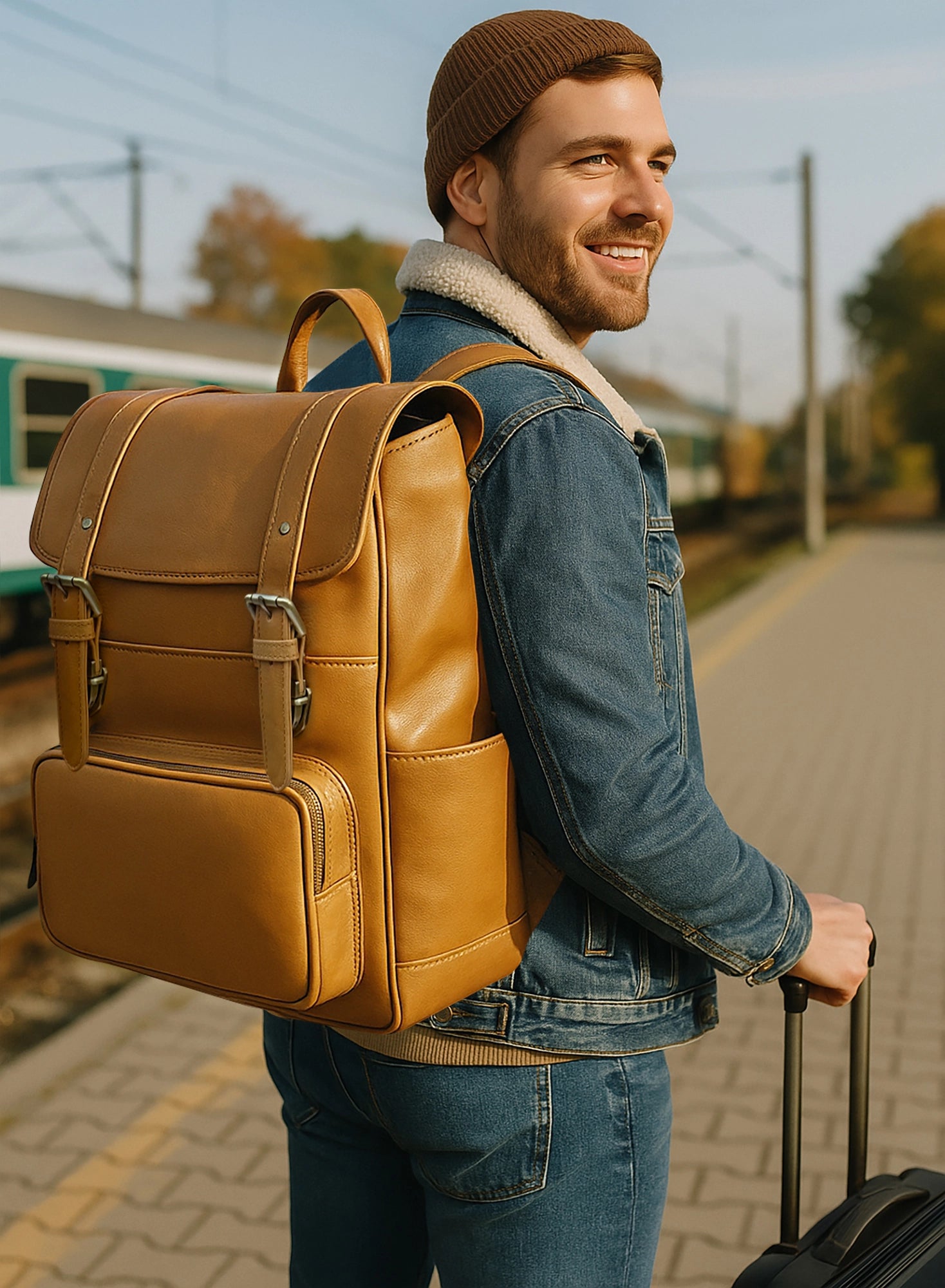
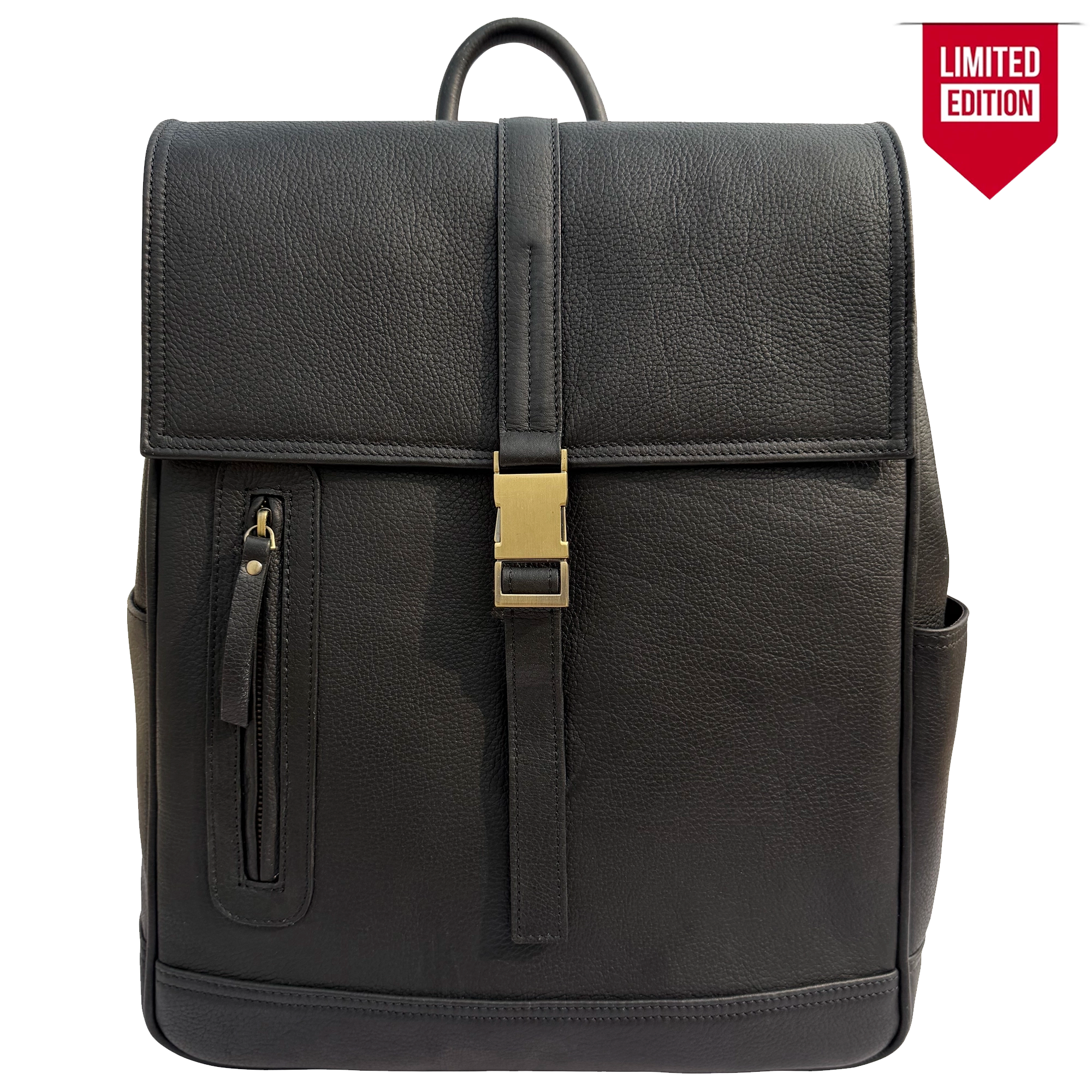
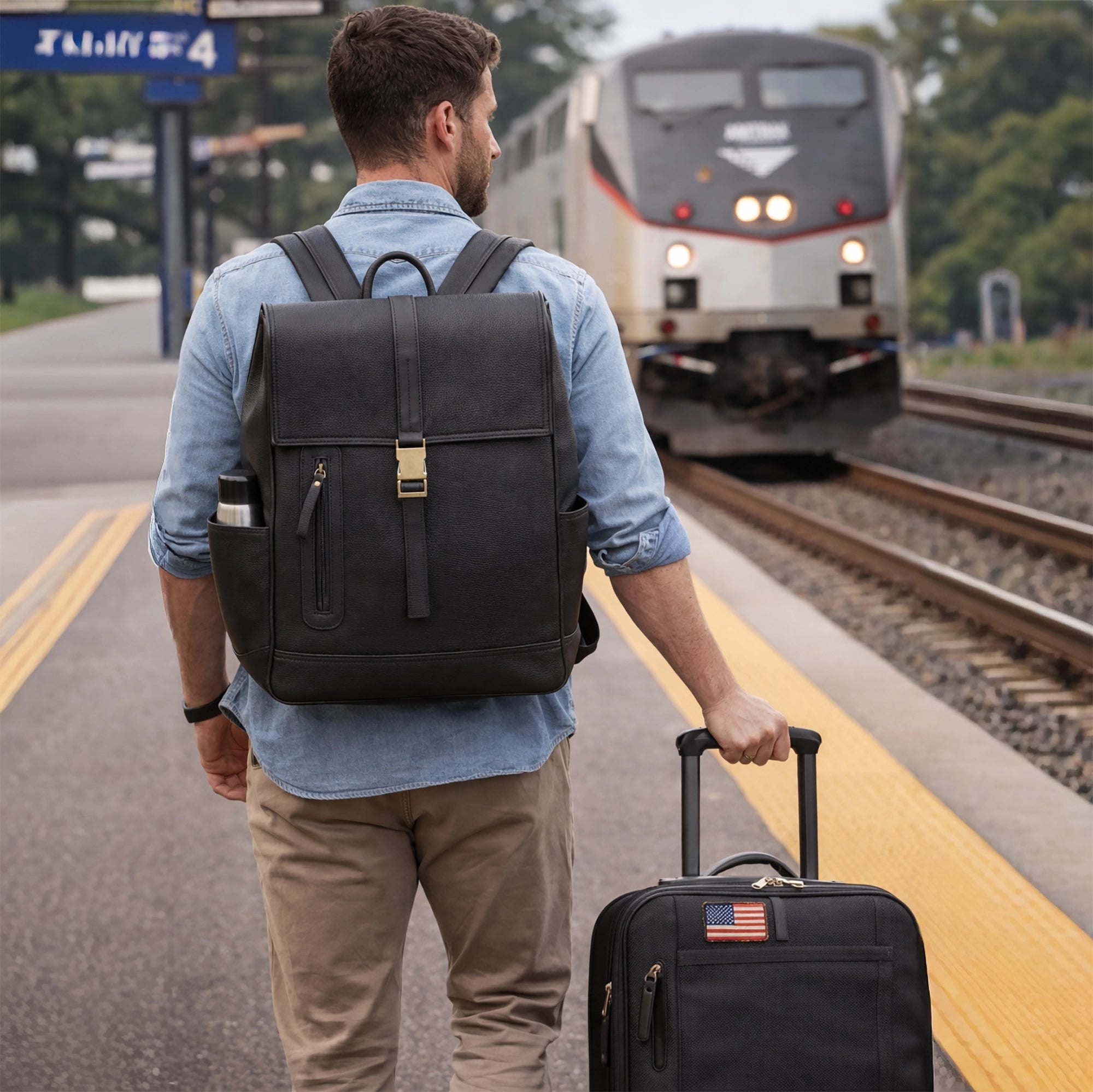
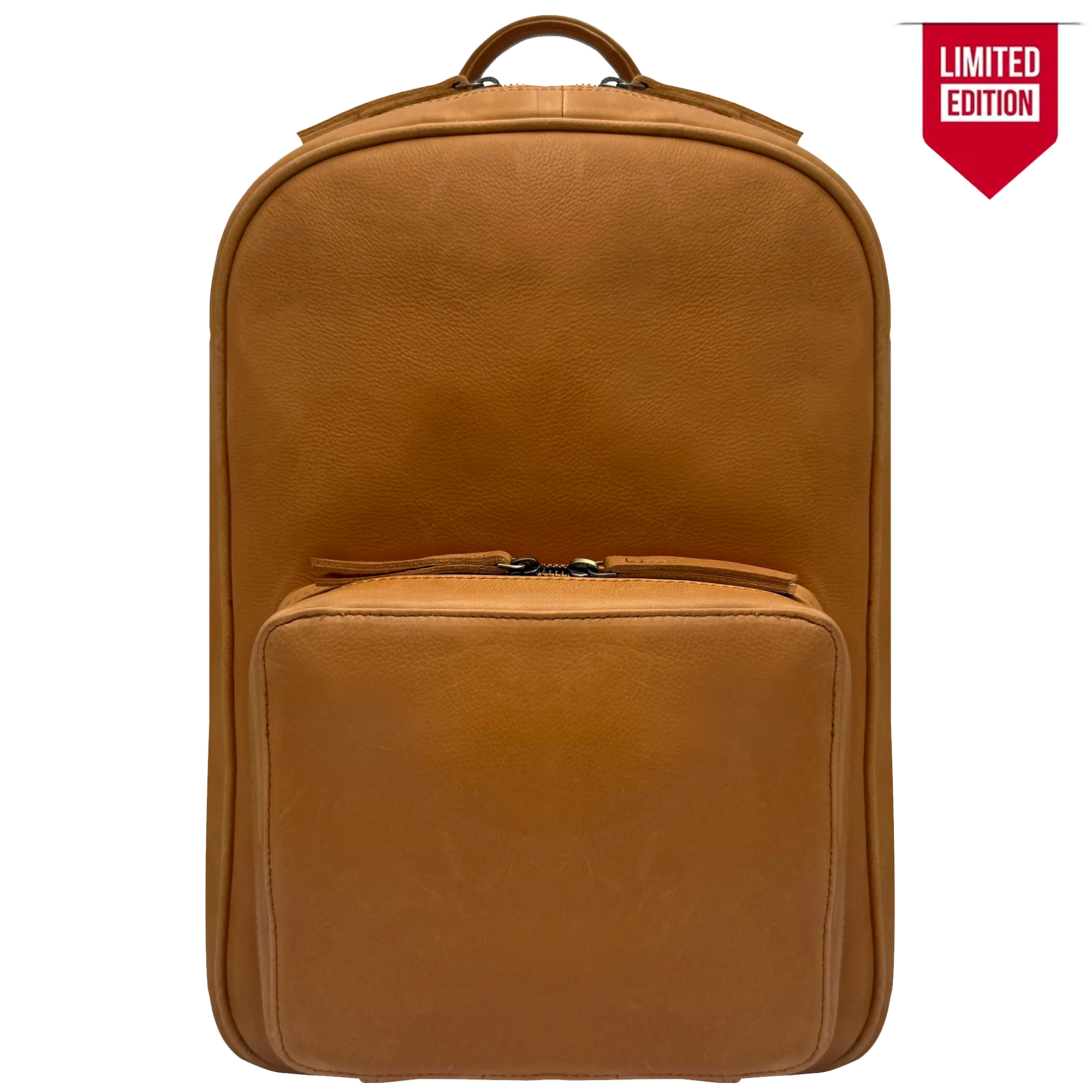
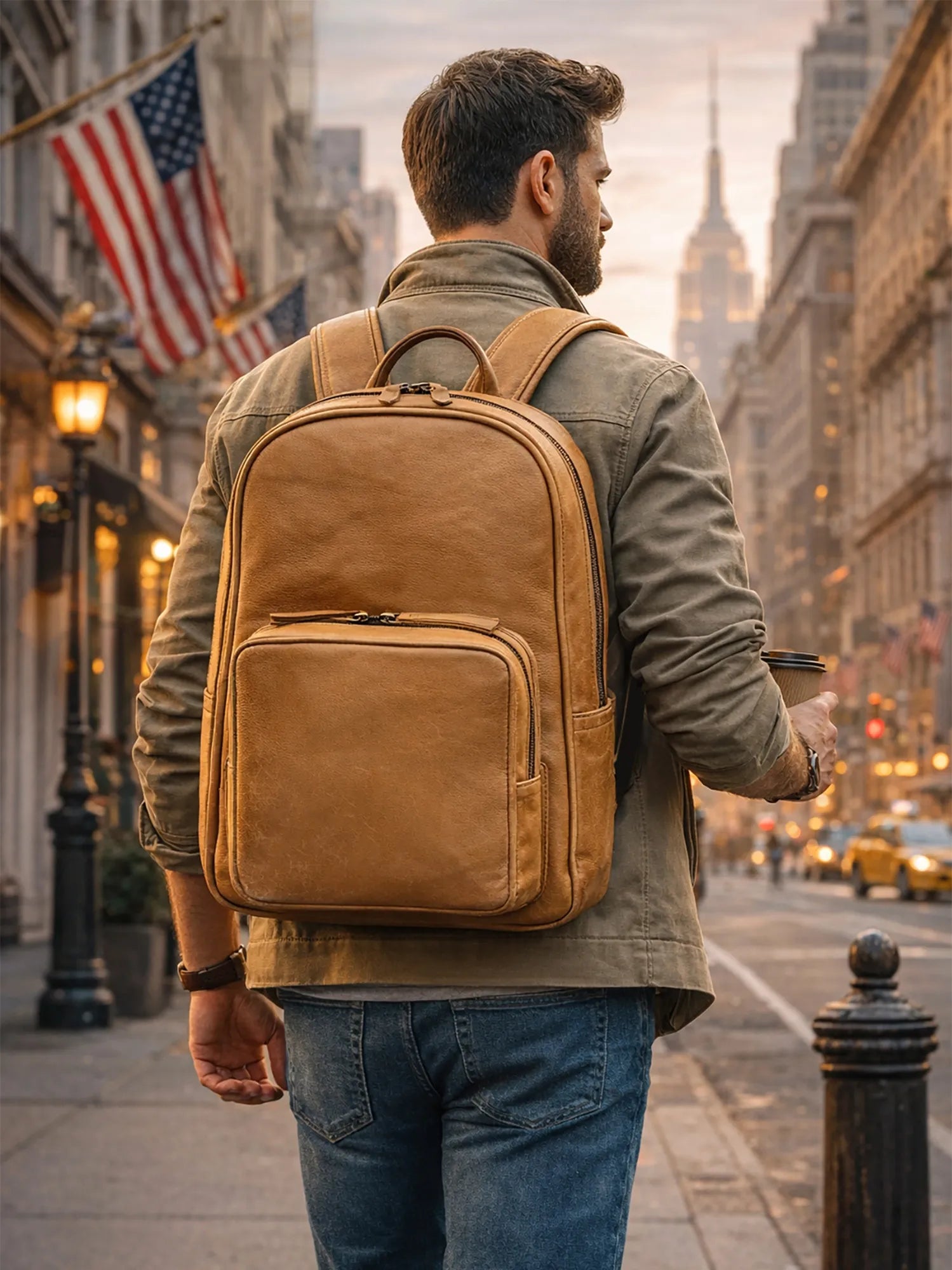
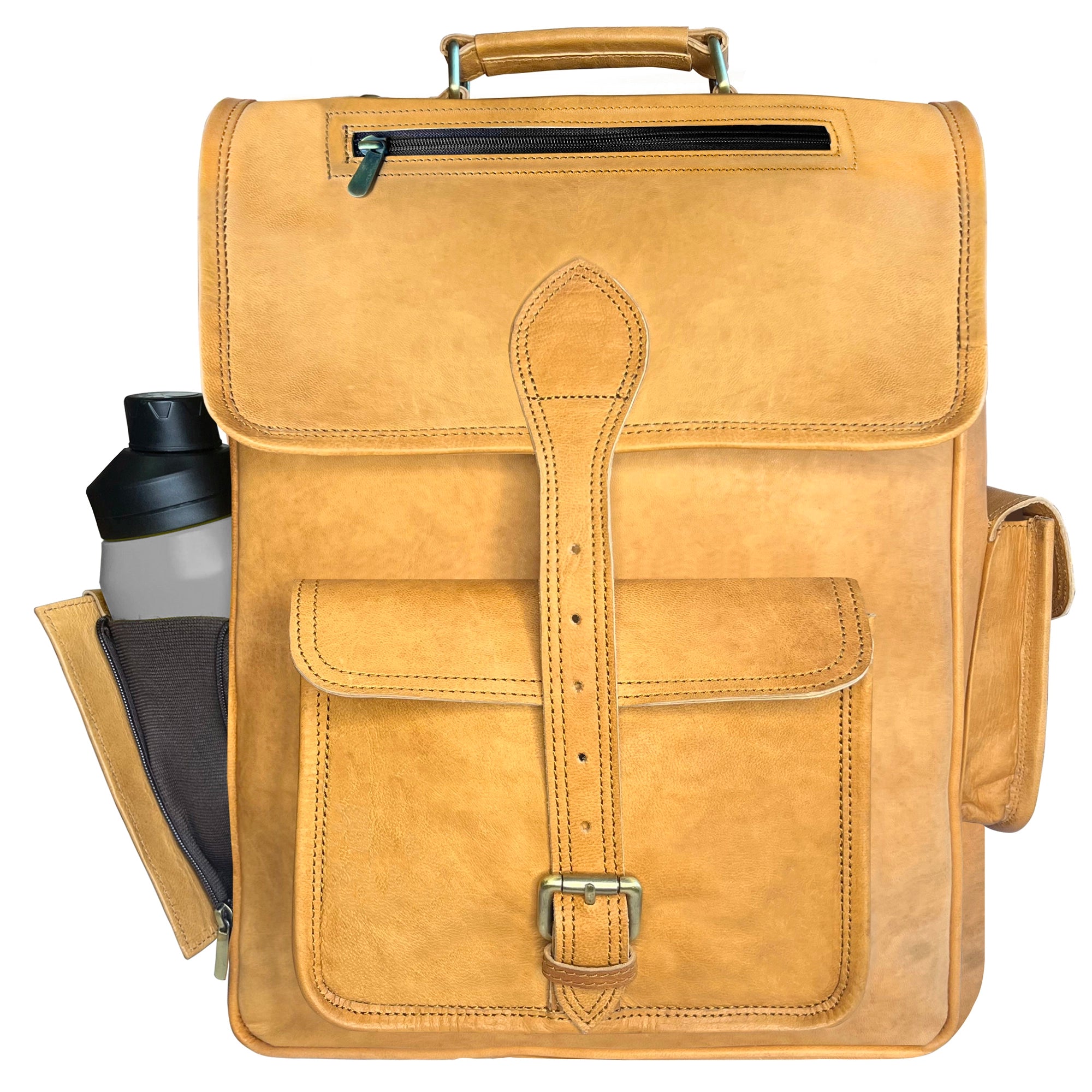
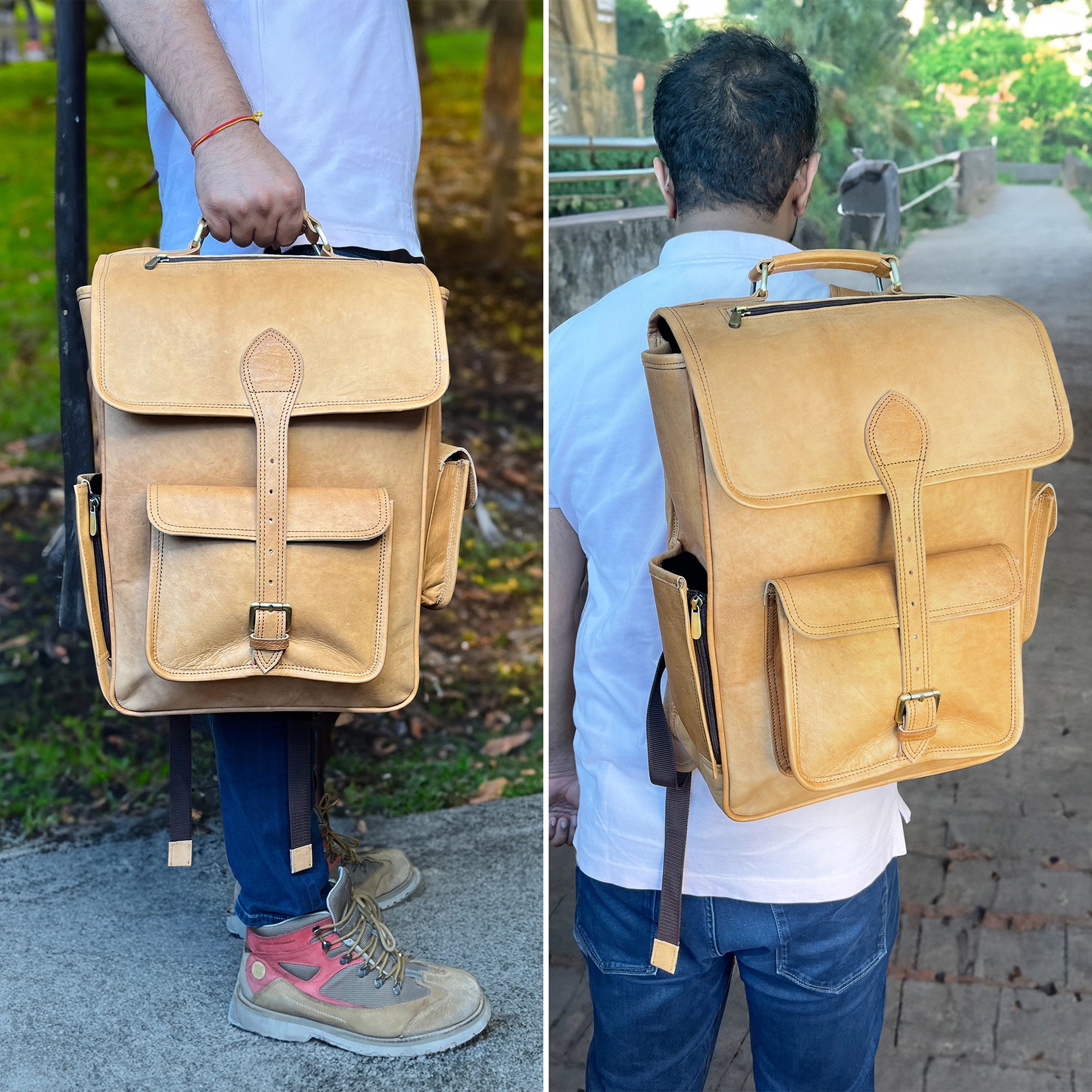
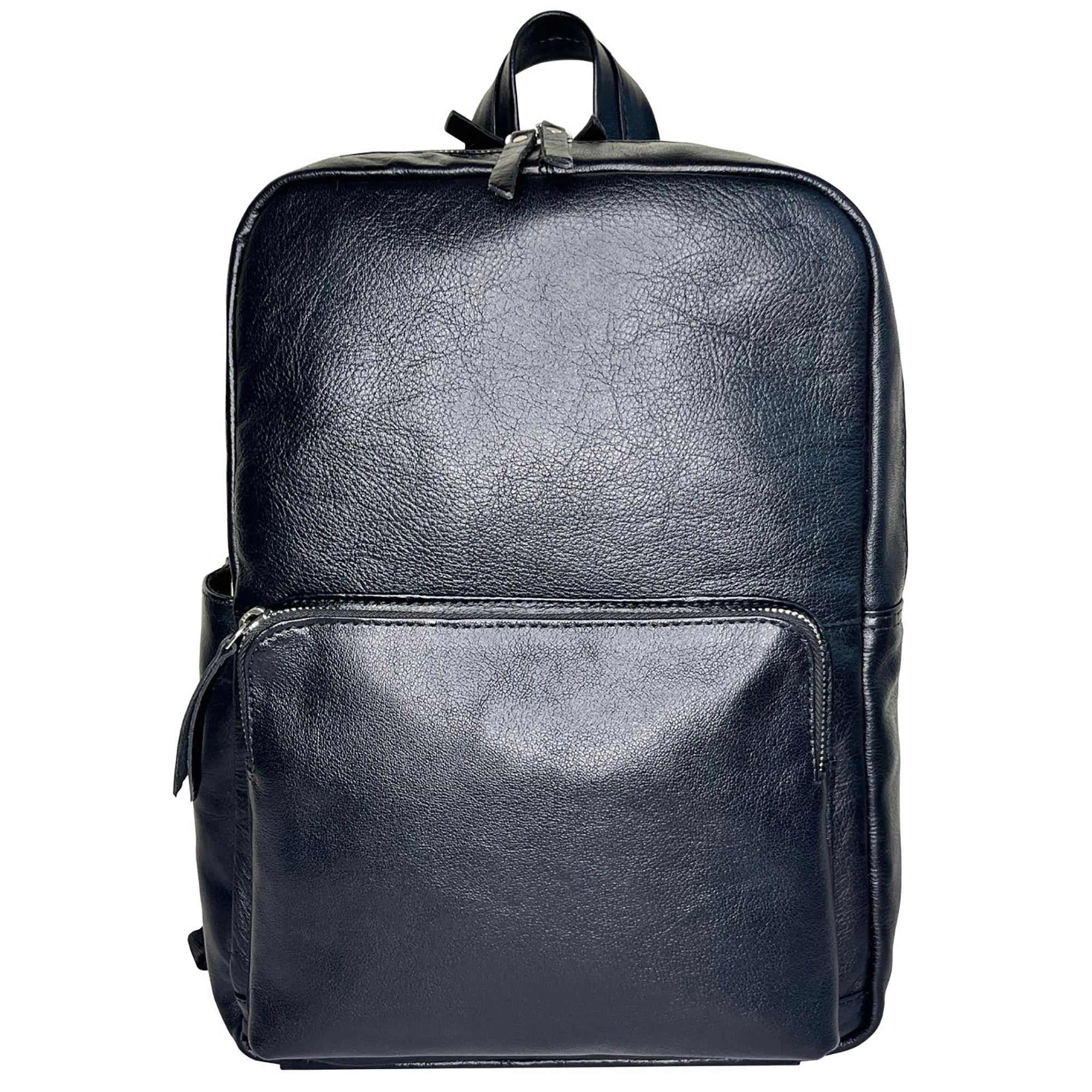
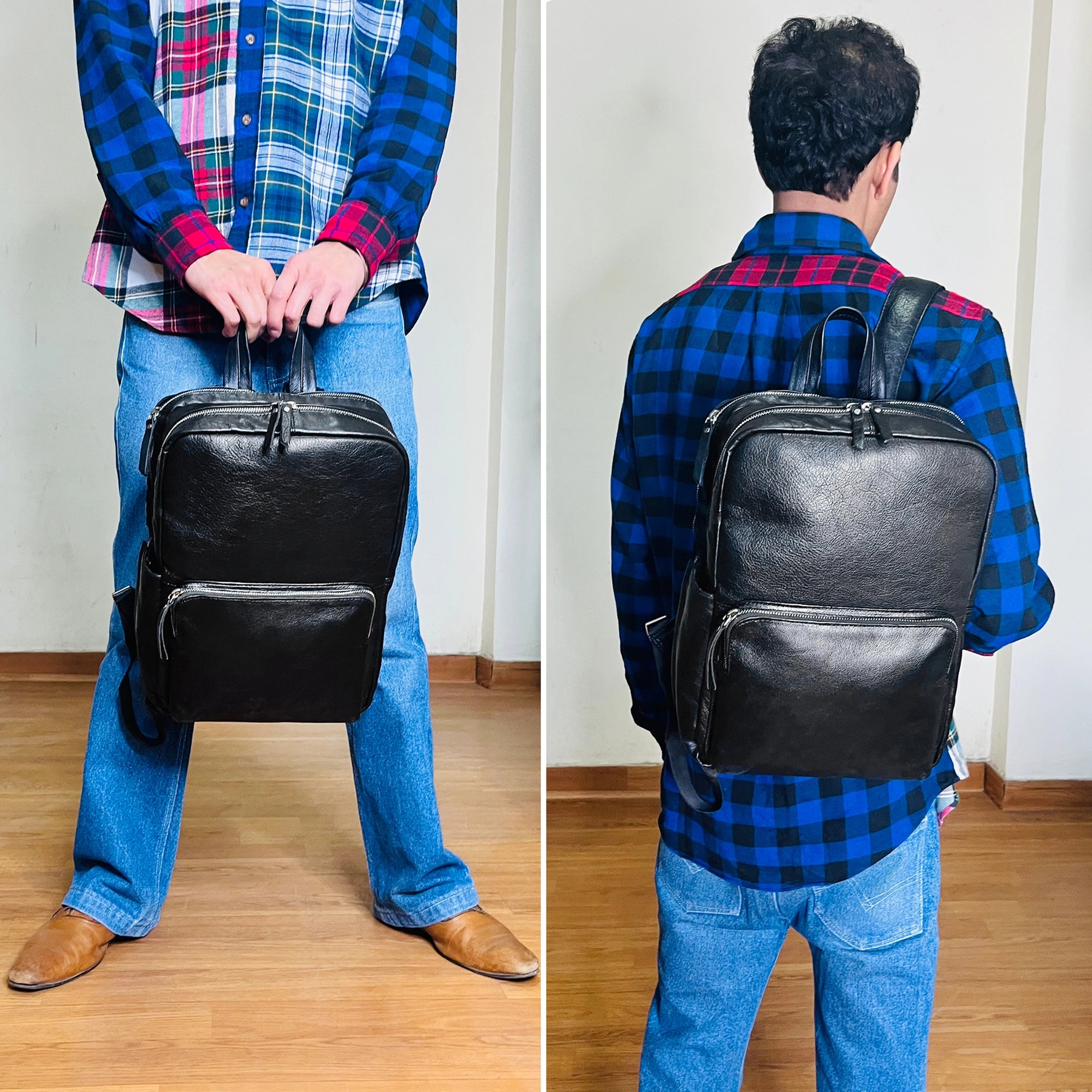
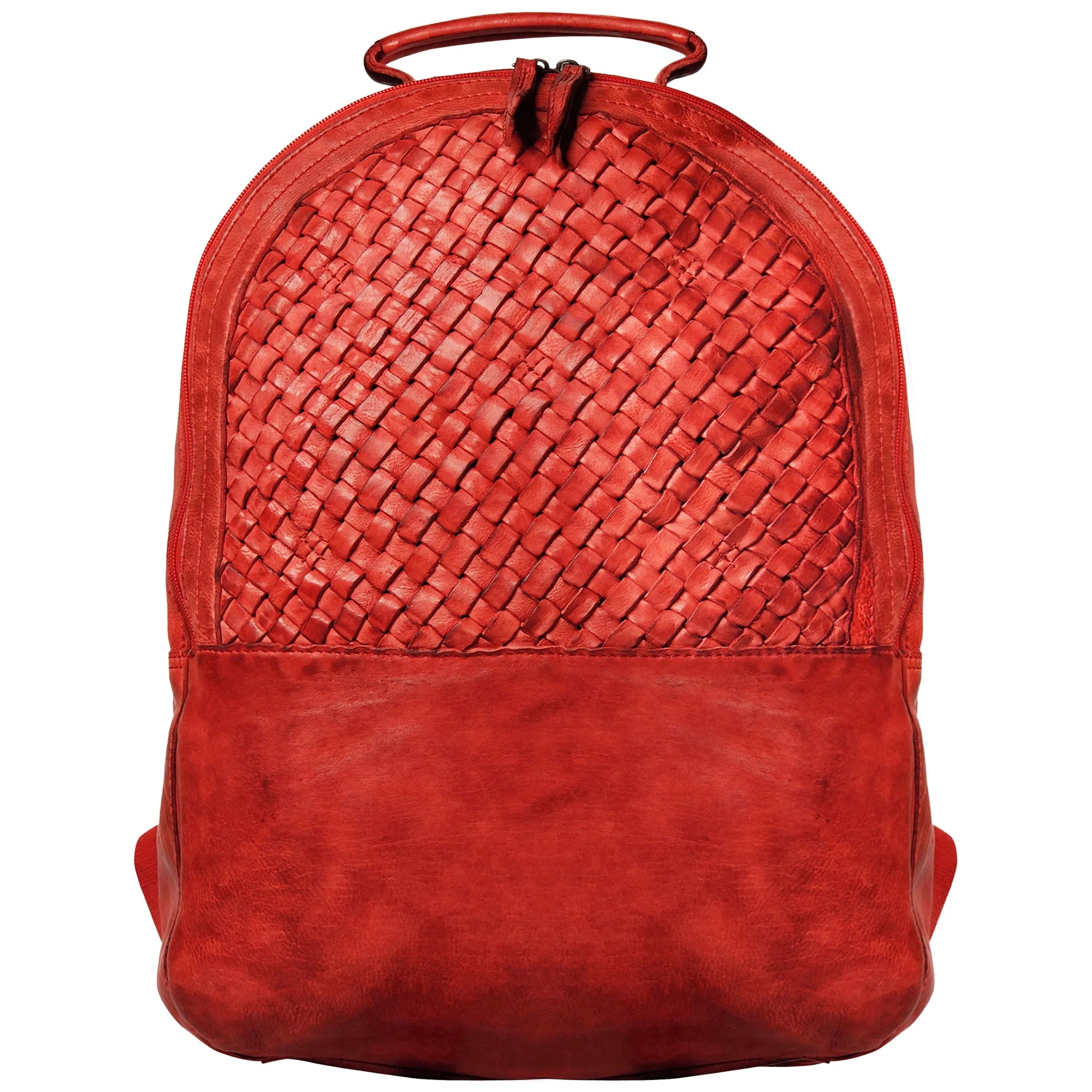
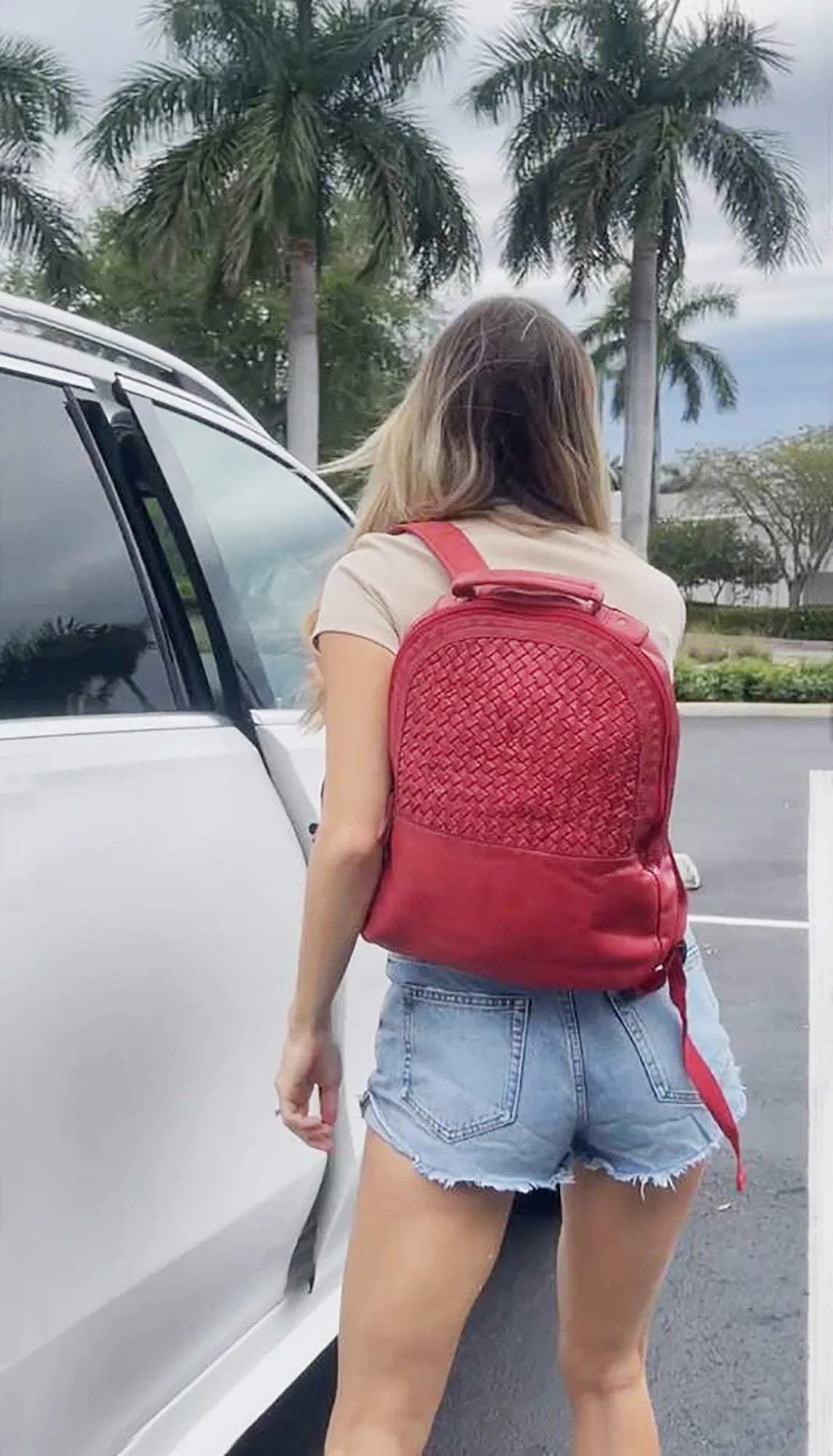
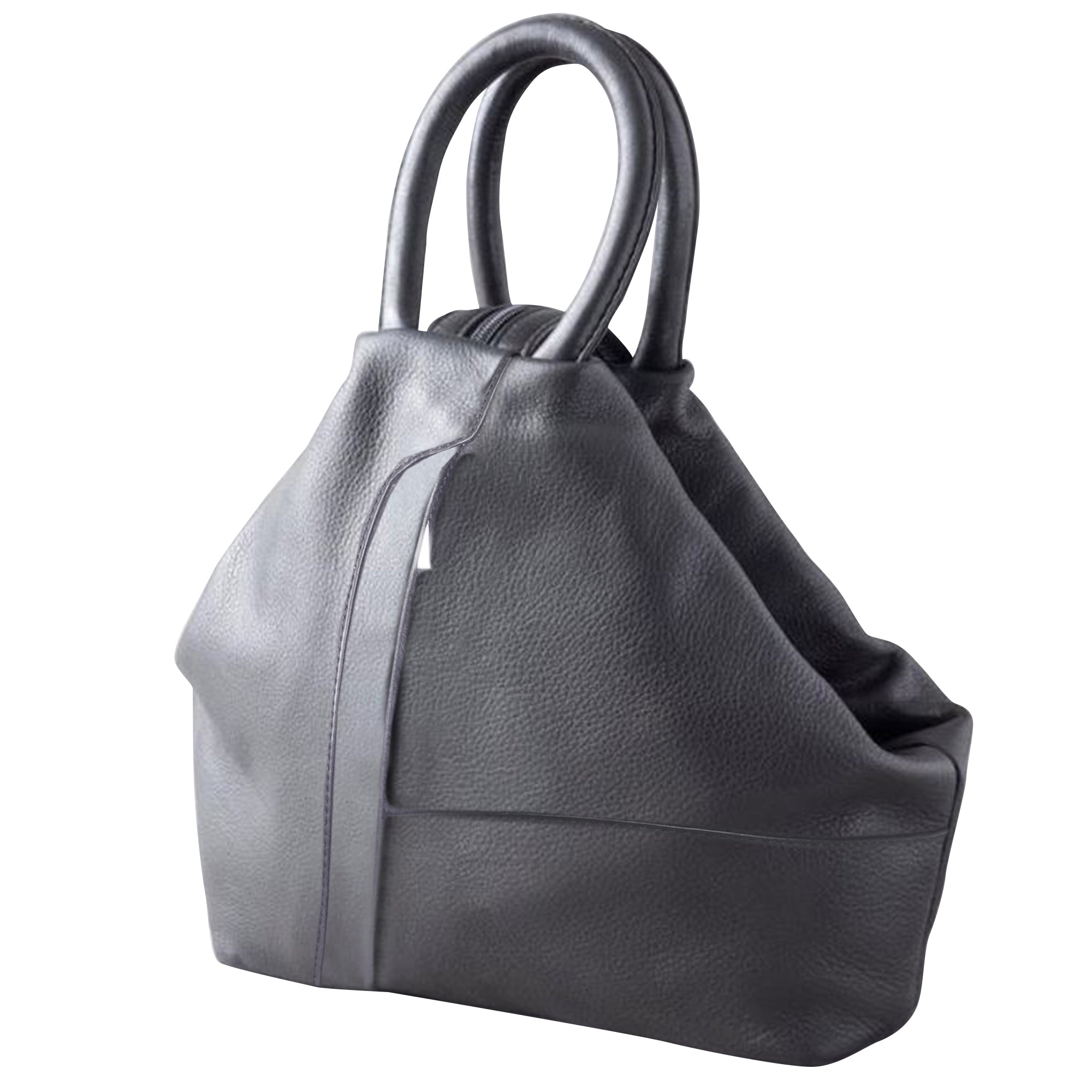
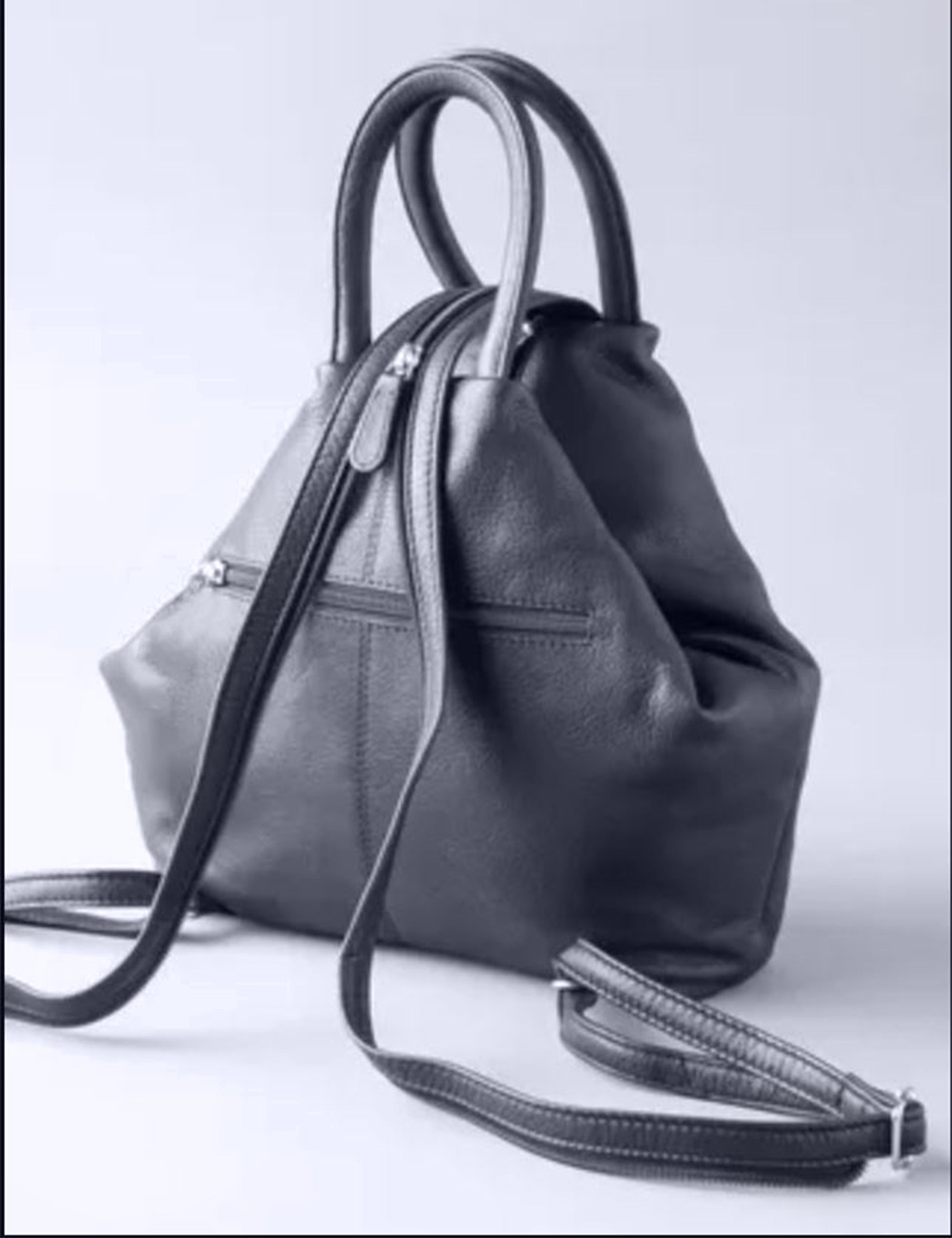
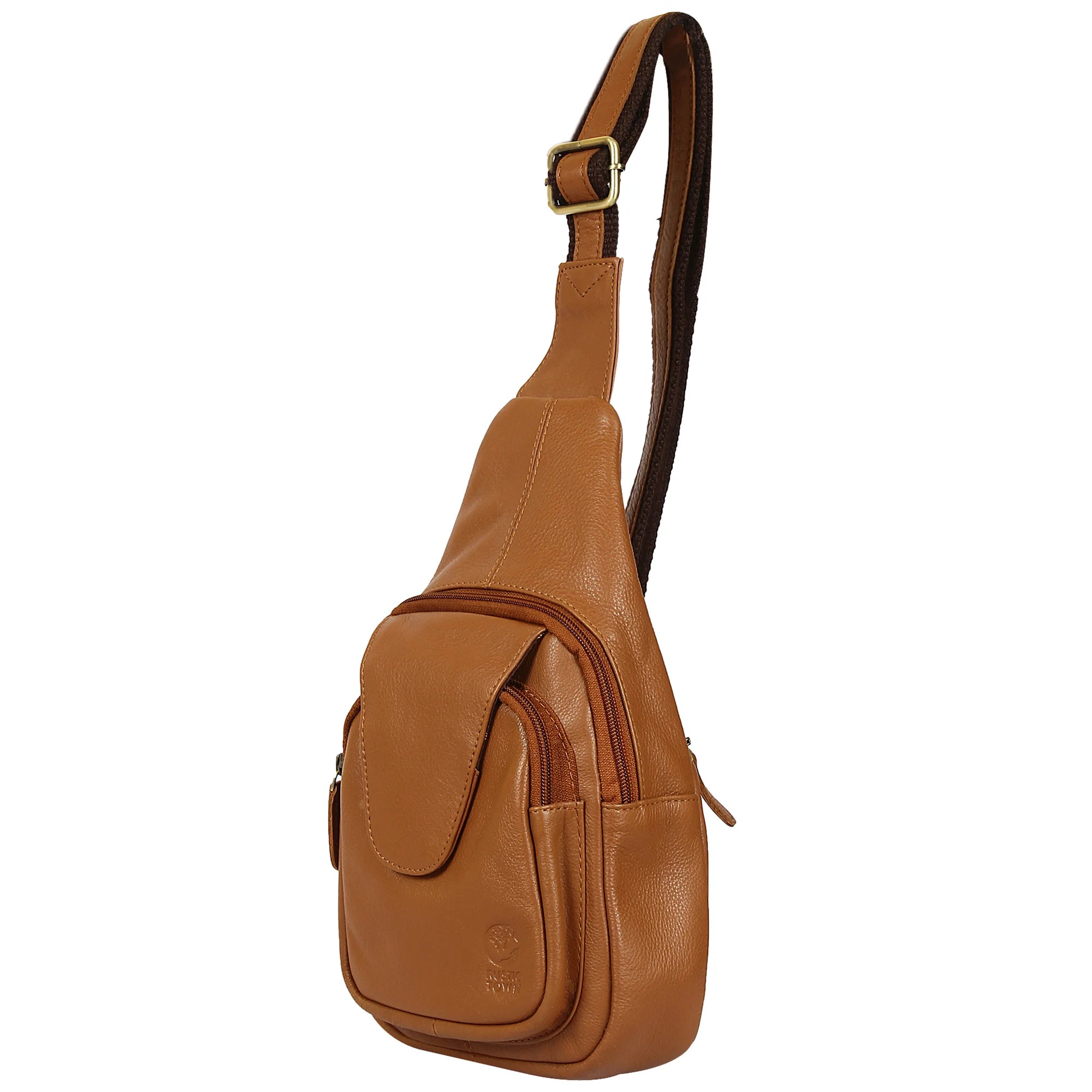
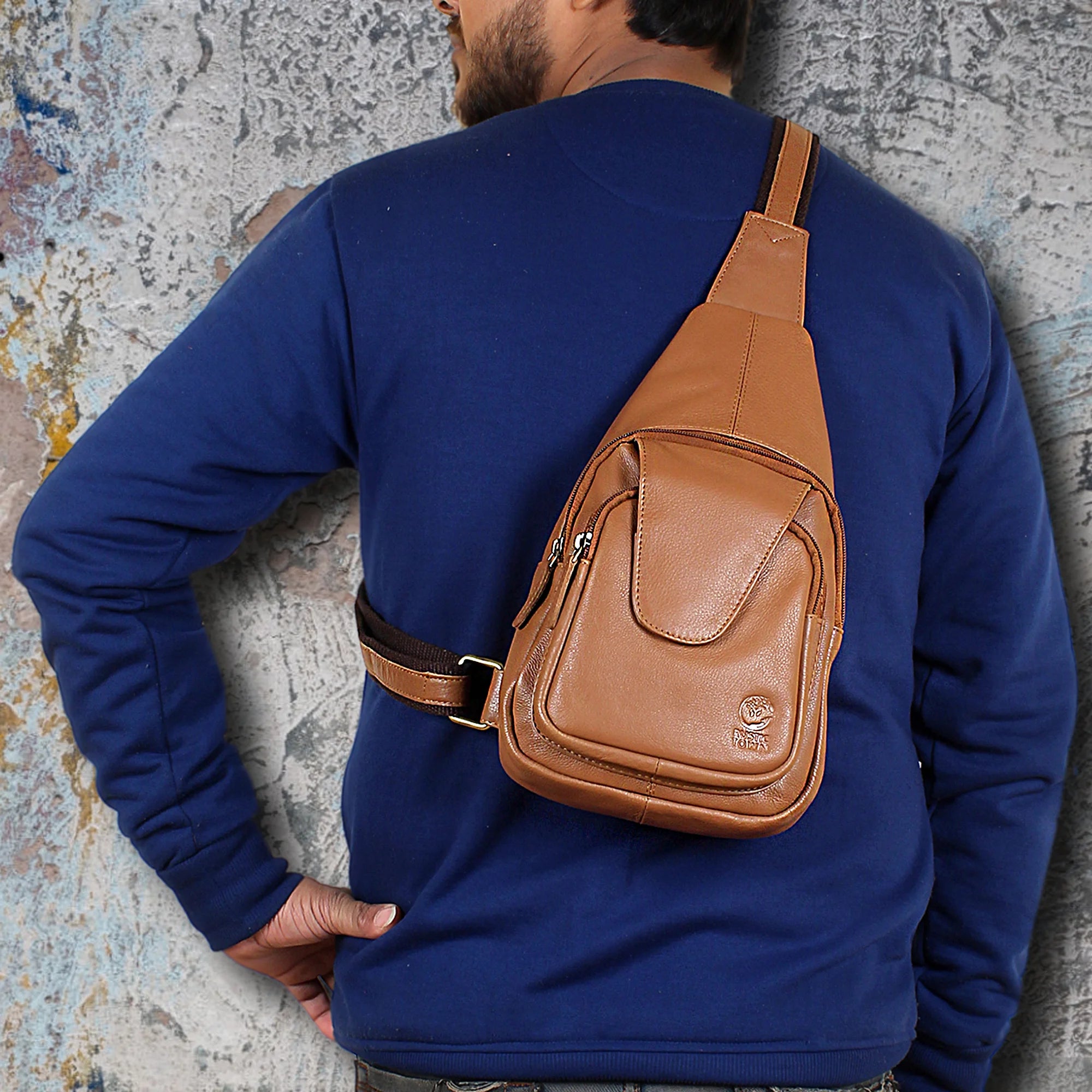
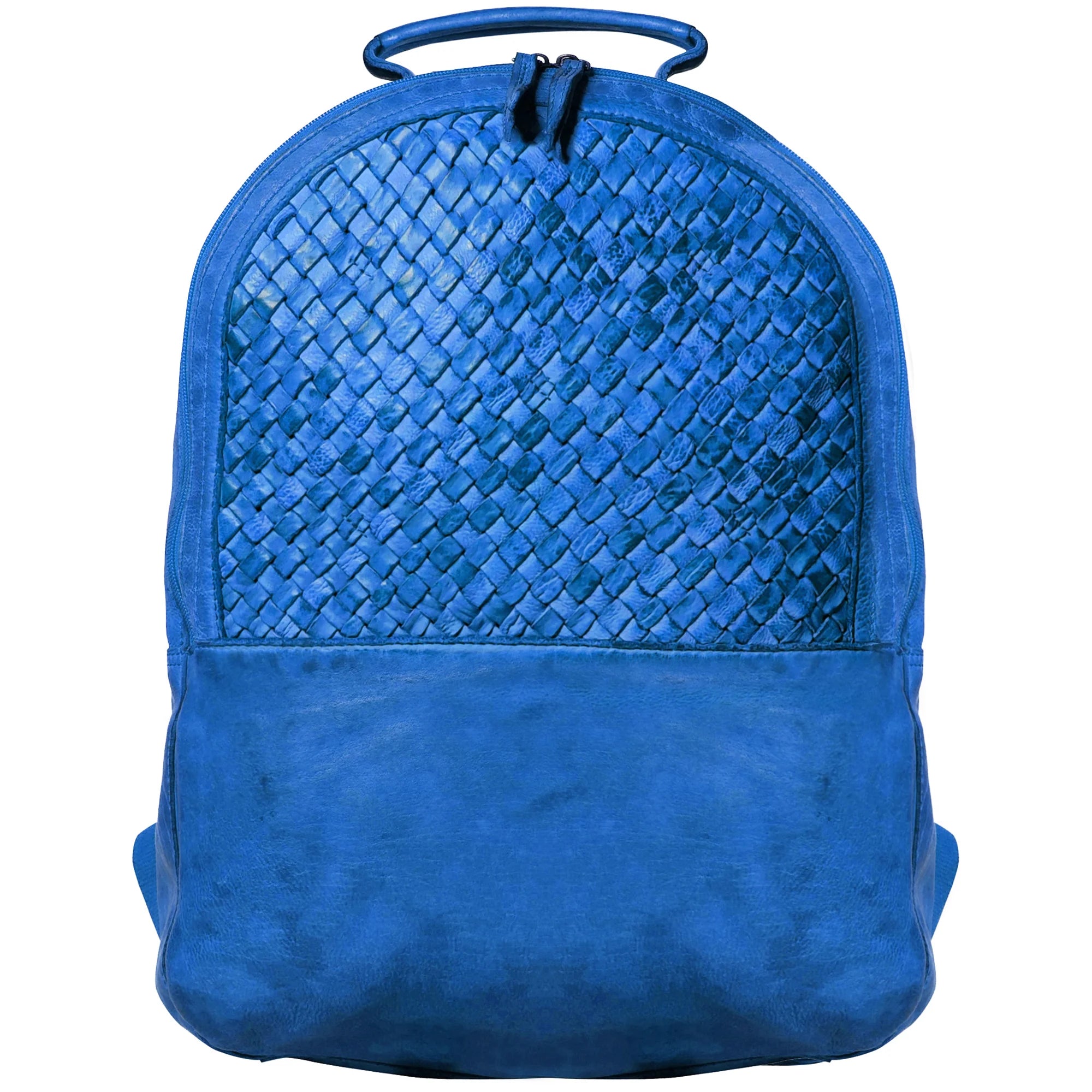
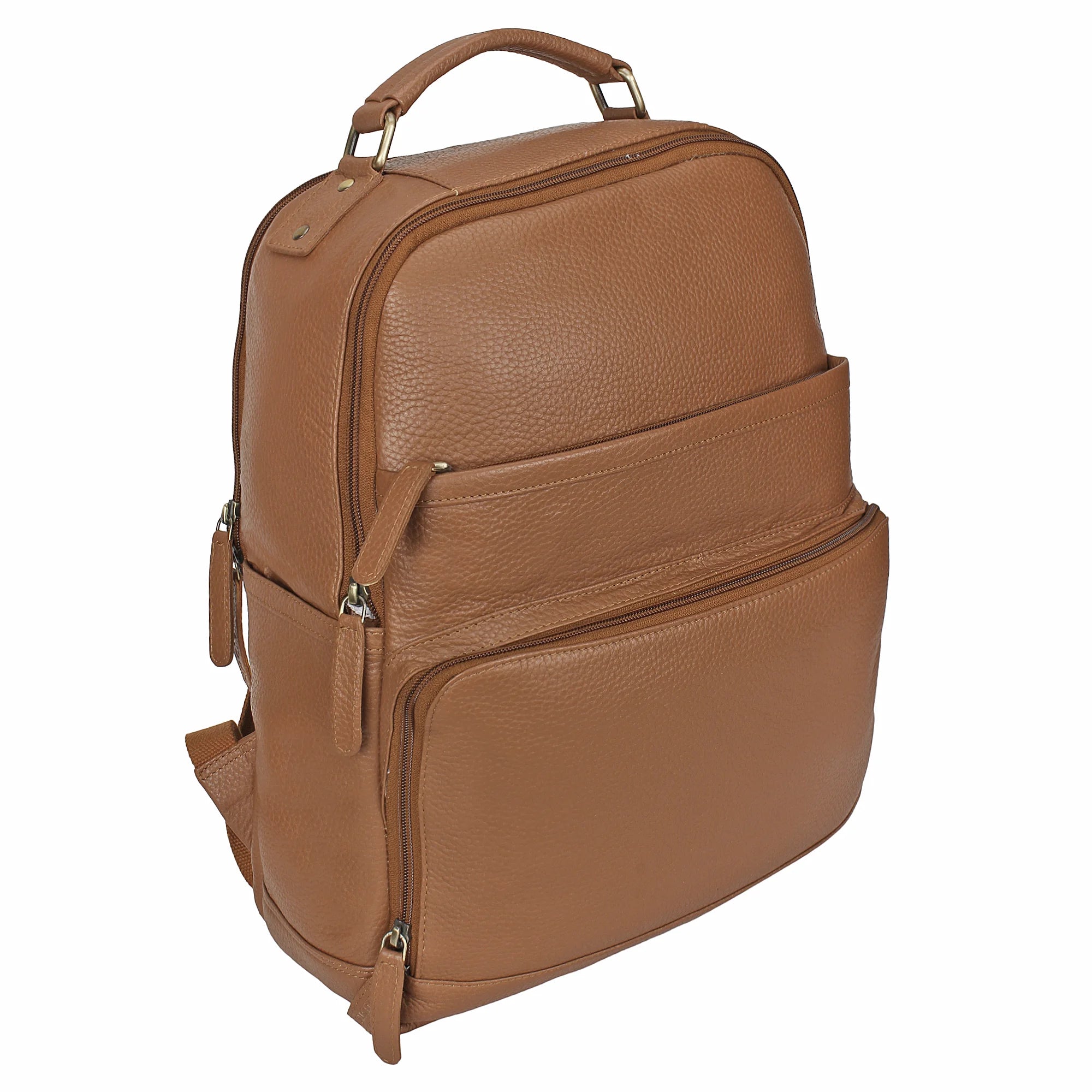
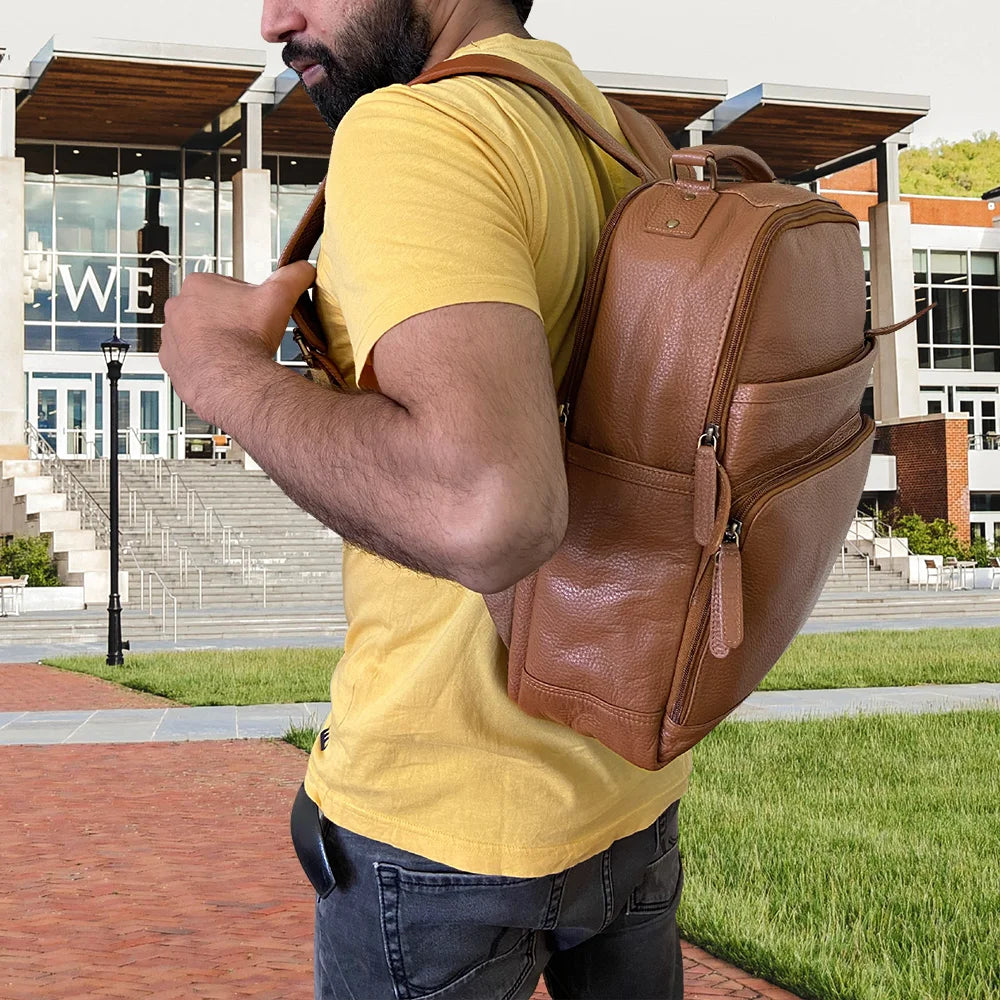
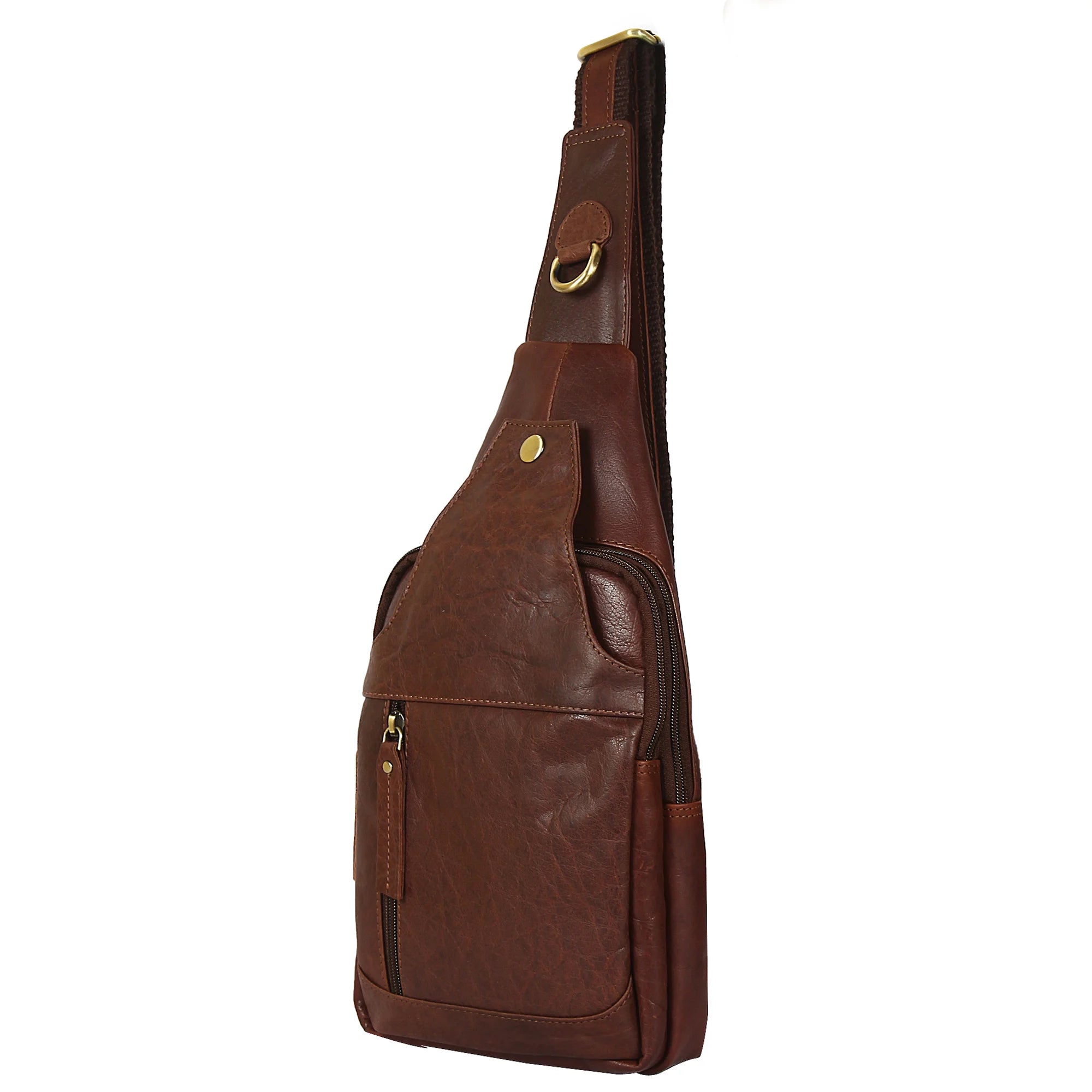
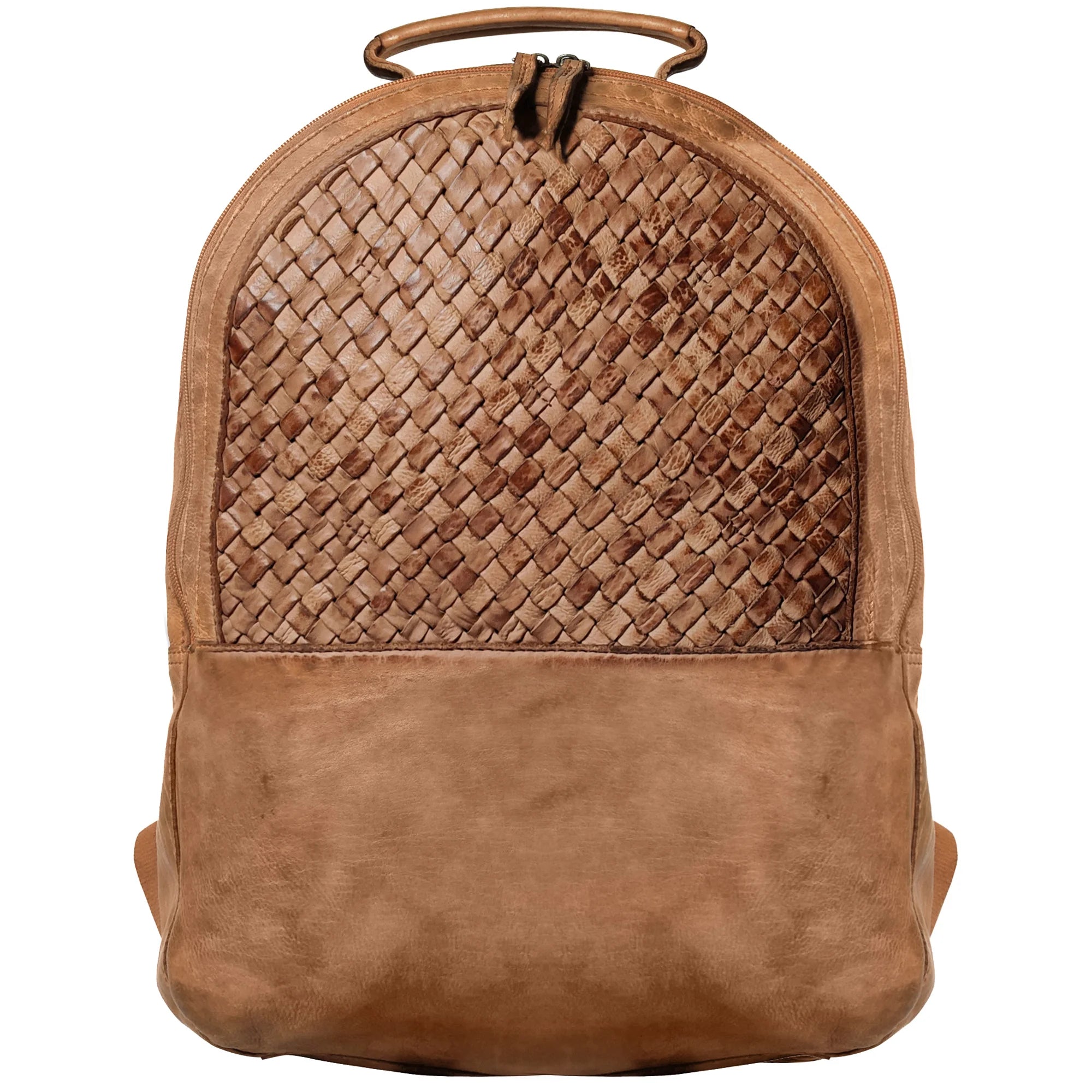
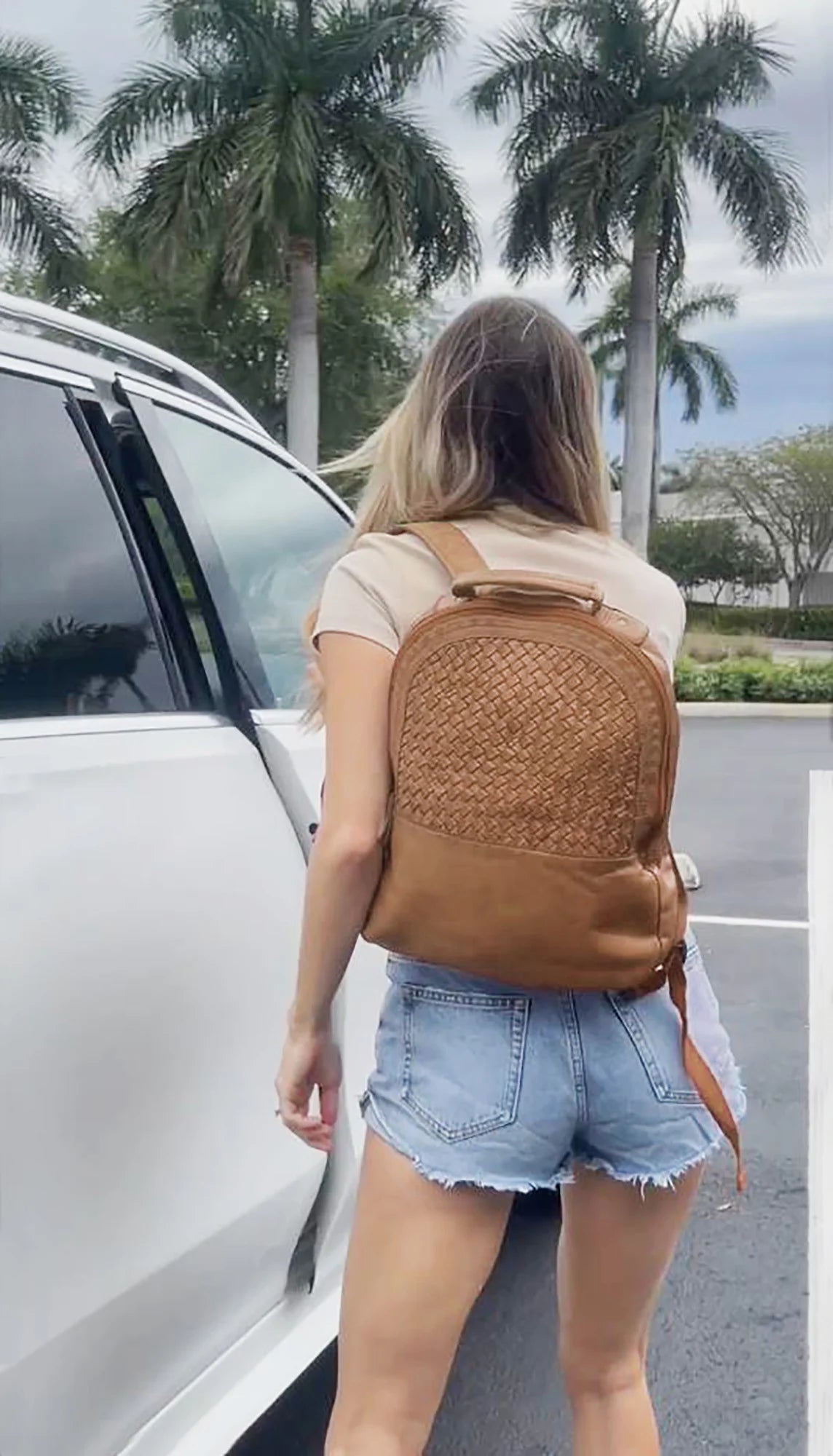
A leather backpack is a two-strap bag handcrafted from full-grain leather with a padded laptop compartment, built to carry a heavier daily load across both shoulders where a single-strap bag cannot. Every backpack in this collection uses full-grain buffalo or goat leather, organiser pockets, and reinforced stitching - the buy-once option for commuters, students, and travellers.
What Is a Leather Backpack?
A leather backpack, also called a rucksack, is the work and travel bag for anyone whose daily carry is too heavy for one shoulder. Where a messenger bag or satchel hangs the full weight on a single strap, a backpack splits it across both shoulders and your back - which is why it is the right answer the moment your load passes roughly 7-8 kg, or your commute involves cycling, long walks, or stairs.
The leather version trades a little weight for a lifetime of service. A full-grain leather backpack handles a laptop, documents, a change of clothes, and the day's essentials, develops a patina with use, and outlives every nylon pack you would otherwise replace each few years. This collection runs 14 styles from a compact women's mini at $59.99 to a trolley-ready travel flagship, all built on the same construction.
Which Leather Backpack Should I Choose?
The headline picks, each linked to its product page, with prices verified from the live collection:
The one-rule version: most commuters and students should start with the Everest or Canyon; frequent flyers who pair the bag with a wheeled case choose the trolley-ready Tahoe; and anyone wanting the smallest daily carry chooses the Aspen mini.
What Size Leather Backpack Do I Need?
Match the pack to your laptop and your daily load:
- Compact (no laptop / tablet) - The Aspen mini for phone, wallet, and daily essentials
- Standard laptop (13-15 inch) - The Canyon, Alpine, and Sierra carry a laptop, charger, and documents for office and campus
- Full-size work & travel (15-16 inch + clothes) - The Everest, Zion, and Tahoe handle a laptop plus an overnight change and the trolley strap for airport days
A sizing rule from thousands of these packs in use: buy for your laptop first, then your normal daily load, not the heaviest day of the year. If you regularly carry a laptop plus gym kit plus lunch, the full-size packs earn their room; if it is mostly a laptop and a notebook, the standard packs sit lighter and look more proportionate.
What Makes These the Best Leather Backpacks?
Three construction choices separate a backpack that lasts decades from one that fails in a couple of years.
Full-grain leather. The strongest outer layer of the hide, with the grain intact, so it resists daily abrasion and develops a patina instead of peeling. Lower grades fail where a backpack flexes most - "genuine leather" wears thin at the base, bonded leather delaminates at the straps. Our guide to the types of leather explains why the grade outweighs the brand.
The straps and back panel. A backpack lives or dies on its straps. These use wide, reinforced shoulder straps anchored with double-stitching at the points that take the full load, so the weight stays comfortable and the anchors do not tear - the most common failure on cheap leather packs.
The laptop protection. Most packs in this collection carry a dedicated padded laptop sleeve, with the full-grain exterior adding natural impact protection that thin nylon lacks. Organiser pockets keep chargers, cables, and documents separated rather than pooled at the bottom.
Backpack, Messenger Bag, or Satchel - Which Should I Choose?
Each suits a different carry:
- Backpack (this collection) - Two straps for heavier loads, long commutes, cycling, and travel
- Leather messenger bag - Soft crossbody for lighter loads and fast document access
- Leather satchel - Structured crossbody with a heritage, business-casual look
Choose the backpack when comfort under weight matters most - it is the only one of the three that distributes a heavy load across both shoulders. Choose a messenger or satchel when your carry is light and you value reaching documents without taking the bag off. For longer trips, pair any of them with a leather travel bag as the main luggage.
How Do I Care for a Leather Backpack?
A full-grain pack asks for minutes of care and repays it in decades:
- Weekly: wipe with a dry cloth, paying attention to the base and straps where wear concentrates
- Every 3-6 months: condition with a leather balm to keep the leather supple and the straps strong
- If it gets rained on: blot dry and air at room temperature, never on a radiator or in direct sun
- Storage: stuff with paper to hold shape and keep it out of prolonged direct sunlight
The full routine is in our guide on how to care for leather bags, and if your pack meets weather on the commute, the deep-dive on whether water ruins leather covers exactly what to do. Expect the leather to darken and burnish over the first year - that patina is the bag recording your commutes, and it is the whole point of full-grain.
Is a Leather Backpack a Good Gift?
It is one of the most practical meaningful gifts you can give, because it gets used every working day. Personalised engraving - initials pressed into full-grain leather - lasts the life of the bag and costs little to add.
The natural occasions: a graduation gift for someone starting university or a first job is the classic, and leather is the traditional third wedding anniversary material, so browse 3rd anniversary gifts for engraved pairings. Most of this collection sits inside the gifts $100-$200 bracket, with the compact packs in gifts $50-$100.
Who Is a Leather Backpack NOT For?
Honest guidance. If your daily carry is genuinely light - a tablet and a notebook - a messenger or satchel is lighter and quicker to access. If you trek with 15+ kg loads or need a hydration system, a technical hiking pack with a hip belt carries that weight better than any leather bag. And if your pack will live strapped to a motorcycle in monsoon rain, waxed canvas is the more practical material. For commuting, campus, office, and travel with a normal daily load - full-grain leather is the buy-once answer.
Why Full-Grain Leather Over Nylon for a Backpack?
The comparison flips over time. A nylon backpack is light and cheap on day one, then degrades from there - frayed strap edges, a peeling base, broken zips, replaced every two to three years. Full-grain leather works the opposite way: it darkens and burnishes into a patina, the base toughens rather than wears through, and the same pack looks better at year ten than year one.
Run the cost-per-year maths, because this is where cheap packs get expensive:
- Nylon commuter backpack - $70, lasts ~2.5 years - about $28 per year, replaced four times a decade
- "Genuine leather" mall backpack - $150, lasts ~3 years - about $50 per year, cracks at the straps
- Rustic Town full-grain backpack - $149.45, lasts 12+ years - under $13 per year, patina included
There is also the carry experience. A full-grain pack holds its shape half-empty instead of collapsing into a sag, the wide leather straps soften and conform to your shoulders over the first few weeks, and the structure distributes a laptop's weight evenly rather than letting it slump into the small of your back. For a bag you wear on your body every working day, that daily comfort is worth as much as the longevity.
How Should a Backpack Fit on Your Back?
A backpack only carries weight well when it is adjusted to sit correctly. The pack should rest high on your back, with the bottom sitting at your waist rather than sagging onto your hips, and the straps snug enough that the bag moves with you instead of swaying. A pack worn too low drags the weight backward and strains your shoulders - the single most common cause of an uncomfortable commute.
Load it back-to-front: heaviest items, like the laptop in its padded sleeve, go closest to your back so the weight sits over your spine rather than pulling away from it. Lighter items and daily-access things go in the outer pockets. Adjust both straps evenly so the load is balanced left to right. Done right, a full-grain leather pack carries a working day's load across a long commute without the shoulder fatigue a single-strap bag delivers by Thursday - which is the whole reason to choose a backpack in the first place.