



The Leather Messenger Bag: Why This Classic Never Goes Out of Style
Walk into any coffee shop in a business district and you'll see the same pattern. Backpacks dominate. Generic totes multiply. But the professionals who've figured out their carry solution? They're using leather messenger bags.
There's a reason this style has survived decades of fashion shifts and functional innovations. A well-made messenger bag solves the fundamental challenge of professional life: carrying what you need without looking like you're hauling your entire existence.
This isn't about nostalgia or aesthetic preference alone. It's about understanding why certain designs endure and how to choose a messenger bag that actually serves you for years, not months.

What Makes a Messenger Bag Different
The messenger bag emerged from necessity. Bicycle couriers needed hands-free carry with quick access. The crossbody design kept bags secure during movement. The flap closure allowed fast retrieval without removing the bag.
That functional foundation translates perfectly to modern professional life. You're not dodging traffic, but you are navigating airports, commutes, and meetings where fumbling with zippers undermines your competence.
A proper messenger bag sits at your hip or lower back. The single strap crosses your torso, distributing weight evenly. The flap opens without gymnastics, revealing organized compartments rather than a single chaotic cavity.
Unlike briefcases, messenger bags feel less formal but no less professional. Unlike backpacks, they maintain a polished appearance while offering similar functionality. This positioning makes them ideal for environments where you need credibility without stuffiness.
Why Leather Still Dominates Quality Messenger Bags
Material choice matters more than most buyers realize. Canvas wears. Nylon looks dated within a season. Synthetic leather cracks and peels embarrassingly fast.
Full-grain leather ages differently. It develops patina. It softens with use while maintaining structure. Minor scratches blend into character rather than screaming damage.
This durability creates actual value. A quality leather messenger bag used daily for five years costs less per use than replacing cheaper bags every 18 months. The math isn't complicated once you track it.
Leather also signals intention. When you carry a handcrafted leather bag, you're communicating standards. You value quality over convenience. You choose items that last over items that trend.
For professionals meeting clients, this matters. Your bag sits on conference tables. It accompanies you to presentations. It's visible in every professional photo taken at events. What it says about your standards registers whether you intend it to or not.
The tactile quality reinforces this daily. Good leather feels substantial without feeling heavy. It smells right. It looks better in year three than synthetic alternatives look on day one.

Types of Leather Used in Quality Messenger Bags
Not all leather messenger bags use the same material. Understanding the differences prevents expensive mistakes.
Full-grain leather represents the highest quality. This is the outermost layer of the hide with natural grain intact. It's the most durable, develops the best patina, and costs the most for legitimate reasons. Full-grain bags last decades with basic care.
Top-grain leather has the outer layer sanded to remove imperfections. It's more uniform in appearance but less durable than full-grain. Many mid-range messenger bags use this as a compromise between aesthetics and cost.
Genuine leather is a marketing term for lower-quality leather products. It's technically real leather but often heavily processed and lacking the durability characteristics that make leather worth choosing. These bags look good initially but age poorly.
The leather type directly impacts how your messenger bag performs over time. Full-grain develops character. Lower grades develop wear patterns that look tired rather than distinguished.
Key Features That Separate Good Messenger Bags from Great Ones
Construction details determine whether a leather messenger bag becomes a trusted daily carry or a regretted purchase gathering dust.
Hardware quality matters immediately. Cheap buckles bend. Flimsy D-rings warp under weight. Plastic components crack. Quality messenger bags use solid brass, antique bronze, or stainless steel hardware that handles daily stress without failing.
Stitching reveals craftsmanship level. Double or triple stitching at stress points prevents seam failure. Reinforced stitching around straps and flap closures extends bag life significantly. Examine these areas closely before buying.
Padding and organization separate functional bags from decorative ones. A padded laptop compartment protects your most expensive carry item. Interior pockets keep small items accessible rather than lost at the bottom. Pen slots, phone pockets, and document sleeves eliminate the daily scramble.
Strap design impacts comfort more than buyers anticipate. Adjustable straps accommodate different body types and carrying preferences. Padded shoulder sections distribute weight during longer carries. Quick-release mechanisms allow fast transitions from shoulder carry to hand carry.
Flap closure style affects daily experience. Magnetic closures offer convenience but may not secure fully when the bag is stuffed. Buckle closures provide maximum security but slow access. Combination systems balance both needs.
Interior lining protects contents and simplifies maintenance. Quality cotton or canvas linings resist wear and clean easily. They also prevent leather oils from transferring to bag contents.

Sizing Your Leather Messenger Bag Correctly
Messenger bags span a wide size range. Choosing the right one requires honest assessment of what you actually carry daily.
Compact messenger bags work for minimalists carrying a tablet, notebook, and essentials. These typically measure 11-13 inches wide. They maintain a sleek profile but won't accommodate a laptop over 13 inches.
Standard messenger bags handle most professional needs. At 14-16 inches wide, they fit 15-inch laptops comfortably while providing room for documents, a water bottle, and daily necessities. This size balances capacity with manageability.
Large messenger bags suit people carrying extensive materials or traveling frequently. At 17-18 inches wide, they accommodate larger laptops and multiple documents but risk looking oversized on smaller frames.
The physical fit matters as much as internal capacity. When worn, the bag should sit comfortably at your hip without banging your leg during walking. The strap should adjust to position the bag correctly whether you're 5'4" or 6'2".
Consider your commute type. Subway riders need bags that compress when crowded. Drivers want bags that sit properly on passenger seats. Cyclists require messenger bags with stabilizing straps that prevent shifting during movement.
Choosing Leather Messenger Bags for Specific Use Cases
Different professional contexts demand different bag characteristics.
For daily office commutes, prioritize organization and laptop protection. You're carrying consistent items in relatively controlled environments. Interior structure matters more than weather resistance.
For client-facing roles, appearance takes precedence. The bag projects your professional standards before you speak. Choose clean designs without excessive pockets or hardware. Classic colors—brown, tan, black—maintain professionalism across industries.
For travel, durability and capacity increase in importance. Airport handling stresses bags. You need weather-resistant leather and reinforced construction. Additional pockets for travel documents and charging cables become essential.
For casual professional environments, messenger bags can show more personality. Distressed leather, unique hardware, or unconventional colors work when dress codes relax. The bag still performs functionally but allows individual expression.
For urban cycling, specific features become critical. Stabilizing straps prevent bag swing. Reflective elements improve visibility. Water-resistant treatments protect contents from weather. These aren't aesthetic choices—they're functional requirements.
Color Selection and What It Communicates
Leather messenger bag color isn't purely aesthetic. It signals professional positioning and practical considerations.
Brown leather remains the most versatile choice. It works across casual to business casual environments. It ages beautifully, developing rich patina that enhances appearance. Brown hides minor scratches and scuffs better than lighter colors.
Tan or cognac leather projects approachability while maintaining professionalism. These lighter browns suit creative industries and less formal business environments. They show wear more visibly but create distinctive character faster.
Black leather delivers maximum formality and versatility. It works in conservative industries where brown might feel too casual. Black shows dust more readily but conceals most stains better than lighter colors.
Dark chocolate or espresso brown splits the difference. Formal enough for traditional business environments but warmer than black. This shade balances professionalism with character.
Distressed or vintage finishes suit casual professional environments. They start with character built in, masking the early wear period. These work well for creative professionals who want bags with immediate personality.
Color choice should align with your professional wardrobe. If you wear predominantly navy and gray, brown leather complements better than black. If you trend toward black suits and minimal color, black leather maintains consistency.
Understanding Messenger Bag Construction Methods
How a messenger bag is constructed determines its longevity and performance under stress.
Hand-stitched construction represents the gold standard. Artisans use traditional saddle stitching techniques where two needles work a single waxed thread through leather. If one stitch breaks, the rest hold. This method creates the most durable seams possible.
Machine-stitched construction offers consistency and speed. Quality manufacturers use heavy-duty machines with strong thread. While not as romantic as hand-stitching, well-executed machine stitching performs reliably for years.
Reinforcement at stress points separates thoughtful construction from corner-cutting. Look for extra stitching where straps attach to bag body, around hardware mounting points, and along the flap edge. These areas handle the most tension during daily use.
Edge finishing reveals attention to detail. Turned and burnished edges create clean, finished appearances that resist fraying. Painted edges look crisp initially but chip with use. Raw edges work in rustic designs but require accepting more visible wear over time.
Interior construction matters as much as exterior. Reinforced seams inside the bag prevent liner separation. Properly installed pockets maintain position rather than sagging. These details determine whether your bag stays organized or becomes chaotic.
The Rustic Town Approach to Messenger Bags
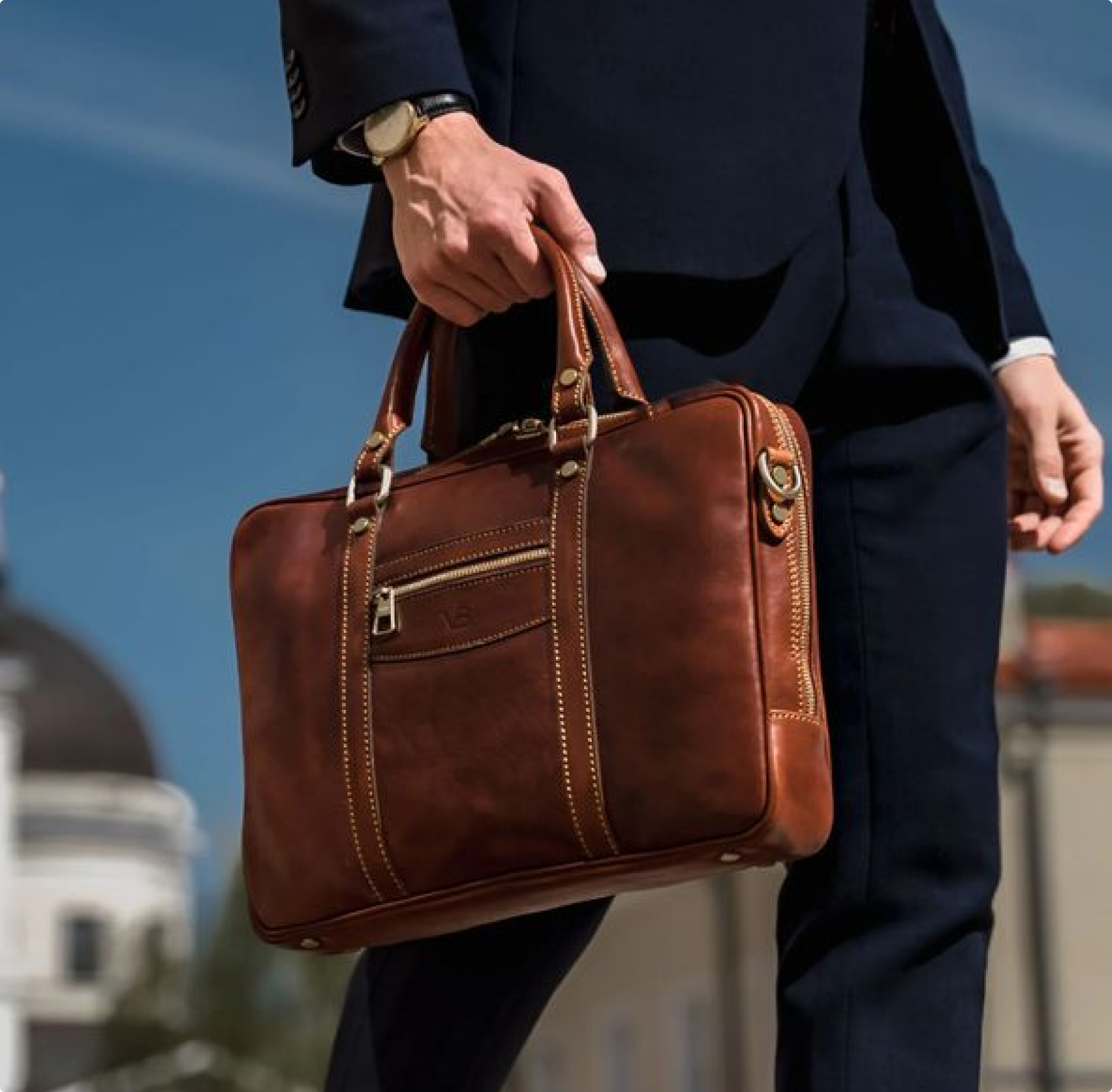
Rustic Town builds leather messenger bags using full-grain leather and traditional construction methods. Each bag balances heritage craftsmanship with modern functionality.
The design philosophy prioritizes longevity. These aren't fashion pieces that work for a season. They're daily carry solutions meant to improve with age while maintaining structure and function.
Construction details reflect this commitment. Double stitching at stress points. Solid brass hardware that won't corrode or bend. Adjustable straps that accommodate different body types and carrying preferences.
Interior organization addresses real professional needs. Padded laptop compartments protect expensive electronics. Multiple pockets keep small items accessible. Document sections prevent paper from wrinkling during transport.
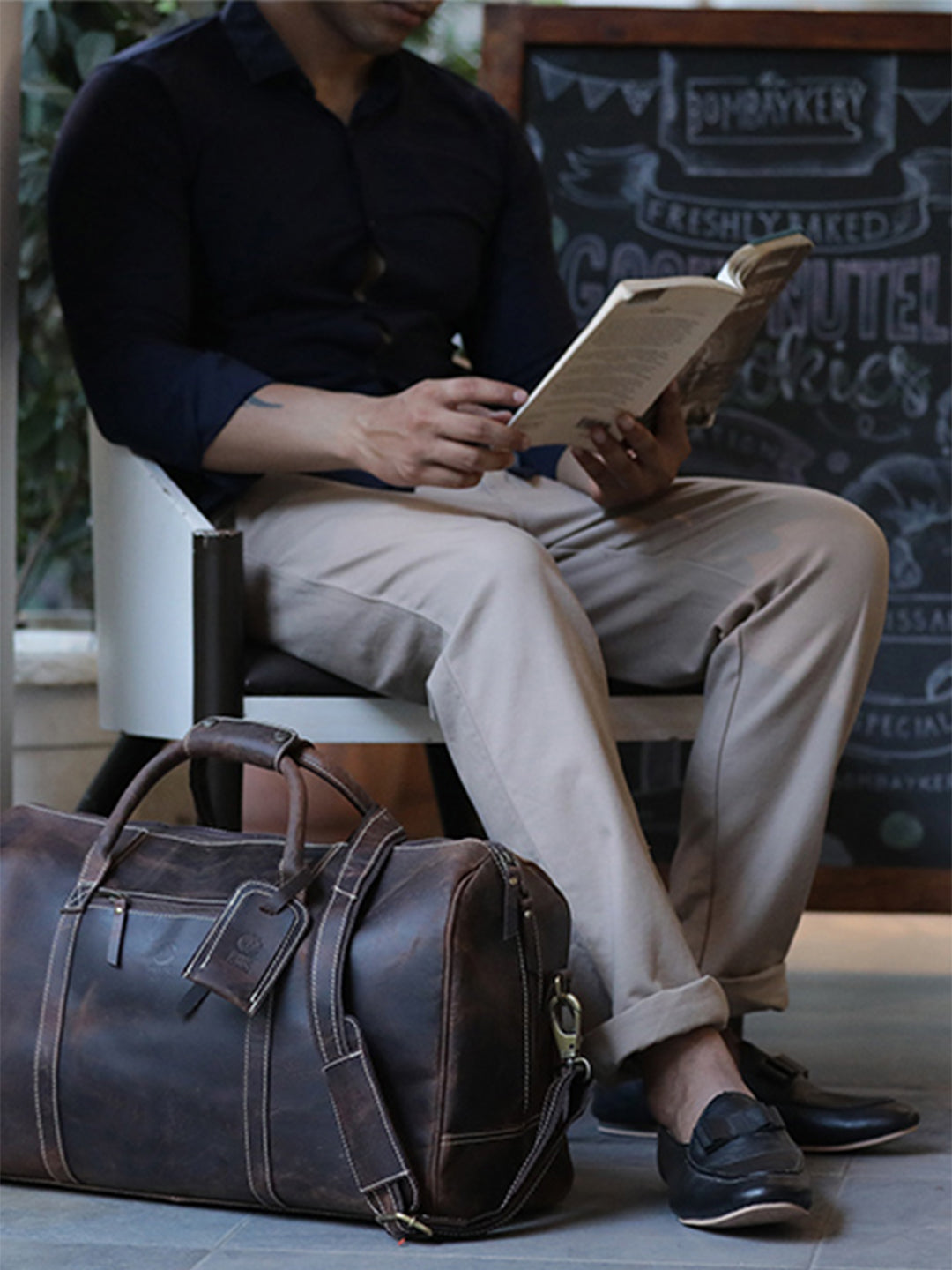
The leather quality sets expectations from first touch. Full-grain buffalo leather ages beautifully, developing character without compromising durability. This isn't leather that needs babying—it's built for daily professional use.
For professionals seeking messenger bags that serve them for years rather than months, Rustic Town leather messenger bags deliver the construction quality and design thoughtfulness that justify the investment.
Caring for Your Leather Messenger Bag
Proper maintenance extends messenger bag life significantly while preserving appearance.
Regular cleaning prevents dirt buildup that degrades leather over time. Wipe down your bag weekly with a soft, dry cloth. For deeper cleaning, use a damp cloth with mild soap, then dry thoroughly. Avoid soaking leather or using harsh chemicals.
Conditioning leather every few months maintains suppleness. Use quality leather conditioner applied sparingly with a soft cloth. This prevents drying and cracking while enhancing natural patina development. Over-conditioning can darken leather and make it too soft.
Weather protection matters in wet climates. Apply leather protectant spray before first use and reapply seasonally. This creates water resistance without altering leather appearance. If your bag gets wet, let it air dry naturally away from direct heat.
Storage practices prevent damage during non-use periods. Store messenger bags stuffed with paper to maintain shape. Keep them in breathable dust bags rather than plastic. Store in cool, dry locations away from direct sunlight.
Handle stains immediately for best results. Blot liquid spills rather than rubbing. For oil stains, apply cornstarch and let it absorb overnight before brushing off. Some stains will integrate into patina—accept this as part of the aging process.
Hardware maintenance keeps buckles and clasps functioning smoothly. Wipe metal components clean periodically. Apply minimal lubricant to moving parts if they become stiff. Tighten loose screws before they fall out completely.
Common Messenger Bag Mistakes to Avoid
Understanding what doesn't work prevents expensive regrets.
Overloading bags beyond capacity stresses seams and hardware. If you're forcing zippers closed or straining buckles, you're carrying too much. This damages bags and creates unnecessary wear.
Ignoring fit leads to discomfort and abandonment. A messenger bag that doesn't sit correctly on your frame won't get used regardless of quality. Try bags on with typical load before buying.
Choosing style over function creates daily frustration. That minimalist messenger bag without pockets looks great but performs poorly when you can't find your keys. Prioritize organization that serves your actual needs.
Skipping quality for price seems economical until you're replacing bags every year. The initial cost difference between quality and cheap messenger bags disappears after the second replacement cycle.
Neglecting maintenance accelerates deterioration. Leather needs minimal care but it needs consistent care. Fifteen minutes monthly preserves your investment for years.
Buying the wrong size for your actual carry needs creates problems. Too small and you're cramming items in daily. Too large and the bag looks half-empty and feels unwieldy.
Why Professionals Choose Messenger Bags Over Alternatives
Backpacks offer more capacity but project casual energy. Briefcases signal formality but lack versatility. Tote bags provide openness but sacrifice security.
Leather messenger bags occupy the perfect middle ground. Professional enough for client meetings. Casual enough for creative environments. Secure enough for valuable electronics. Accessible enough for quick retrieval.
The crossbody carry distributes weight better than briefcases while maintaining a more polished appearance than backpacks. You can wear a messenger bag with a suit without looking like you're heading to the gym after work.
Quick access matters in professional contexts. When you need documents during a standing conversation or want to grab business cards at a networking event, messenger bag design facilitates this smoothly.
The physical presence communicates intentionality. You've chosen a carry solution that balances function and form. You value quality enough to invest in it. These signals register in professional environments whether explicitly acknowledged or not.
Making the Investment Decision
Quality leather messenger bags represent significant investments. Understanding the value proposition helps justify the cost.
Cost per use calculation reveals actual value. A leather messenger bag used 250 days annually for five years delivers 1,250 uses. Even at a premium price point, the per-use cost drops below what you'd pay for lunch.
Resale value exists for quality bags. Well-maintained handcrafted messenger bags from reputable makers hold value. You won't recoup full cost, but you'll recover more than mass-produced alternatives worth nothing after a year.
Professional impact justifies premium positioning. Your bag accompanies you to every important meeting. It's visible in professional photos. It influences first impressions before you speak. This impact has value beyond simple functionality.
Reduced decision fatigue matters more than people realize. When you find a messenger bag that works, you stop thinking about bags. You've solved that problem permanently rather than revisiting it every 18 months.
The satisfaction of using quality daily compounds over time. Every smooth buckle action, every perfectly positioned pocket, every compliment on your bag reinforces the choice. This psychological return exceeds the purely functional.
Finding Your Perfect Messenger Bag
Start with honest needs assessment. What do you carry daily? How do you commute? What professional environments do you navigate? Your answers determine which features matter most.
Prioritize quality over trends. Fashion changes. Well-made messenger bags remain relevant for decades. Choose classic designs in quality materials over trendy styles in questionable construction.
Test the physical fit before committing. Adjust the strap to your preferred length. Load the bag with typical items. Walk around. Sit down with it. The bag should feel natural, not awkward.
Examine construction details closely. Check stitching at stress points. Test hardware operation. Inspect interior organization. These details determine long-term satisfaction.
Consider your style evolution. Choose bags slightly more refined than your current style. You'll grow into them rather than outgrowing them. Classic designs age with your career rather than against it.
Research the maker's reputation. Quality messenger bags come from manufacturers committed to craftsmanship. Look for makers who stand behind their work and have established track records.
A leather messenger bag isn't a purchase. It's a decision to stop compromising on something you use daily. Choose well, care properly, and you'll wonder why you tolerated inferior carry solutions for so long.

