


The Traditional Leather Briefcase: Why Classic Design Still Dominates Professional Settings
Structured Construction and Shape Retention
The defining characteristic of traditional briefcases is their rigid, structured construction that maintains shape whether empty or full. Unlike soft-sided messenger bags that collapse when empty or bulge when overstuffed, quality briefcases preserve their professional silhouette consistently.
Why structure matters professionally: In formal business settings, a structured briefcase signals organization, preparedness, and attention to detail. The bag's consistent shape suggests its contents are equally well-organized. When you set a structured briefcase on a conference table, it sits cleanly without slouching or tipping—a subtle signal of professionalism that softer bags cannot replicate.
Construction methods: Traditional briefcases achieve structure through multiple techniques. The finest examples use thick, full-grain leather naturally providing substantial body. Internal frameworks—cardboard or plastic reinforcement between leather layers—maintain shape in key areas like the base and sides. Some premium briefcases incorporate subtle metal framing at corners and edges, ensuring the bag never loses its crisp lines even after years of daily use.
Document protection advantage: The rigid construction serves practical purposes beyond aesthetics. Legal documents, medical records, contracts, and presentations remain perfectly flat without creasing or folding. For professionals handling important papers requiring pristine condition—court filings, client proposals, medical charts—this protection proves essential. A crumpled contract or dog-eared presentation undermines professionalism; a briefcase prevents such embarrassments.

Top-Handle Carry: The Power Position
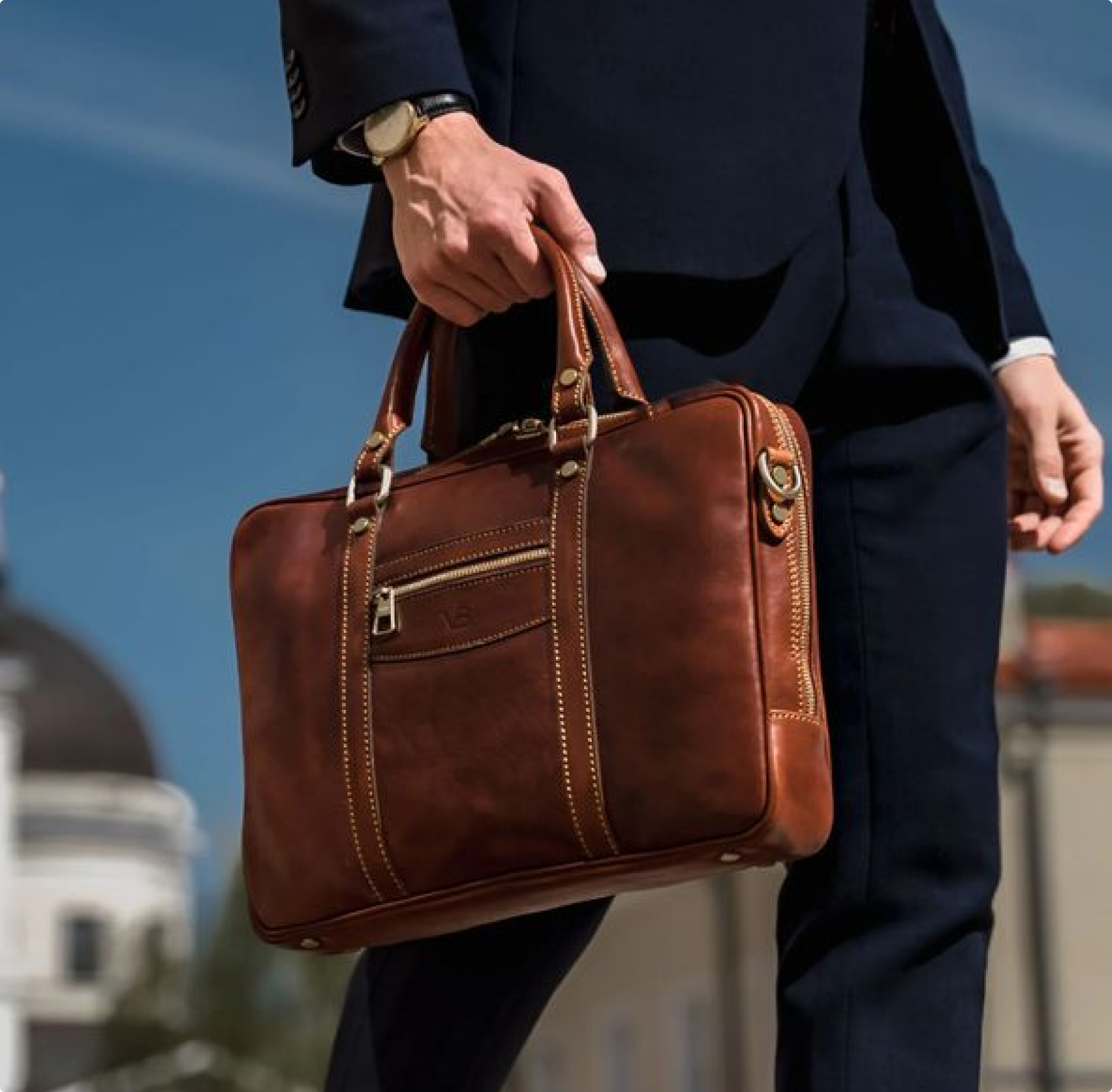
Traditional briefcases feature a single top handle as the primary carrying method, with shoulder straps often available as secondary options but never dominating the design.
The psychology of hand-carry: Carrying a briefcase by its top handle creates a distinctive professional silhouette instantly recognizable across cultures and generations. This carrying style has become synonymous with business expertise—lawyers entering courtrooms, executives arriving at headquarters, consultants walking into client offices. The visual impact communicates authority and purpose.
Practical considerations: Top-handle carry works excellently for specific professional scenarios. Short distances from car to office, from lobby to meeting room, from one floor to another—situations where you're not carrying the bag for extended periods. The handle provides comfortable grip without occupying your entire hand, allowing you to manage doors, shake hands, or hold other items simultaneously.
When it challenges: Extended carrying distances make top-handle style less comfortable than cross-body or backpack alternatives. Urban professionals navigating long commutes via public transit may find traditional briefcases tiring. This explains why many modern briefcases include detachable shoulder straps—acknowledging that while top-handle carry projects ideal professional image, practical daily reality sometimes demands comfort adaptations.
Clamshell Opening and Interior Organization
Traditional briefcases open along the top or front edge, creating wide access to the entire interior when opened. This clamshell design contrasts with messenger bags' narrow top openings or backpacks' constrained access points.
Organization advantages: The wide opening allows you to see everything inside at a glance. During meetings when you need specific documents quickly, you can visually scan contents and retrieve exactly what you need without fumbling or dumping everything out. This efficient access matters enormously in professional contexts where smooth competence is expected.
Interior configuration: Quality traditional briefcases feature thoughtful internal organization. Document dividers create sections for different case files or client materials. Pen loops secure writing instruments preventing them from marking papers or damaging electronics. Business card holders keep cards crisp and accessible. Zippered pockets secure valuables like keys, phones, and wallets separately from work materials.
Modern adaptations: Contemporary traditional briefcases maintain classic organization while adding padded laptop compartments. The best designs integrate technology protection seamlessly rather than appearing to be awkward afterthoughts. A dedicated laptop section—properly padded and positioned—coexists with document compartments, acknowledging that modern professionals carry both paper and digital materials.

Security Features: Locks and Closures
Traditional briefcases often incorporate security mechanisms beyond simple zippers—combination locks, key locks, or sophisticated latching systems that secure contents and project professional seriousness.
Password/combination locks: Some traditional briefcases feature dual combination locks securing the main closure. These briefcases appeal particularly to professionals handling sensitive information—medical records, legal documents, proprietary business data. The visible locks signal to clients and colleagues that confidential materials receive appropriate protection.
Key lock systems: Traditional key locks provide similar security with tactile satisfaction many professionals appreciate. The act of locking your briefcase with a physical key creates ritualistic closure to the workday while ensuring contents remain secure during transport or storage.
Psychological security advantage: Beyond actual theft prevention, visible security features communicate to clients and patients that their confidential information is taken seriously. A lawyer carrying an unlocked tote bag suggests casual handling of sensitive legal matters; a briefcase with visible locks demonstrates appropriate care and professional standards.
Practical security considerations: For professionals traveling frequently or working in public spaces, lockable briefcases provide genuine peace of mind. You can step away from your bag briefly in secure professional environments knowing contents cannot be casually accessed. This differs from open messenger bags where anyone could potentially peek inside.
Why Specific Professions Prefer Traditional Briefcases
Certain professional fields maintain strong preferences for traditional briefcases over modern alternatives. Understanding these profession-specific needs clarifies why classic designs persist.

Legal Professionals: The Attorney's Essential
Traditional briefcases remain nearly universal among attorneys, particularly those practicing litigation, corporate law, or representing clients in formal proceedings.
Court appearance requirements: Courtrooms maintain formal dress codes and behavioral expectations. Arriving with a casual messenger bag or backpack can appear disrespectful to the court and undermine client confidence. The traditional briefcase aligns with courtroom formality, signaling respect for legal proceedings and professional seriousness.
Document organization necessity: Lawyers frequently handle multiple cases simultaneously, each requiring specific documents, notes, and evidence. A well-organized briefcase with document dividers allows attorneys to keep case materials separate and instantly accessible. During court proceedings, fumbling through disorganized bags appears incompetent; retrieving needed documents smoothly from an organized briefcase projects mastery.
Client confidence factor: Legal clients—particularly those facing serious matters like criminal charges, complex litigation, or high-value transactions—expect their attorney to appear competent and established. The traditional briefcase contributes to this image. While a young attorney's skill matters most, visual signals of professionalism ease client anxiety about choosing newer practitioners.
Tradition and conservatism: The legal profession tends toward traditionalism, valuing precedent and established practices. This extends to professional appearance. Senior partners and judges who influence legal culture often maintain traditional standards, making briefcases safer choices than trend-forward alternatives for attorneys building reputations.
Medical Professionals: The Doctor's Bag Evolution
While the iconic old-fashioned doctor's bag has largely disappeared, modern physicians, particularly those in private practice or making rounds across facilities, frequently carry traditional briefcases adapted for medical needs.
Patient record transportation: Doctors moving between hospitals, clinics, and private offices often carry patient files, charts, and medical records. Structured briefcases protect these confidential documents while organized interiors prevent mix-ups between patient materials—a critical safety concern.
Tablet and laptop integration: Modern medicine relies heavily on technology. Physicians carry tablets for accessing electronic health records, laptops for research and communication, and medical reference apps on multiple devices. Traditional briefcases with proper padding accommodate this technology while maintaining professional appearance appropriate for patient interactions.
Professional authority: Patients make quick judgments about physician competence based partly on appearance. A structured briefcase contributes to the professional image that reassures patients they're receiving care from a qualified, experienced practitioner. This matters particularly for younger physicians or those in competitive private practice environments.
Security of sensitive information: Medical records and patient information demand absolute confidentiality. Briefcases with secure closures and locks help physicians meet HIPAA requirements while visibly demonstrating appropriate care for patient privacy. This security becomes especially important when briefcases contain physical documents rather than exclusively electronic records.

Executive Leadership: The C-Suite Standard
Senior executives, board members, and business leaders frequently choose traditional briefcases as their professional bags of choice.
Boardroom expectations: Corporate boardrooms maintain formal cultures where appearance signals competence and authority. Arriving for board meetings or shareholder presentations with casual bags can appear insufficiently serious. Traditional briefcases align with boardroom formality and executive expectations.
Status signaling: Whether we acknowledge it or not, executive circles include subtle status indicators. A quality leather briefcase from makers like Rustic Town signals appreciation for quality, investment in professional appearance, and alignment with executive culture. These signals matter in environments where perception influences advancement and influence.
Document confidentiality: Executives handle sensitive business information—strategic plans, financial data, merger details, personnel matters. Secure briefcases protect this confidential information from casual observation or unauthorized access during business travel and multi-location workdays.
Longevity and consistency: Senior executives often maintain career-spanning relationships with particular briefcases. A well-made briefcase serving an executive for 20+ years becomes a familiar professional signature—colleagues and clients recognize both the person and their distinctive briefcase. This consistency projects stability and established expertise.
Consultants and Professional Services
Management consultants, financial advisors, and professional service providers frequently adopt traditional briefcases for client-facing work.
Client meeting professionalism: Consultants must establish credibility quickly with new clients, often competing against other firms for engagements. Professional appearance creates positive first impressions. Traditional briefcases signal that you take client relationships seriously and maintain professional standards.
Presentation material organization: Consultants typically carry presentation materials, proposal documents, analysis reports, and business development materials. Structured briefcases keep these items organized and pristine, enabling smooth presentation delivery without awkward fumbling or document searching during critical client moments.
Multi-client management: Consultants juggling multiple client engagements simultaneously need organized systems preventing mix-ups. Briefcase document dividers help separate client materials, reducing the risk of accidentally sharing one client's confidential information with another—a career-ending mistake.
Industry expectations: Professional services firms often maintain conservative dress codes and appearance standards. Traditional briefcases align with these expectations, particularly at established consulting firms and financial advisory practices where client relationships depend partly on projecting stability and established expertise.
Choosing the Right Traditional Briefcase
Not all traditional briefcases serve all purposes equally. Understanding key selection criteria helps you invest in a briefcase perfectly suited to your specific professional needs.
Size Considerations: Finding Your Fit
Traditional briefcases range from slim document cases to substantial attaché bags. Choosing appropriate size affects both functionality and professional appearance.
Standard professional size (16-17 inches wide): This size accommodates standard letter and legal documents, 13-15" laptops, and typical daily materials without appearing oversized. Most professionals find this range optimal—large enough for real work capacity, compact enough to avoid bulk. A briefcase measuring approximately 16.5 x 12 x 3.5 inches hits the sweet spot for lawyers, doctors, and business professionals carrying documents and moderate technology.
Slim executive size (15-16 inches wide, 2-3 inches deep): Slimmer briefcases suit minimalist professionals carrying primarily laptop, tablet, essential documents, and minimal accessories. These streamlined cases project refined aesthetics while maintaining structured appearance. Ideal for executives whose work is largely digital or who have office support managing most document logistics.
Expanded attaché size (17-18 inches wide, 4-5 inches deep): Larger briefcases accommodate substantial document loads, multiple case files, or extensive business materials. Lawyers handling complex litigation, consultants carrying comprehensive presentations, or academics transporting research materials may require this capacity. However, larger briefcases risk appearing bulky relative to body frame—test proportions carefully.
Laptop compatibility verification: If you carry a laptop daily, verify the briefcase's laptop compartment dimensions match your computer size. Standard briefcases typically accommodate 13-15" laptops comfortably. Measure your laptop's dimensions including thickness when closed, then ensure the briefcase compartment provides adequate clearance—approximately 0.5 inches on each side allows protective padding while enabling easy insertion and removal.
Material Quality: Full-Grain Excellence
The leather quality fundamentally determines how your briefcase ages and how long it serves you. For traditional briefcases meant to last decades, material quality cannot be compromised.
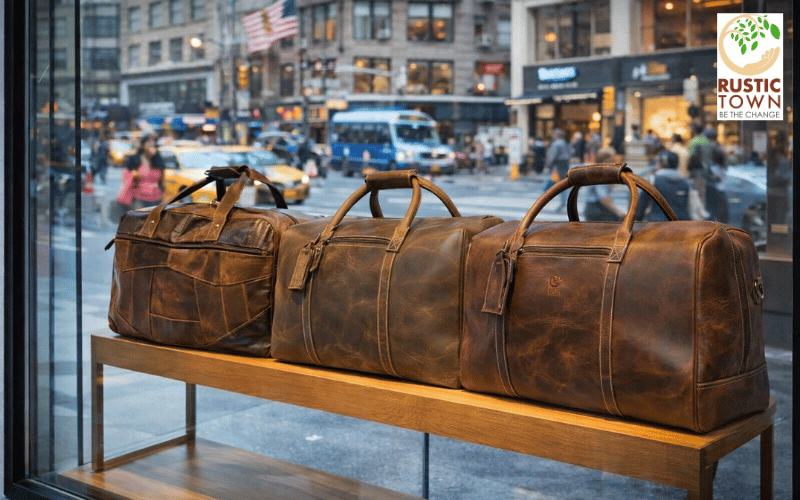
Full-grain leather advantages: The finest traditional briefcases use full-grain leather—the highest quality leather grade preserving the complete natural hide. Full-grain leather develops beautiful patina over years, becoming more attractive through use rather than deteriorating. It withstands daily professional use indefinitely with basic care. For briefcases accompanying you throughout your career, full-grain leather justifies premium investment through extraordinary longevity.
Identifying quality leather: Full-grain leather shows natural grain patterns with subtle variations rather than perfectly uniform appearance. It feels substantial and slightly textured. When pressed, it shows temporary indentation that quickly recovers. Quality leather has rich, natural smell rather than chemical odor. Examine briefcases in person when possible, handling the leather to assess quality through touch and inspection.
Color considerations: Classic brown tones—from light tan to rich chocolate—represent traditional briefcase colors conveying timeless professionalism. Black leather offers maximum formality appropriate for very conservative environments. Cognac or honey brown develops particularly attractive patina while maintaining professional appearance across industries. Choose colors aligning with your existing professional wardrobe and industry expectations.
Aging trajectory: Quality full-grain leather briefcases improve aesthetically over time. Initial stiffness gives way to supple flexibility. Color deepens and enriches. Natural marks and handling areas develop character without looking damaged. Plan to own your briefcase for 15-20+ years, so choose leather that will age beautifully rather than deteriorate.
Hardware and Security Features
Hardware quality determines both functionality and longevity. Traditional briefcases feature more hardware than casual bags, making quality especially important.
Lock mechanisms: If choosing a briefcase with locks, test the mechanism thoroughly. Combination locks should turn smoothly with clear number visibility and positive engagement. Key locks should operate smoothly without sticking. Cheap lock mechanisms frustrate daily use and fail within months; quality locks last decades. Consider whether you genuinely need lock security—for many professionals, reliable latches or magnetic closures suffice without lock complexity.
Handle construction: The top handle experiences tremendous stress. Examine how handles attach to the briefcase body—look for reinforced attachment points with multiple stitching passes, metal rivets, or internal reinforcement. The handle itself should feel substantial, not hollow or flimsy. Quality handles use thick leather or metal wrapped in leather, providing comfortable grip during extended carrying.
Latch and closure hardware: Traditional briefcases typically use metal latches, buckles, or sophisticated frame closure systems. Test these mechanisms—they should open and close smoothly with satisfying engagement. Cheap latches stick, misalign, or break; quality hardware operates perfectly from first use through decades of daily opening and closing.
Metal finish and material: Solid brass hardware develops attractive patina matching leather aging. Stainless steel maintains modern appearance without tarnish. Both materials last indefinitely. Avoid plated hardware where coating wears away revealing cheap metal underneath—this looks increasingly shabby over time rather than developing distinguished patina.
Interior Organization Matching Your Needs
How the briefcase organizes contents should match your specific professional requirements. Different careers demand different organizational schemes.
Document-focused organization: Lawyers and professionals handling substantial paper documents need briefcases with multiple file dividers creating separate sections for different cases, clients, or projects. Look for dividers that extend most of the briefcase height, preventing documents from sliding between sections. Some premium briefcases feature removable dividers allowing you to customize organization to your exact needs.
Technology-focused design: Professionals whose work centers on laptops and tablets need briefcases with exceptional padding and organization for cables, chargers, and accessories. Dedicated tech compartments should feature thick padding (minimum 0.5 inches), preferably with suspended design protecting laptops from bottom impacts. Cable management pockets or loops prevent tangling and keep accessories organized and accessible.
Hybrid organization: Many modern professionals carry both documents and technology. Hybrid briefcases balance both needs with padded laptop compartments alongside document sections. Examine how these briefcases prevent technology from contacting paper documents—you don't want laptop edges creasing important papers or metal components damaging files.
Accessory pockets: Small details matter for daily convenience. Pen loops keep writing instruments accessible and prevent ink marks on documents. Business card holders maintain cards in pristine condition. Zippered security pockets protect valuables like keys, wallet, and phone. Quick-access exterior pockets allow grabbing frequently needed items without opening main compartments.
Maintaining Your Traditional Briefcase
Traditional full-grain leather briefcases demand basic care ensuring they serve you for decades while developing beautiful patina. Proper maintenance isn't complicated but requires consistency.
Initial Care and Break-In
New briefcases benefit from protective treatment before first use and patient break-in allowing leather to soften naturally.
Pre-use protection: Apply quality leather protector spray before using your new briefcase. This creates protective barrier against water, stains, and grime while allowing leather to breathe. Test protector on inconspicuous areas first ensuring it doesn't darken leather unacceptably. Reapply protection every 3-4 months for ongoing defense against environmental exposure.
Break-in patience: New full-grain leather briefcases feel quite stiff initially—this is normal and actually indicates quality leather. Don't force the leather or overstuff the bag trying to accelerate break-in. Use your briefcase normally, and quality leather softens beautifully over 2-4 weeks of regular handling. The break-in period creates leather memory conforming specifically to your usage patterns.
Handle development: Top handles particularly require break-in. Initially stiff handles gradually conform to your grip through use. Avoid the temptation to apply excessive conditioner trying to soften handles faster—this can make leather limp and greasy. Natural use provides ideal break-in.
Regular Maintenance Routine
Consistent basic care prevents problems and maintains your briefcase in excellent condition indefinitely.
Daily dusting: Wipe your briefcase with a soft, dry cloth at the end of each day or week, removing accumulated dust before it embeds in leather grain. This 30-second habit prevents the gradual graying that comes from dirt buildup and keeps leather looking fresh.
Quarterly deep cleaning: Every 3-4 months, thoroughly clean your briefcase using specialized leather cleaner. Apply cleaner to a soft cloth (never directly to the bag) and wipe all surfaces using gentle circular motions. Pay particular attention to handles, edges, and areas that contact floors or other surfaces. After cleaning, wipe with a barely damp cloth to remove cleaner residue, then allow complete air drying away from heat sources.
Conditioning schedule: After cleaning and drying, condition your briefcase to replace natural oils and maintain leather suppleness. Apply small amounts of quality leather conditioner to a soft cloth and work into leather using circular motions. Allow absorption for 20-30 minutes, then buff with clean cloth to remove excess and create subtle sheen. Proper conditioning every 3-4 months prevents cracking and enables beautiful patina development.
Hardware maintenance: Periodically clean metal hardware with soft brush removing accumulated dust from crevices. This prevents grime buildup that can scratch leather or cause hardware corrosion. Check that all hardware—latches, locks, buckles—operates smoothly. If mechanisms stick or resist, apply tiny amounts of appropriate lubricant following manufacturer guidance.
Storage Best Practices
How you store your briefcase when not in use significantly affects its condition and longevity.
Shape maintenance: When storing briefcases for extended periods, stuff them lightly with acid-free tissue paper or clean fabric to maintain shape. Don't overstuff—the briefcase should hold its natural form, not be stretched. For daily storage between uses, setting the briefcase on a shelf or in a closet where it rests naturally typically suffices.
Environmental conditions: Store briefcases in cool, dry locations away from direct sunlight and heat sources. Avoid basements (moisture promotes mildew) and attics (heat extremes dry and crack leather). Climate-controlled spaces like bedroom closets provide ideal storage environments.
Dust protection: Use the breathable dust bag often provided with quality briefcases from makers like Rustic Town, or store briefcases in cotton pillowcases. Never use plastic bags which trap moisture causing mildew. Leather needs to breathe even during storage.
Positioning: Don't stack heavy items on top of briefcases in storage—this can deform structure and damage leather. If space constraints require stacking, place briefcases on top of heavier items, not underneath them.
For comprehensive leather care guidance including detailed conditioning techniques and problem-solving for common issues, see our complete leather messenger bag care guide. While focused on messenger bags, the leather care principles apply equally to briefcases and all leather goods.
The Traditional Briefcase in Modern Professional Life
Understanding how traditional briefcases fit into contemporary professional contexts helps you deploy them strategically for maximum impact.
When Traditional Briefcases Excel
Court appearances and legal proceedings: Courtrooms expect traditional professional presentation. Briefcases align perfectly with these formal environments, supporting your professional credibility.
Client-facing presentations: First meetings with new clients, formal business proposals, and high-stakes negotiations benefit from the authority traditional briefcases project. In competitive situations where multiple firms vie for business, professional appearance including your briefcase influences client decisions.
Executive meetings: Board meetings, shareholder presentations, and senior leadership contexts maintain formal cultures where traditional briefcases remain standard equipment. Arriving with casual bags can appear insufficiently serious for executive-level business.
Conservative industries: Law, finance, medicine, and established professional services maintain relatively traditional appearance standards. Briefcases fit naturally into these environments, signaling cultural alignment and professional seriousness.
Important occasions: Even if you typically carry casual bags, certain occasions—job interviews at conservative firms, major contract negotiations, formal business dinners—warrant traditional briefcases' enhanced formality and professional projection.
When Alternatives May Serve Better
Daily long-distance commuting: If your typical commute involves extensive walking, public transit, or cycling, messenger bags or backpack-style laptop bags provide superior carrying comfort. Traditional briefcases excel at projecting professional image but challenge during extended physical carrying.
Very casual work environments: Startups, creative agencies, and some tech companies embrace casual culture where traditional briefcases may appear incongruously formal. Messenger bags or modern laptop bags often fit these environments better. However, quality leather in any style typically works—the material conveys quality regardless of format.
Minimalist technology-only carrying: If you genuinely carry only a laptop and minimal accessories daily, slim laptop sleeves or modern laptop bags may serve better than traditional briefcases designed around document carrying.
Active, mobile work styles: Professionals constantly moving between locations, working from coffee shops, or managing very dynamic schedules may prefer messenger bags' cross-body convenience over briefcases' top-handle style.
Building a Complete Professional Bag System
Many professionals benefit from owning both traditional briefcases and modern alternatives, using each for appropriate situations.
The strategic approach: Own a traditional briefcase for important client meetings, court appearances, and formal business occasions. Supplement with a messenger bag or modern laptop bag for daily commuting and standard office work. This two-bag system ensures you always have the appropriate tool for each professional context.
Investment sequencing: If budget constrains immediate purchase of multiple bags, prioritize based on your most common professional needs. Lawyers in litigation or consultants with frequent formal client presentations might invest in briefcases first. Professionals with casual daily environments but occasional formal needs might start with messenger bags and add briefcases as secondary purchases.
Quality over quantity: Two excellent leather bags—one traditional briefcase, one modern messenger or laptop bag—serve you better than five mediocre alternatives. Quality leather from reputable makers lasts decades, making the investment worthwhile even when spread across multiple bag styles.
Conclusion: The Enduring Value of Classic Design
The traditional leather briefcase persists in professional environments not through stubborn adherence to outdated conventions but because its fundamental design continues serving specific professional needs better than modern alternatives. For lawyers carrying case files into formal legal proceedings, doctors transporting patient records while maintaining authority and trustworthiness, executives projecting leadership in boardrooms, and consultants establishing credibility with demanding clients, the structured briefcase communicates professional competence through visual language understood across cultures and generations.
While casual work environments and contemporary bag styles have their place, situations demanding maximum professional gravitas—the courtroom, the boardroom, the high-stakes client presentation—continue rewarding traditional briefcase choices. The right briefcase becomes more than a bag; it's a trusted professional partner accompanying you through career milestones, client victories, and leadership moments. Quality full-grain leather construction ensures your briefcase improves with age rather than deteriorating, developing rich patina and character that new bags cannot replicate while serving you reliably for 20-30+ years of daily professional use.
Choosing a traditional leather briefcase with appropriate size for your carrying needs, full-grain leather quality ensuring longevity, secure closures protecting confidential materials, and thoughtful organization matching your specific professional requirements represents an investment in your professional image and daily functionality.
With basic care through regular cleaning and conditioning, your briefcase will outlast temporary trends, serve you throughout your career progression from junior professional to senior leadership, and potentially become a cherished item you eventually pass to the next generation embarking on their professional journey.
The traditional briefcase endures because excellent design, quality materials, and genuine utility never go out of style—they simply become classics that each generation rediscovers and appreciates anew.