

Why a Leather Duffle Bag Remains the Traveler's Best Friend
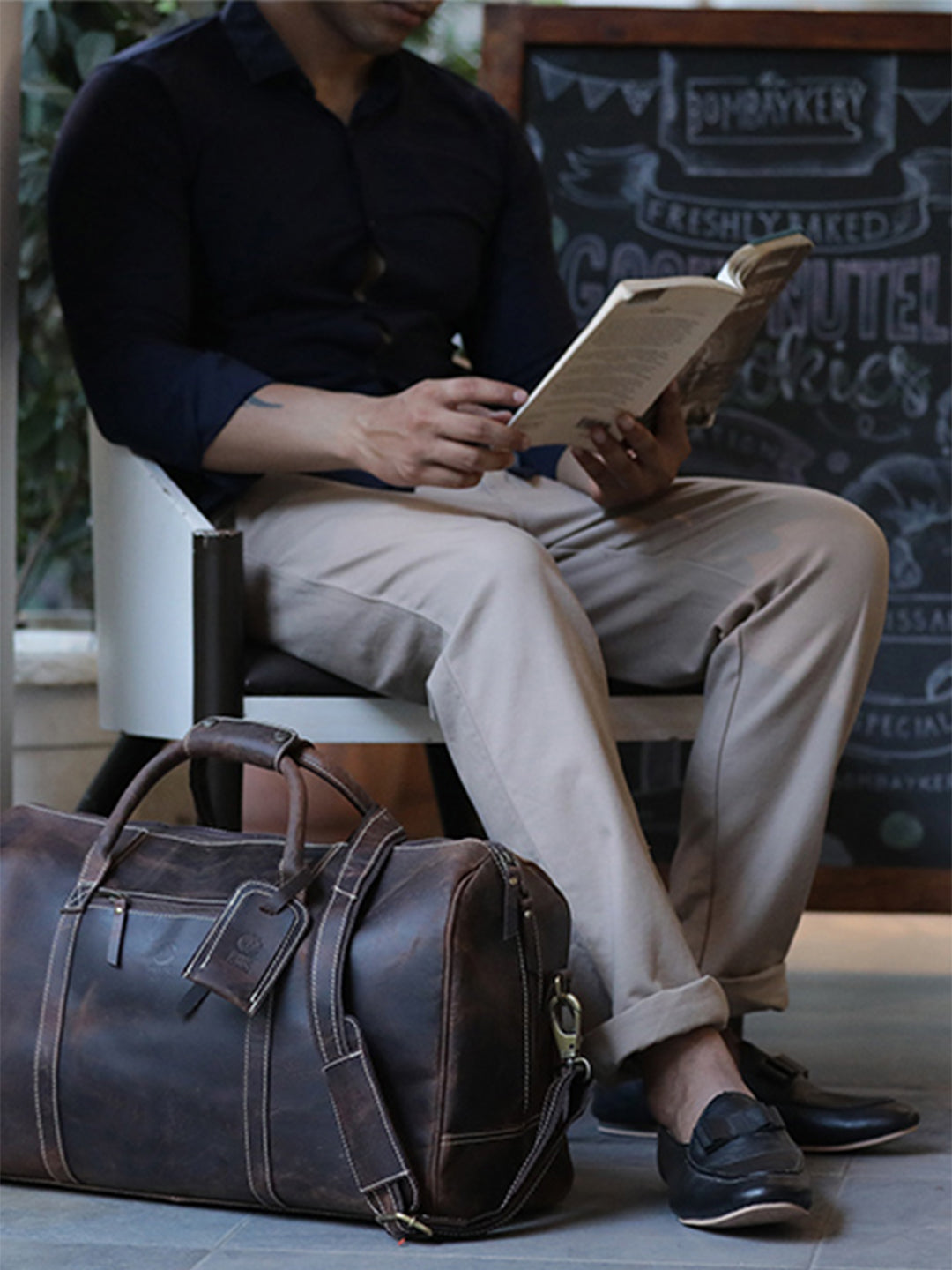
There's something honest about a well-worn leather duffle bag.
Not the pristine, fresh-off-the-shelf kind. I'm talking about the one that's been to three continents, survived a dozen airports, and still looks better than most luggage half its age.
After 25+ years working with business owners and entrepreneurs who actually travel - not just talk about it - I've noticed a pattern. The ones who invest in quality leather bags aren't chasing trends. They're chasing reliability.
A vintage leather duffle bag tells a story. Your story. Every scuff mark from that taxi in Rome. Every patina shift from the coastal humidity in Bali. That's not damage. That's character earned through miles lived, not just traveled.
But here's where most buying guides fail you: they treat all leather duffle bags like they're the same. They're not.
Understanding What Makes a Quality Leather Duffle Bag
The leather industry has a dirty secret.
Most "leather" bags you see online aren't what you think. They're composite materials, bonded scraps, or worse - glorified plastic with a leather smell sprayed on.
Real leather—the kind that lasts decades—comes in three main categories that actually matter:
Full-grain leather: This is the top layer of the hide, completely unaltered. It's what your grandfather's briefcase was made from. It's what a proper handmade leather duffle bag should use. Expensive? Yes. Worth it? Absolutely.
Top-grain leather: The second-best option. The hide's top layer gets lightly sanded to remove imperfections, then refinished. Still durable, slightly more affordable. Most quality travel leather duffel bags use this.
Genuine leather: Here's where marketing gets sneaky. "Genuine" sounds premium, but it's actually the lowest grade of real leather. Layers beneath the top grain, chemically treated to hell and back. If you're buying a faux leather duffle bag instead, you're probably getting similar durability at a fraction of the price—at least the faux leather doesn't pretend to be something it's not.
The lesson? Don't trust labels. Trust construction.
The Rise of the Travel Leather Duffle Bag with Shoe Compartment
Let's talk about the game-changer: shoe compartments.
I remember the first time I saw a leather duffle bag with shoe compartment in action. A founder I was consulting with pulled his gym shoes out of a separate ventilated section, away from his change of clothes and laptop.
Genius. Simple. Obvious in hindsight.
Here's why this matters more than you think:
Hygiene: Your worn running shoes don't touch your fresh shirt. Revolutionary concept, apparently.
Organization: No more digging through your entire bag at airport security. Shoes stay shoes. Clothes stay clothes.
Versatility: Weekend trip? Business conference with a morning run? Gym session after your flight? The men's leather duffle bag with shoe compartment handles all of it without looking like you're trying too hard.
Modern Rustic Town leather bags have refined this concept. The best designs integrate the shoe compartment without compromising the bag's classic silhouette. You get function without sacrificing form.
That's rare in luggage design.
Large Duffle Bags: When Size Actually Matters
Most people buy bags too small.
Then they complain about airline fees for checking extra luggage, or they stuff their bag until the seams scream for mercy.
An x-large duffle bag isn't about excess. It's about options.
Think about it: Would you rather have extra space you don't use, or need space you don't have? The answer seems obvious until you're trying to fit three days of winter clothes plus gifts into a bag designed for a beach weekend.
The smart move? Go larger than you think you need, especially if you're considering a travel leather duffle bag as your primary luggage. Here's why:
Adaptability: Weekend trips use half the bag. Week-long adventures fill it. Same bag, different needs.
Compression: Quality leather compresses when half-full. An oversized rigid suitcase just looks empty and awkward.
Lifespan: Overstuffing leather bags strains stitching and hardware. A properly sized (read: bigger) bag lasts exponentially longer.
But—and this matters—size only works when weight is managed. Which brings us to construction.
Handmade vs. Mass-Produced: The Craftsmanship Question
I've held hundreds of leather bags.
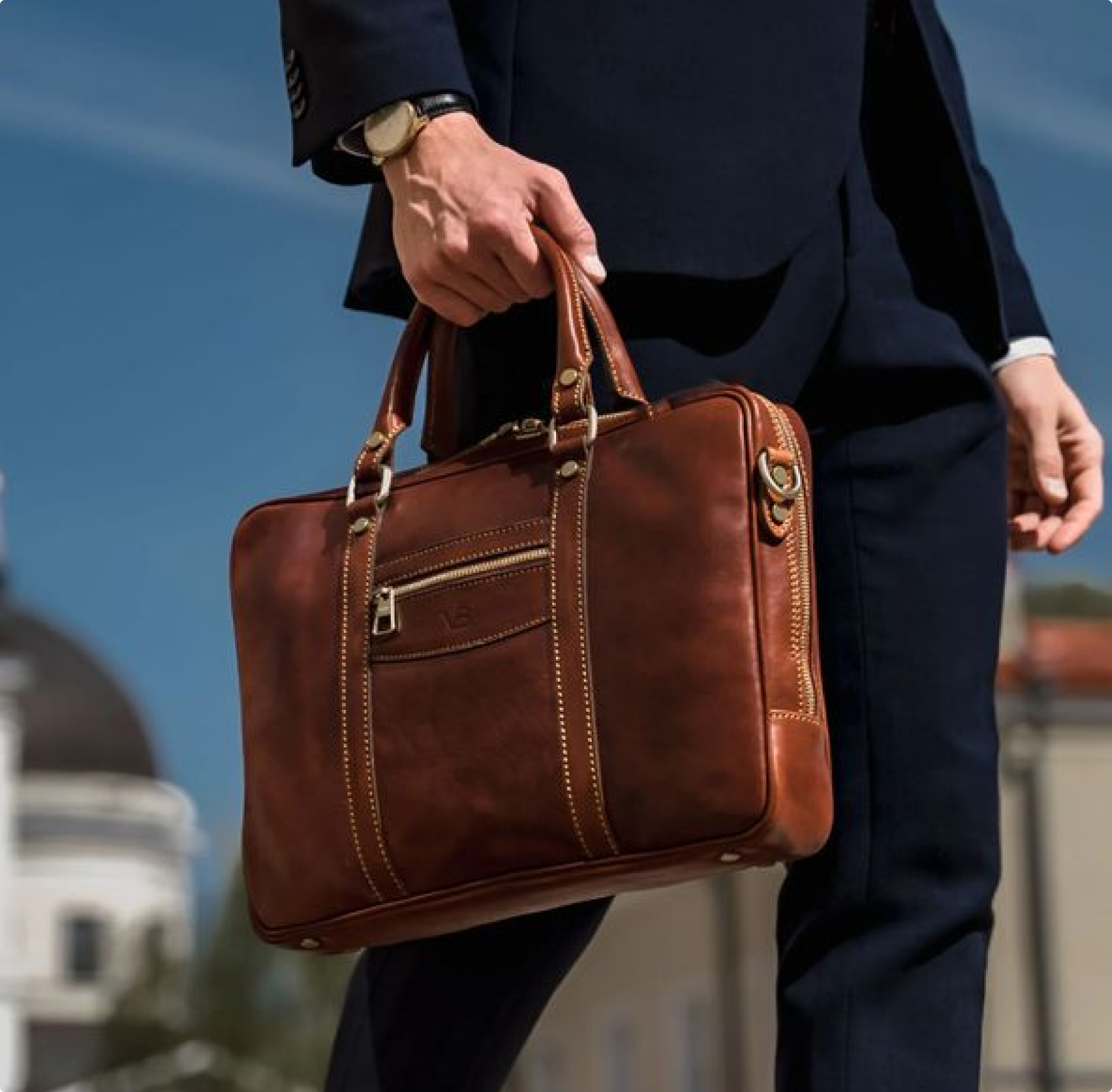
You can feel the difference between a handmade leather duffle bag and a factory line product within seconds.
The stitching tells the story. Machine stitching looks perfect—too perfect. Robotically even. It's also weaker at stress points because machines can't adjust tension based on leather thickness.
Hand-stitched bags use saddle stitching: two needles, one thread, locked at every stitch. If one stitch breaks, the rest hold. Machine stitching? One break and the whole seam can unravel.
Then there's the leather selection itself.
Craftsmen making rustic leather duffle bags select hides individually. They work around natural variations—that scar from a fence, that color variation from the animal's diet. Factory production cuts rectangles from whatever hide is cheapest that month.
The result? Every handmade bag is slightly unique. Same design, different personality.
Is it worth the premium? Depends on your values. If you buy bags every few years, probably not. If you want something that lasts twenty years and looks better with age, absolutely.
Vintage Leather Duffle Bags: Timeless Style That Actually Works
Vintage isn't just aesthetic nostalgia.
A real vintage leather duffle from the 60s or 70s often outlasts modern bags because leather quality standards were different. Tanning processes were slower. Chemicals were fewer. The leather had time to cure properly.
That said, buying actual vintage comes with challenges:
Condition varies wildly. That patina could be beautiful aging or it could be rot disguised as character.
Hardware might be obsolete. Good luck finding replacement brass fittings from 1968.
Sizing is inconsistent. Vintage measurements don't match modern airline carry-on requirements.
The smart alternative? Modern bags with vintage design language.
A well-made contemporary vintage leather duffle bag gives you the aesthetic without the risk. You get period-correct brass hardware that's actually replaceable. You get leather that looks aged but isn't compromised. You get romance with reliability.
Rustic Town specializes in this exact approach—vintage craftsmanship meets modern durability standards.
Specialty Bags: From King Ranch to Jordan Leather Duffle Bags
Let's address the elephant in the luggage carousel: branded bags.
A king ranch duffle bag or jordan leather duffle bag comes with heritage. You're paying for name recognition, specific design ethos, and usually a story about Texas cattle ranching or basketball legacy.
Nothing wrong with that - if that story resonates with your identity.
But here's the business truth nobody in marketing wants to admit: the leather quality often isn't proportional to the price premium. You're buying the brand, not necessarily superior craftsmanship.
Same with an orvis leather duffle bag. Orvis built their reputation on fly fishing gear. Their bags carry that outdoor heritage aesthetic. Beautiful stuff. Premium pricing. But the leather itself? Often comparable to well-made artisan bags at half the cost.
The question isn't "Is it worth it?" The question is: "What am I actually paying for?"
If brand heritage matters to you, buy it guilt-free. If durability and function matter more, look at construction details instead of logos.
Faux Leather: When It Makes Sense (And When It Doesn't)
Controversial opinion: faux leather duffle bags aren't evil.
They're just misrepresented.
A quality faux leather duffel bag or patent leather duffle bag serves specific needs:
Budget constraints: Not everyone can drop $400 on luggage. A well-made synthetic bag beats a terrible "genuine leather" bag every time.
Animal welfare: Some people don't want animal products. That's a valid choice worth respecting.
Specific aesthetics: Patent leather's glossy finish is hard to achieve with natural leather. If you want that look, synthetic is often better.
Weather resistance: Faux leather handles rain better than untreated natural leather. For tropical travel, that matters.
Where faux leather fails: longevity and patina.
Synthetic materials don't age gracefully. They crack, peel, and degrade. A $100 faux leather bag might last three years. A $400 real leather bag lasts twenty. The math works out differently depending on your time horizon.
What to Look For: Your Leather Duffle Bag Buying Checklist
Forget flowery product descriptions. Here's what actually matters:
Stitching quality: Look for tight, even stitches. Saddle stitching is a premium indicator. Check stress points—where straps connect to the body.
Hardware weight: Lift the zippers and buckles. Heavy, solid metal hardware lasts. Lightweight alloy fails. Simple test: if it feels cheap, it is cheap.
Leather thickness: Press the leather. It should feel substantial, not flimsy. For travel leather duffel bags, you want 2-3mm thickness minimum.
Interior lining: Quality bags use durable canvas or cotton lining. Cheap polyester tears within months.
Smell test: Real leather smells earthy, organic. Synthetic smells chemical. If it smells like a tire factory, it's not what you think.
Bottom structure: The bag's bottom should have reinforcement—extra leather layer or metal feet. This prevents wear from airport floors.
Compartment logic: For bags advertising a rustic leather duffle bag with shoe compartment, check the ventilation. Sealed compartments trap moisture and smell.
Care and Maintenance: Making Your Investment Last
Here's where most people waste their money.
They buy a premium handmade leather duffle bag, then treat it like disposable luggage.
Leather is skin. Treat it like you'd treat your own skin - occasional cleaning, regular conditioning, protection from extreme conditions.
Monthly routine: Wipe down with a slightly damp cloth. Let it dry naturally. Apply leather conditioner to prevent drying and cracking.
After travel: Empty completely. Air it out. Check for scratches or scuffs that need treatment.
Storage: Never in plastic bags. Leather needs to breathe. Use cotton dust bags or just store it openly in a dry space.
Water exposure: If your bag gets wet, let it dry slowly at room temperature. Never use heat sources—that causes cracking.
Stain treatment: Act fast. Blot (don't rub) liquid spills. For oil-based stains, use cornstarch to absorb, then leather cleaner.
Do this right, and your vintage leather duffle style bag becomes an actual vintage piece your kids inherit.
The Real Cost of Quality
Let's talk numbers honestly.
A quality men's leather duffle bag with shoe compartment ranges from $300-$600 for artisan-made pieces. Designer brands push $800-$1,500.
Expensive? Sure.
But compare it to the alternative: buying a $100 bag every two years for twenty years. That's $1,000 spent on mediocrity.
The quality bag costs $500 and lasts twenty-plus years. Total cost: $500.
Plus, the quality bag actually improves with age while the cheap replacement gets progressively worse with each iteration of cost-cutting manufacturing.
This isn't justification—it's math.
Final Thoughts: Buy Once, Buy Right
The leather duffle bag market is flooded with options.
Too many options, really.
But the decision matrix is simpler than it looks:
If you travel frequently and value durability, invest in full-grain or top-grain leather from reputable craftsmen.
If you need specific features like shoe compartments, prioritize function without sacrificing quality.
If budget is tight, buy the best faux leather duffel bag you can afford—just be honest about its limitations.
And if vintage aesthetics call to you, find modern makers who honor traditional techniques without the vintage maintenance headaches.
Your bag carries more than clothes. It carries your professional image, your personal style, and your commitment to quality over convenience.
Choose accordingly.