



Messenger Bag Materials Compared: Leather vs. Canvas vs. Nylon
Leather Messenger Bags: The Premium Choice
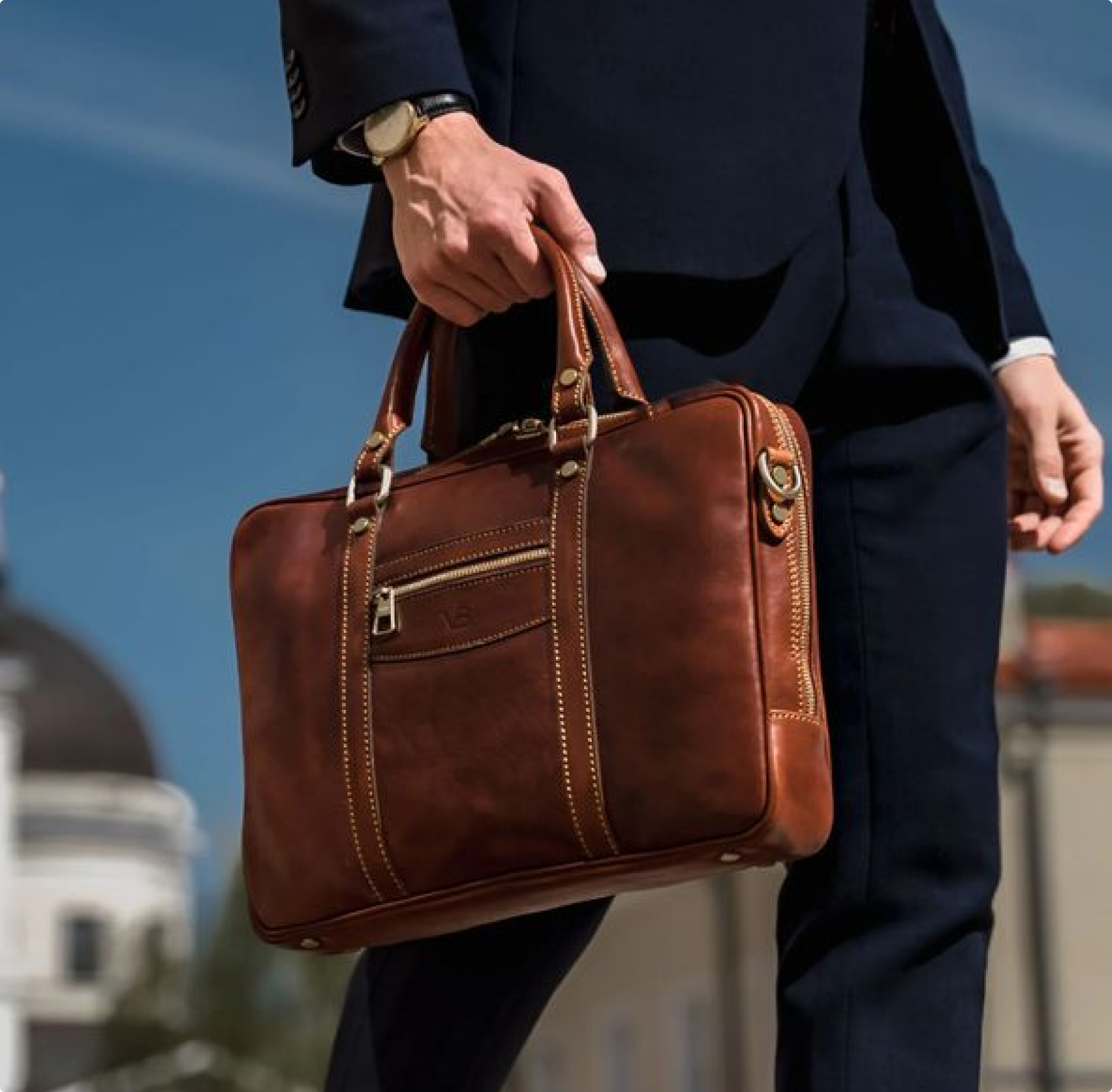
Leather has been the gold standard for quality bags for centuries, and for good reason. A well-made leather messenger bag offers unique characteristics that synthetic materials struggle to replicate, making it the preferred choice for professionals prioritizing longevity, appearance, and investment value.
Types of Leather Used in Messenger Bags
Not all leather messenger bags are created equal. Understanding leather grades helps you evaluate quality and set appropriate expectations.
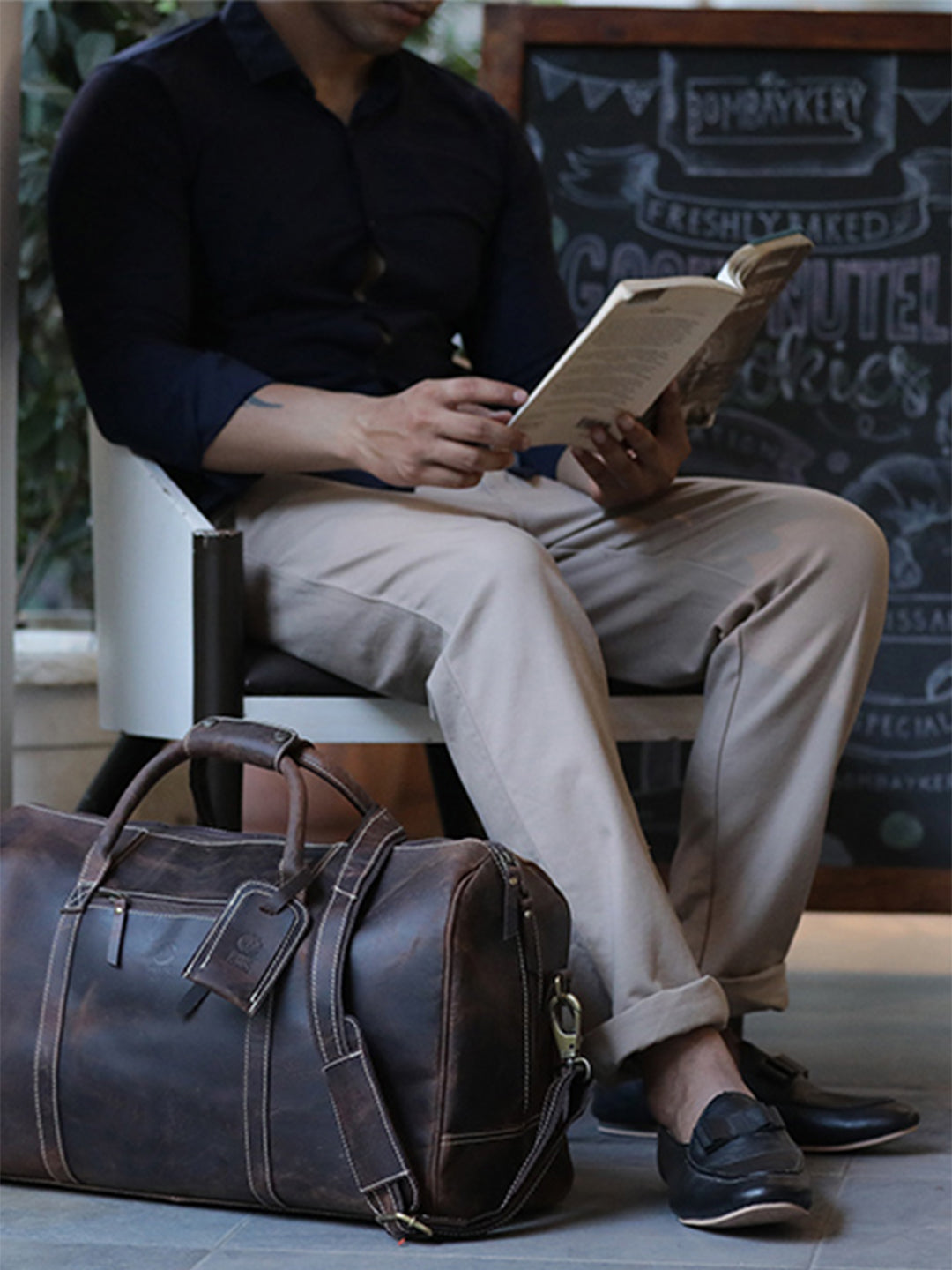
Full-grain leather represents the highest quality, using the complete hide with the natural grain intact. This leather shows natural variations, markings, and character that make each bag unique. Full-grain leather is extremely durable, develops rich patina over time, and actually becomes more beautiful with age. Premium makers like Rustic Town typically use full-grain leather for their messenger bags because it offers superior longevity and aesthetic development.
Top-grain leather is slightly processed to remove minor imperfections from the surface. It's more uniform in appearance than full-grain but still offers excellent durability and attractive aging. Top-grain leather costs less than full-grain while providing most of the same benefits, making it a popular choice for quality messenger bags at accessible price points.
Genuine leather is the lowest grade still marketed as "real leather." It uses leather scraps bonded together, resulting in material that deteriorates faster and doesn't develop attractive patina. Genuine leather messenger bags may seem economical initially but often require replacement within a few years.
Specialty leathers like distressed, oiled, or waxed leather offer specific aesthetic and performance characteristics. Distressed leather shows intentional aging for vintage appearance. Oiled leather resists water better. Waxed leather provides additional protection and develops unique patina.

Advantages of Leather Messenger Bags
Leather offers compelling benefits that explain its enduring popularity for messenger bags across generations and cultures.
Longevity and durability: Quality leather messenger bags easily last 10-20+ years with basic care. The material withstands daily use, resists tearing, and maintains structural integrity far longer than canvas or nylon. This longevity means lower long-term cost despite higher initial investment.
Aging as improvement: Unlike materials that deteriorate from new condition, leather develops patina—natural darkening, softening, and character development that makes bags more attractive over time. Scratches and scuffs add character rather than looking like damage. A five-year-old leather messenger bag often looks better than when new.
Professional appearance: Leather conveys quality, sophistication, and professionalism across virtually all work environments. Whether in traditional corporate offices or creative agencies, leather messenger bags appear intentional and polished. The material signals investment in quality and attention to detail.
Repairability: Leather can be professionally restored, restitched, and refinished. Worn areas can be treated, broken straps replaced, and hardware updated. This repairability extends bag life significantly and maintains appearance over decades.
Tactile satisfaction: Leather feels substantial and pleasant to handle. The material develops familiar textures and characteristics through use, creating emotional connection to the object. Your leather messenger bag becomes a trusted companion through daily tactile interaction.
Natural water resistance: While not waterproof, leather naturally resists light rain and moisture. Treated leather increases this resistance. Compared to untreated canvas, leather better protects contents from typical weather exposure.
Timeless aesthetic: Leather styling doesn't date quickly. A well-designed leather messenger bag purchased today will look appropriate in ten years. The classic material transcends temporary trends, making it a safe long-term investment.

Disadvantages of Leather Messenger Bags
Honesty requires acknowledging leather's limitations so you can make informed decisions based on complete information.
Higher initial cost: Quality leather messenger bags cost significantly more than canvas or nylon alternatives. Expect to invest $200-500+ for bags that will last decades versus $50-150 for synthetic options lasting a few years. The higher upfront cost represents a barrier despite superior long-term value.
Heavier weight: Leather weighs more than synthetic materials. A leather messenger bag might weigh 2-3 pounds empty versus 1 pound for equivalent nylon bags. For people with back or shoulder concerns, or those commuting long distances, this weight difference matters.
Maintenance requirements: Leather needs periodic conditioning to prevent drying and cracking. It requires protection from excessive moisture and direct heat. While maintenance isn't difficult—conditioning every few months takes minutes—it's more than the zero maintenance nylon requires.
Break-in period: New leather can feel stiff and rigid. Quality leather softens beautifully over weeks or months of use, but initially it lacks the immediate flexibility of canvas or nylon. Some people love this break-in process; others find it annoying.
Variable weather performance: While leather handles light rain, heavy downpours can saturate and potentially stain it. Extreme heat can dry leather out. Very cold temperatures can make it temporarily stiff. Weather extremes require more consideration than with synthetic materials.
Ethical considerations: Some people avoid animal products for ethical reasons. While leather is a byproduct of meat industry rather than primary purpose, it still involves animal use. Ethical concerns may outweigh practical benefits for some individuals.
Best Uses for Leather Messenger Bags
Leather messenger bags excel in specific situations and for particular user profiles:
- Professional environments requiring polished appearance
- Business casual to business professional dress codes
- Long-term investment when you want one bag lasting decades
- Style-conscious professionals valuing aesthetic development over time
- Moderate commutes where weight isn't critical concern
- Primarily indoor use with occasional weather exposure
- Client-facing roles where bag appearance impacts professional image
- Quality-over-quantity mindset preferring fewer, better possessions
Canvas Messenger Bags: The Rugged Classic
Canvas messenger bags offer the authentic courier aesthetic that originally defined the style. This durable fabric combines practical benefits with casual cool that appeals to certain users and situations.
Understanding Canvas Types and Quality
Canvas quality varies enormously, affecting performance and longevity. Not all canvas messenger bags provide equal durability.
Waxed canvas features fabric treated with wax for water resistance and durability. This creates slightly stiffer material with attractive weathered appearance. Waxed canvas develops character through use, showing wear patterns and aging somewhat like leather. It offers the best weather resistance among canvas options.
Duck canvas is tightly woven cotton fabric known for exceptional durability. Originally used for sails, duck canvas withstands heavy use and abrasion. It's softer than waxed canvas and more flexible, though less water-resistant.
Cotton canvas in various weights provides the most affordable option. Lighter weights (8-10 oz) suit casual use but wear faster. Heavier weights (12-16 oz) offer durability approaching duck canvas at lower cost.
Synthetic blend canvas incorporates polyester or nylon fibers for increased strength and faster drying. These blends sacrifice some of canvas's natural aesthetic for improved practical performance.

Advantages of Canvas Messenger Bags
Canvas brings specific strengths that make it the right choice for many users and situations.
Authentic style: Canvas messenger bags most closely resemble original courier bags, providing authentic vintage aesthetic. For people drawn to utilitarian, working-class style, canvas delivers that aesthetic better than leather or nylon.
Lighter weight: Canvas weighs significantly less than leather while offering substantial durability. This matters for long commutes, cycling, or anyone sensitive to carrying weight.
Lower cost: Quality canvas messenger bags cost $75-200, making them accessible to more buyers than premium leather options. This allows experimentation with style without major financial commitment.
Casual appropriate: Canvas fits perfectly in relaxed work environments, creative industries, and casual settings where leather might feel too formal. It signals laid-back professionalism without corporate stuffiness.
Breathability: Natural canvas breathes, reducing interior condensation and odor buildup. Electronic devices don't get as hot in canvas as in synthetic materials. This matters for laptop bags used in warm climates.
Customization friendly: Canvas accepts patches, pins, embroidery, and other customization that personalizes bags. Creative professionals and students often appreciate this personalization potential.
Break-in comfort: Canvas feels comfortable immediately without requiring a break-in period. New canvas bags are ready for comfortable daily use from day one.
Disadvantages of Canvas Messenger Bags
Canvas limitations mean it's not the ideal choice for everyone or every situation.
Shorter lifespan: Even heavy-duty canvas typically lasts 3-7 years with daily use before showing significant wear. This is substantially less than quality leather's 15-20+ year lifespan. Over decades, canvas costs more through repeated replacement.
Water vulnerability: Untreated canvas absorbs water readily, potentially soaking contents during rain. Waxed canvas resists water better but still isn't waterproof. Canvas messenger bags require rain covers or careful weather monitoring.
Staining susceptibility: Canvas shows stains prominently and cleaning can be difficult. Coffee spills, ink marks, and dirt accumulate visibly. While some consider this authentic wear, others find it sloppy-looking.
Less professional appearance: Canvas reads casual rather than polished. In traditional business environments or formal client meetings, canvas messenger bags may appear insufficiently professional. They work for creative industries but not conservative corporations.
Aging as deterioration: Unlike leather's attractive patina, canvas aging typically means fading, fraying, and accumulated stains. Worn canvas looks used rather than distinguished. This aging may be aesthetically desirable for some but not for professional contexts.
Mildew risk: Canvas can develop mildew if stored damp or in humid environments. This requires awareness and proper drying after wet exposure—more maintenance than the material's casual nature suggests.
Best Uses for Canvas Messenger Bags
Canvas messenger bags work excellently for:
- Casual work environments embracing relaxed professionalism
- Creative industries where authentic, utilitarian style fits cultural expectations
- Students and young professionals building careers without large accessory budgets
- Cycling and active commuting where lighter weight improves comfort
- Weekend and casual use complementing jeans and casual clothing
- Personalization enthusiasts wanting to customize bags with patches or pins
- Environmental weather protection where primarily dry-climate use is expected
- Budget-conscious buyers prioritizing cost over maximum longevity
Nylon Messenger Bags: The Modern Performer
Nylon represents modern engineering applied to messenger bag design. This synthetic material prioritizes technical performance over traditional aesthetics.
Nylon Variations and Technical Specifications
Nylon quality and specifications significantly affect performance. Understanding variations helps evaluate options.
Ballistic nylon (1050 denier) offers extreme durability originally developed for military applications. It resists abrasion and tearing exceptionally well. Ballistic nylon messenger bags withstand harsh conditions and heavy use while remaining relatively lightweight.
Cordura nylon is a branded fabric known for exceptional strength and abrasion resistance. Many high-end nylon messenger bags use Cordura for proven performance. It costs more than standard nylon but delivers superior longevity.
Ripstop nylon features reinforcing threads in crosshatch patterns preventing tears from spreading. This makes the material more tear-resistant despite lighter weight. Ripstop works well for minimalist bags prioritizing weight reduction.
Coated nylon adds polyurethane or similar coatings for waterproofing. This creates truly weatherproof bags protecting contents in heavy rain. The coating slightly stiffens material and can crack over time with extensive flexing.
Denier ratings indicate thread thickness and fabric weight. Higher denier (1000+) means heavier, more durable fabric. Lower denier (200-500) creates lighter, more packable bags with reduced durability.
Advantages of Nylon Messenger Bags
Nylon brings practical benefits that make it ideal for specific uses and user priorities.
Lightweight construction: Nylon messenger bags weigh substantially less than leather or canvas equivalents. This dramatically improves comfort during long commutes, cycling, or extensive walking. Weight-conscious users strongly prefer nylon.
Weather resistance: Coated nylon provides genuine waterproofing protecting electronics and documents in heavy rain. This eliminates weather anxiety during commutes and travel. For daily cyclists or rainy climate residents, this advantage is enormous.
Low maintenance: Nylon requires essentially zero maintenance. Wipe clean with damp cloth when dirty; that's it. No conditioning, no special treatments, no break-in. This suits busy people wanting functional bags without care responsibilities.
Durability in specific conditions: While nylon doesn't develop attractive aging like leather, it resists specific damage well. Abrasion, tearing, and moisture don't harm quality nylon. It maintains functional integrity through harsh use.
Quick drying: If nylon gets wet, it dries rapidly compared to canvas or leather. This matters for commuters caught in rain—your bag won't stay damp all day creating mildew risks or discomfort.
Modern aesthetic: Nylon's technical appearance suits contemporary, minimalist, or tech-forward environments. In Silicon Valley startups or modern design firms, nylon messenger bags fit cultural aesthetic better than traditional leather.
Color options: Nylon accepts synthetic dyes readily, offering messenger bags in virtually any color. This allows personal expression and coordination with specific wardrobes beyond traditional brown and black.
Affordable performance: Quality nylon messenger bags cost $60-180, offering excellent performance-per-dollar. You get weather resistance and durability at prices accessible to most budgets.
Disadvantages of Nylon Messenger Bags
Nylon's practical strengths come with notable aesthetic and cultural limitations.
Casual appearance: Nylon reads technical and casual rather than refined or professional. In traditional business environments or client-facing roles, nylon messenger bags may appear insufficiently polished. They work for tech and creative industries but not conservative professions.
Aging without character: Nylon doesn't develop attractive patina—it simply wears out. Worn nylon looks tired and dated rather than distinguished. Five-year-old nylon bags look worse than new, opposite of leather's improvement trajectory.
Environmental concerns: Nylon is petroleum-based plastic requiring significant energy to produce. It doesn't biodegrade and recycling is limited. For environmentally conscious consumers, this presents ethical concerns despite practical performance.
Less tactile appeal: Nylon feels synthetic and technical rather than natural and substantial. It lacks the sensory satisfaction of leather's warmth or canvas's texture. The material doesn't create emotional connection through touch and use.
Heat retention: Nylon can trap heat around laptops and devices more than breathable natural materials. In hot environments, this potentially affects electronics and creates interior temperature buildup.
Static electricity: Synthetic materials generate static, potentially attracting dust and lint. This is minor annoyance rather than serious problem but affects appearance maintenance.
Style limitation: Nylon's technical aesthetic limits versatility across clothing styles. It pairs well with casual or athletic clothing but clashes with dressier business casual or formal styles.
Best Uses for Nylon Messenger Bags
Nylon messenger bags excel for:
- Daily cycling commuters prioritizing weather resistance and light weight
- Tech industry professionals where technical aesthetic fits cultural norms
- Rainy climate residents needing reliable waterproof protection
- Active lifestyles involving outdoor activities, running between locations, or physical movement
- Travel bags where weight, packability, and weather resistance matter most
- Low-maintenance preference wanting zero-care bags
- Color expression desiring options beyond traditional leather tones
- Budget performance maximizing practical function per dollar spent
Direct Material Comparison: Head-to-Head Analysis
Understanding how these materials compare directly across key dimensions helps clarify which best matches your priorities.
Durability and Longevity
Winner: Leather – Quality leather messenger bags last 15-20+ years easily, often becoming family heirlooms. With basic care, leather outlasts both canvas and nylon significantly.
Runner-up: Nylon – High-quality ballistic or Cordura nylon provides 8-12 years of functional use before material degradation becomes problematic. Waterproofing coatings may crack earlier but can be reapplied.
Third: Canvas – Even heavy-duty canvas typically yields 4-7 years of daily use before fraying, staining, and structural wear require replacement. Waxed canvas lasts longer but still falls short of leather or premium nylon.
Weather Resistance
Winner: Nylon – Coated nylon provides genuine waterproofing that protects contents in heavy rain without special treatments. Nothing matches nylon's weather performance.
Runner-up: Leather – Quality leather treated with water repellent handles light rain well and resists moisture reasonably. Not waterproof but adequate for typical weather exposure with awareness.
Third: Canvas – Untreated canvas soaks water readily. Waxed canvas improves resistance but still isn't waterproof. Canvas requires vigilance during weather and often needs supplemental rain covers.
Professional Appearance
Winner: Leather – Leather messenger bags project polish, quality, and sophistication appropriate for virtually any professional environment from creative to corporate.
Runner-up: Canvas – Works well for creative industries and relaxed offices but appears too casual for traditional business settings or formal client meetings.
Third: Nylon – Technical aesthetic suits modern tech environments but appears inappropriate for traditional professional contexts. Limited professional versatility.
Weight
Winner: Nylon – Lightest option by significant margin. Makes substantial difference for long commutes, cycling, or anyone weight-conscious.
Runner-up: Canvas – Meaningfully lighter than leather while maintaining reasonable substance. Good compromise for those wanting natural material without leather weight.
Third: Leather – Heaviest material, though weight varies by leather type and thickness. This matters most for extended wear or people with physical concerns.
Cost and Value
Best long-term value: Leather – Despite $250-500 initial cost, 20-year lifespan means annual cost of $12.50-25. Maintains appearance and function throughout, potentially gaining value as vintage piece.
Best budget option: Canvas – $75-180 provides several years of good use. Replacing every 5 years still costs less over decades than leather, though accumulated cost eventually exceeds quality leather investment.
Middle ground: Nylon – $80-200 for 10-year lifespan offers reasonable value. Not cheapest initially but durability provides good cost-per-year especially given weather resistance and low maintenance.
Maintenance Requirements
Winner: Nylon – Essentially zero maintenance beyond occasional wiping clean. Perfect for people wanting function without responsibility.
Runner-up: Canvas – Minimal maintenance though stain removal requires attention and periodic rewaxing helps waxed canvas. Still relatively low-commitment.
Third: Leather – Requires periodic conditioning, water repellent treatment, and awareness of weather exposure. Not difficult but most demanding of the three materials.
Environmental Impact
Winner: Leather – Natural material, biodegradable, often byproduct of meat industry rather than separate animal raising. Longevity reduces consumption frequency. Concerns about tanning chemicals and water use exist but overall impact favorable for quality leather from makers like Rustic Town using traditional methods.
Runner-up: Canvas – Natural cotton or hemp fiber, biodegradable, renewable resource. Concerns about agricultural water use and pesticides in conventional cotton. Organic canvas improves environmental profile. Shorter lifespan means more frequent replacement increasing cumulative impact.
Third: Nylon – Petroleum-derived plastic requiring significant energy production. Non-biodegradable, limited recycling. Durability partially offsets production impact but fundamental material concerns remain for environmentally conscious consumers.
Style Versatility
Winner: Leather – Works across nearly all clothing styles from casual jeans to business suits. Timeless aesthetic remains appropriate across decades and fashion cycles.
Runner-up: Canvas – Versatile within casual-to-smart-casual spectrum. Limited by informal appearance preventing use in formal contexts.
Third: Nylon – Technical aesthetic creates style limitations. Works with casual and athletic clothing but clashes with business casual and formal styles.
Making Your Material Decision
Choosing between leather, canvas, and nylon messenger bags depends on weighing multiple factors specific to your situation, values, and needs.
If You Prioritize Professional Appearance
Leather stands alone for conveying polish and quality in professional environments. If your work involves client meetings, presentations, or traditional business settings, invest in quality leather despite higher cost. The professional dividend justifies the expense. Canvas may work for creative industries but verify cultural fit first. Nylon is inappropriate except in tech or outdoor-related industries.
If Weight Is Your Primary Concern
Choose nylon without hesitation if lightweight carry matters most. This especially applies to cyclists, long-distance commuters, or anyone with back or shoulder concerns. Canvas offers middle ground—lighter than leather but more substantial than nylon. Leather requires accepting weight in exchange for other benefits.
If Budget Dictates Your Choice
Canvas provides best immediate affordability with reasonable performance. However, calculate long-term cost—will you replace the bag multiple times? If you can afford $300+ and plan using one bag for years, leather actually costs less annually than repeatedly replacing canvas bags. Nylon offers reasonable budget compromise with technical benefits.
If You Face Severe Weather
Nylon wins decisively for heavy rain, storms, or year-round cycling. The waterproof protection justifies aesthetic trade-offs if protecting electronics and documents matters critically. Treated leather handles typical weather adequately for most commuters. Canvas requires supplemental protection in rainy climates—factor rain cover costs into budget comparisons.
If You Value Sustainability
Leather from ethical sources using traditional tanning provides best environmental profile combined with longevity. Single leather bag lasting 20 years impacts environment less than multiple synthetic replacements. Organic canvas offers renewable materials but shorter lifespan increases cumulative impact. Nylon's petroleum basis and non-biodegradability concerns environmentally conscious consumers despite practical performance.
If You Want Zero Maintenance
Nylon requires nothing beyond occasional wiping clean. Canvas needs minimal attention but benefits from periodic cleaning and rewaxing if waxed. Leather demands regular conditioning and weather awareness. Choose materials matching your willingness to perform maintenance—forced maintenance breeds resentment and neglect.
If You're Building Long-Term Style
Invest in leather if developing a refined, enduring personal style. Leather's timeless aesthetic and improving appearance over time supports style development across years and career stages. Canvas works for cultivating casual, authentic style but may feel limiting as careers advance. Nylon's technical aesthetic limits style evolution unless you're committed to minimalist, modern aesthetic permanently.
Hybrid Options and Special Considerations
Some messenger bags combine materials, creating interesting compromises worth considering.
Leather and Canvas Combinations
Many bags feature leather accents—straps, flap trim, bottom panels—on canvas bodies. This adds durability where wear concentrates while maintaining canvas's lighter weight and casual aesthetic. The leather elements develop attractive patina while canvas provides breathability and lower cost. These hybrids work well for people wanting leather's benefits without full leather cost and weight.
Waxed Canvas as Leather Alternative
Waxed canvas deserves special mention as the material most closely approaching leather's benefits while maintaining canvas's advantages. It develops character through wear, resists weather reasonably, and provides authentic aesthetic. For environmentalists avoiding animal products or those loving vintage style but wanting lighter weight than leather, waxed canvas messenger bags offer compelling compromise.
Leather-Trimmed Nylon
High-end nylon messenger bags sometimes incorporate leather details for improved aesthetics and durability. The leather provides warmth and character while nylon delivers technical performance. This combination suits professionals in tech or modern industries wanting weatherproof function with elevated appearance beyond pure nylon's utilitarian look.
Material Matching to Laptop Protection
Regardless of exterior material, prioritize internal laptop protection. Leather bags should include padded laptop sleeves. Canvas bags particularly need substantial padding since material provides minimal impact protection. Nylon bags often include adequate padding but verify thickness and suspension quality. Don't sacrifice laptop safety for preferred exterior material.
Conclusion: The Right Material for Your Needs
There's no universally "best" messenger bag material—only the best material for your specific priorities, values, and usage patterns. Leather provides unmatched longevity, professional appearance, and improving aesthetics over decades, making it ideal for career professionals investing in quality. Canvas offers authentic style, lighter weight, and affordability perfect for creative workers, students, and casual use. Nylon delivers weather resistance, minimal weight, and low maintenance that active commuters and outdoor enthusiasts require.
Consider your typical daily reality honestly. If you're a business consultant meeting clients weekly in formal settings, leather justifies its cost through professional appearance. If you're a graphic designer cycling to a casual office rain-or-shine, nylon's practical benefits outweigh aesthetic limitations. If you're a photographer needing authentic style at reasonable cost, canvas delivers appropriate aesthetic without premium leather investment.
Quality matters regardless of material choice. Poor-quality leather cracks and deteriorates; cheap canvas frays within months; budget nylon tears and coating peels. Whether choosing leather from makers like Rustic Town, premium waxed canvas, or high-end ballistic nylon, investing in quality within your chosen material category ensures satisfaction and longevity.
The "best" messenger bag is the one matching your genuine needs, supporting your actual lifestyle, and aligning with your real values—not the material someone else insists is superior. Make your choice based on honest self-assessment rather than aspirational ideals, and you'll find the messenger bag that serves you well for years to come.

