


How to Style a Leather Messenger Bag for Business Casual (Without Looking Like a Student)
Understanding the Professional vs. Student Distinction
Before diving into specific styling techniques, it's essential to understand what creates the visual difference between a student carrying a messenger bag and a professional doing the same. The distinction isn't about age - plenty of young professionals successfully carry messenger bags, and some older individuals inadvertently project student energy. The difference lies in intentionality, polish, and coordination.
The Student Look: What to Avoid
Student-coded messenger bag styling typically involves several characteristic mistakes. The bag is often oversized relative to the person's frame, bulging with excess items and losing its shape. The strap hangs too long, letting the bag swing at hip level or lower, creating an unbalanced silhouette. The bag shows obvious wear without the desirable patina—torn straps, broken buckles, permanent stains—indicating neglect rather than character.
Color coordination is absent. The bag clashes with outfit colors rather than complementing them. The overall outfit leans heavily casual—wrinkled clothing, sneakers, hoodies—making the messenger bag read as student gear rather than professional accessory. Multiple decorative elements like patches, pins, keychains, or carabiners attached to the bag create visual clutter that broadcasts "campus" rather than "conference room."
The student approach also involves treating the bag purely as cargo—stuffing it past capacity without regard for appearance. Water bottles protrude from pockets, laptop corners strain against fabric, random items create lumpy shapes. The bag becomes a portable locker rather than a carefully curated professional accessory.

The Professional Look: What to Achieve
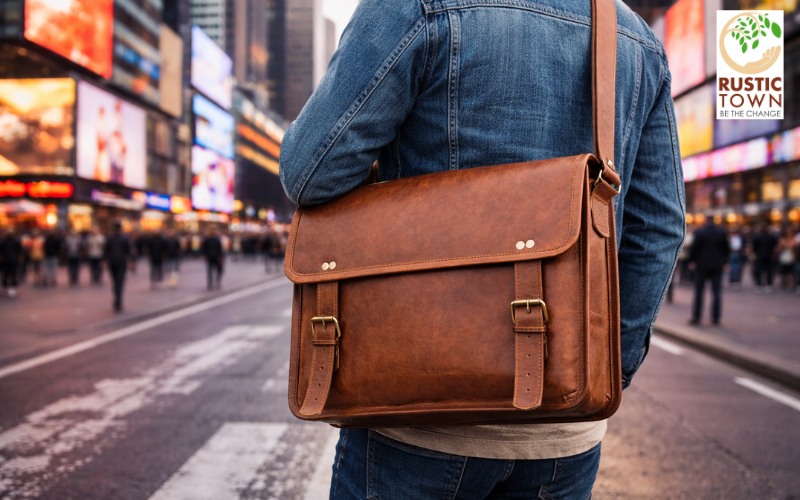
Professional leather messenger bag styling emphasizes intention, proportion, and integration with your complete outfit. The bag is appropriately sized—substantial enough for daily needs but not oversized. It maintains its shape whether full or empty because you've packed thoughtfully. The strap is adjusted properly so the bag sits at a flattering position against your body.
The bag color coordinates deliberately with your wardrobe palette. If you wear predominantly navy and gray, your brown leather messenger bag provides intentional warm contrast. Hardware finish matches other metal accessories—watch, belt buckle, shoes—creating visual cohesion. The leather quality is evident through consistent color, smooth finish, and subtle patina that suggests care rather than neglect.
Your complete outfit reaches business casual standards minimum. The messenger bag accompanies clothing you've deliberately chosen and maintained. Everything appears intentional rather than accidental—the bag is part of a considered professional presentation, not an afterthought grabbed on the way out the door.
Choosing the Right Bag Proportions and Style
Professional styling begins before you ever put the bag on. Selecting a messenger bag with proportions and style details appropriate for business environments makes subsequent styling infinitely easier.
Size Matters: Finding Your Right Proportion
Messenger bags range from compact laptop sleeves to large cargo-haulers. For business casual contexts, medium-sized bags typically work best. A bag approximately 15-16 inches wide, 11-12 inches tall, and 4-5 inches deep accommodates a laptop, daily essentials, and documents without appearing oversized.
Consider your body frame when selecting size. Petite individuals should avoid bags wider than their torso—oversized bags overwhelm smaller frames and create imbalanced silhouettes. Larger individuals can carry bigger bags proportionally, but even then, restraint beats excess. The bag should complement your presence, not dominate it.
Thickness particularly affects professional appearance. Bags that expand significantly when packed look bulky and casual. Bags maintaining relatively consistent profiles appear more polished. If you regularly carry substantial items, choose a bag with adequate base depth rather than relying on expansion.

Hardware and Details That Convey Professionalism
Hardware quality dramatically affects whether your leather messenger bag reads as professional or student-grade. Solid brass, stainless steel, or quality zinc alloy hardware suggests investment and care. Flimsy plastic buckles, cheap zippers, or tarnished metal screams budget accessory.
Hardware finish should be consistent throughout the bag. Mixing brass buckles with silver zippers creates visual confusion. Choose bags where all metal elements share the same finish—all brass, all silver-toned, or all gunmetal. This consistency appears intentional and polished.
Excessive external hardware detracts from professional appearance. Bags covered in buckles, D-rings, and straps everywhere look tactical or outdoorsy rather than business appropriate. Streamlined designs with essential hardware positioned functionally look more refined. Quality leather messenger bags from makers like Rustic Town typically feature thoughtful hardware placement that serves function without excessive decoration.
Closure Style Considerations
Traditional flap closures with buckles or straps look most classically professional. Magnetic closures offer convenience while maintaining clean lines. Zipper closures can appear sporty or casual depending on execution—hidden zippers under flaps look more refined than exposed zippers spanning the entire opening.
Avoid bags with multiple closure methods visible simultaneously—a flap plus visible zippers plus buckles creates visual clutter. Simple, elegant closures that operate smoothly project quality and intentionality.

Color Coordination Strategies
The color of your leather messenger bag significantly impacts how professional it appears. Strategic color selection and coordination with your wardrobe elevates your entire business casual presentation.
Classic Neutrals: Brown, Tan, and Cognac
Brown leather in various shades represents the most versatile choice for business casual messenger bags. Medium brown works with virtually every outfit color—navy, gray, olive, burgundy, black, cream. The warm tone adds richness to business casual looks without clashing.
Cognac or tan leather creates slightly lighter, more distinctive looks while maintaining versatility. These colors particularly complement navy suits, gray trousers, and earth-tone outfits. The lighter leather shows patina development beautifully, growing richer over time.
Dark chocolate brown offers sophistication approaching black's formality while maintaining warmth. This shade works especially well for conservative business casual environments where lighter browns might feel too casual.
Black Leather: Formal but Potentially Limiting
Black leather messenger bags project maximum formality but can appear severe in casual contexts. Black works excellently for business professional environments, formal client meetings, and industries like law or finance. However, black can look too serious for creative industries or relaxed offices.
Black leather also shows scuffs and scratches more obviously than brown tones. While brown leather develops attractive patina, black leather develops more neutral wear patterns. Consider whether your work environment and usage patterns suit black's formality and maintenance requirements.
If choosing black, ensure other accessories—shoes, belt, watch strap—incorporate black elements. A black bag with brown shoes and belt creates disconnected styling that appears unintentional.
Statement Colors: Navy, Olive, Gray
For professionals wanting subtle distinction, navy, olive, or gray leather messenger bags offer sophisticated alternatives to brown and black. Navy leather pairs beautifully with gray suits and earth tones while adding unexpected richness. Olive or forest green leather complements brown, tan, and navy outfits while projecting outdoorsy refinement.
Gray leather creates modern, understated elegance. It coordinates with virtually everything while feeling contemporary and fresh. Gray leather particularly suits tech industries and creative fields where traditional brown or black might feel conventional.
These statement colors require more intentional coordination but offer payoff through distinctive professional style. They signal fashion awareness and confidence without being loud or inappropriate.
Color Coordination Principles
Regardless of which leather color you choose, follow these coordination principles for polished appearance:
Match or complement shoe leather tones. If wearing brown leather shoes, brown or tan bags coordinate naturally. Black shoes pair with black, gray, or navy bags. This doesn't require exact matching—medium brown shoes work with cognac bags—but keeping tones harmonious matters.
Consider metal finishes. Brown leather pairs naturally with brass or gold-toned hardware. Black leather suits silver or chrome finishes. Gray and navy leather work with either. Ensure your bag hardware coordinates with your watch, belt buckle, and other metal accessories.
Create intentional contrast rather than accidental clashing. A cognac bag against navy clothing provides beautiful warm-cool contrast. The same cognac bag against orange or red clothing might clash awkwardly. Think about whether color combinations appear deliberate or random.
Account for leather finish. Matte, distressed leather reads more casual than polished, finished leather. Pair leather finish with outfit formality—distressed bags suit chinos and sport coats, polished bags suit tailored trousers and blazers.
Strap Adjustment and Positioning Techniques
How you wear your messenger bag dramatically affects whether you look polished or disheveled. Proper strap adjustment and positioning separate professionals from students instantly.
Finding Your Optimal Strap Length
The ideal strap length positions your bag at your hip, slightly behind your body's centerline. The bag shouldn't swing below your hip bone or ride up under your armpit. When walking, the bag should stay relatively stable against your body without excessive swinging.
Stand naturally and adjust the strap until the bag's bottom edge aligns approximately with your hip bone. This position balances comfort, access, and appearance. Too high looks awkward and restricts movement; too low appears sloppy and unbalanced.
Many professionals leave straps too long, echoing student styling where bags swing loosely. Tighten your strap more than feels initially natural—the adjustment usually improves both appearance and comfort. A properly positioned bag stays in place rather than requiring constant readjustment.
Positioning the Bag Against Your Body
The bag should rest slightly behind your hip, not directly on your side or swung to your back. This position keeps the bag accessible while preventing it from bumping into things as you move through spaces. You can reach the flap closure easily without contorting.
When standing still, the bag should rest against your body without pulling forward. If the bag pulls or hangs away from your torso, the strap is too long or improperly adjusted. The weight should feel distributed across your shoulder and back, not concentrated at one point.
For photos or presentations, position the bag slightly more behind you than during casual movement. This keeps the bag from dominating your silhouette while maintaining easy access. You want people seeing you first, bag second.
Strap Pad Considerations
Quality leather messenger bags often include padded strap sections that rest on your shoulder. Position this padding at the top of your shoulder where strap weight concentrates. If the padding sits on your upper back or neck, the strap is too long.
Wide straps distribute weight better than thin ones, increasing comfort during extended wear. If your bag has a thin strap causing discomfort, aftermarket strap pads can help. However, excessive padding can look bulky and casual—choose slim, professional-looking pads rather than thick, athletic versions.
Outfit Pairing for Different Business Casual Levels
Business casual encompasses a spectrum from nearly formal to comfortably relaxed. Your leather messenger bag should coordinate with your outfit's formality level while maintaining appropriate professionalism.
Smart Business Casual: Blazers and Tailored Pieces
For dressier business casual situations—client meetings, presentations, important office days—pair your messenger bag with tailored clothing that elevates the overall look.
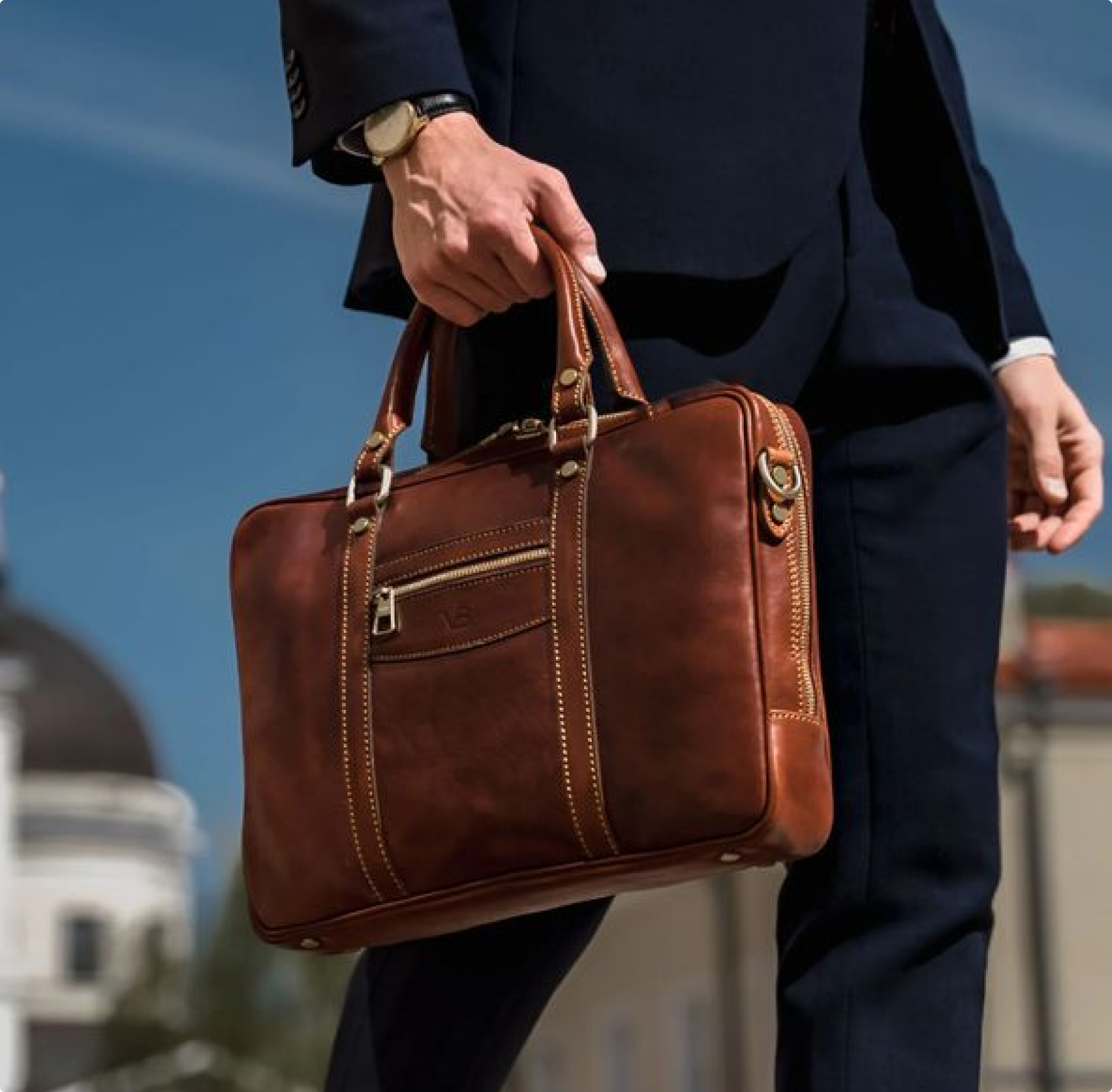
Men's styling: Wear blazers or sport coats in navy, gray, or earth tones with dress trousers or well-fitted chinos. Pair with button-down shirts (tucked), leather dress shoes, and a quality leather belt. A polished brown or cognac leather messenger bag from Rustic Town complements this outfit level perfectly. Ensure the bag isn't overstuffed—a sleek silhouette maintains the polished appearance. Consider a pocket square that picks up tones from your bag leather.
Women's styling: Tailored blazers paired with dress trousers, pencil skirts, or sophisticated dresses create appropriate foundations. Closed-toe heels or leather flats maintain formality. A structured leather messenger bag in brown, black, or navy adds professional polish without briefcase severity. Keep jewelry refined—simple pieces in metals matching your bag hardware. Ensure strap length keeps the bag from interfering with jacket lines or skirt drape.
Standard Business Casual: The Daily Office Look
This middle-ground styling suits typical office days without special events—comfortable but unquestionably professional.
Men's approach: Button-down shirts or quality polos with chinos or dress trousers work well. You can skip the blazer but maintain polish through fit and quality. Leather loafers, dress boots, or clean leather sneakers complete the look. A brown or tan leather messenger bag coordinates naturally. Roll sleeves neatly if desired, but keep shirts tucked for maximum polish. A leather watch band echoing your bag tone ties details together.
Women's approach: Blouses, knit tops, or cashmere sweaters pair with tailored trousers, appropriate-length skirts, or professional dresses. Ballet flats, loafers, or low heels maintain comfort and professionalism. Your leather messenger bag becomes a key accessory—choose colors complementing your primary wardrobe palette. If your closet centers on navy and gray, a cognac bag provides warm contrast. Primarily earth tones suggest navy or black bags for cool contrast.
Casual Business Casual: Relaxed But Intentional
Some industries and companies embrace relaxed business casual approaching smart casual. Even here, intentional styling keeps you looking professional rather than student-like.
Men's casual approach: Dark jeans in excellent condition replace trousers. Henleys, quality t-shirts under cardigans, or casual button-downs (untucked but well-fitted) work appropriately. Clean leather sneakers, desert boots, or casual loafers complete outfits. A leather messenger bag maintains professionalism that separates this from weekend wear. Avoid distressed denim or graphic t-shirts even in casual environments—keep everything clean-lined and intentional.
Women's casual approach: Dark jeans, ankle trousers, or casual dresses suit relaxed environments. Comfortable flats, fashion sneakers, or ankle boots balance professionalism and ease. Your leather messenger bag should still look polished—avoid overly distressed finishes or excessive wear. Accessories can be more creative here—interesting scarves, bold watches, or layered necklaces—while the quality leather bag anchors your look in professionalism.
Avoiding Common Styling Mistakes
Even quality leather messenger bags can look unprofessional when paired with common styling errors. Avoiding these mistakes helps ensure your bag enhances rather than undermines your appearance.
Overstuffing and Shape Loss
The fastest way to make a professional messenger bag look student-like is stuffing it beyond capacity. Bulging bags lose their shape, looking chaotic rather than curated. Items protruding from pockets, visible lumps from odd-shaped contents, or straining closures all broadcast lack of intention.
Pack strategically instead. Use the laptop compartment for your computer and nothing else. Fold documents in folders rather than cramming them loosely. Choose slim accessories—flat chargers, compact mice, minimal cables. If you can't fit items while maintaining the bag's basic shape, you're carrying too much.
Consider a separate bag for gym clothes, extra shoes, or bulk items. Your professional messenger bag should carry daily work essentials, not double as a gym bag or grocery hauler. This separation maintains the bag's professional appearance and longevity.
Neglecting Bag Maintenance
Scuffed, dirty, or damaged bags undermine professional appearance regardless of outfit quality. Water stains, grimy leather, broken buckles, or fraying straps signal carelessness that reflects poorly on your professional standards.
Maintain leather regularly with appropriate conditioner. Wipe down bags after rainy commutes. Address minor repairs immediately before they worsen—reattach loose stitching, replace worn buckles, clean stains promptly. Quality leather ages beautifully with care but deteriorates badly with neglect.
The difference between desirable patina and neglected wear lies in overall condition. Patina adds character through natural darkening and softening. Neglect shows through permanent stains, cracked leather, or structural damage. Keep your bag in the former category through regular minimal maintenance.
Clashing Formality Levels
Wearing suits with casual canvas messenger bags or shorts with formal leather bags creates jarring disconnects. Your bag formality should align with outfit formality. Leather messenger bags suit business casual to business professional. Canvas or nylon versions suit casual settings but look out of place with tailored clothing.
Similarly, highly distressed leather bags don't pair well with formal business casual. Save heavily worn, vintage-looking bags for casual Fridays or creative environments. Match bag condition and finish to outfit refinement—polished leather with pressed shirts, worn leather with relaxed chinos.
Ignoring Seasonal Appropriateness
Heavy, dark leather bags can feel oppressive in summer heat with light linen clothing. Conversely, light tan bags might appear insufficient in winter with heavy wool coats and dark colors. Consider seasonal coordination when selecting and wearing bags.
Summer business casual often involves lighter colors—stone chinos, white shirts, light blue suits. Tan or cognac leather messenger bags complement these palettes. Winter leans darker—charcoal, navy, black—where chocolate brown or black bags coordinate better.
You don't need multiple bags, but if investing in one leather messenger bag, choose a mid-tone brown that transitions across seasons. If building a collection, consider a lighter bag for spring/summer and darker for fall/winter.
Scenario-Specific Styling Guidance
Different professional situations call for varied styling approaches. Understanding how to adapt your leather messenger bag styling to specific contexts ensures consistent professionalism.
Client Meetings and Presentations
When meeting clients or giving presentations, your leather messenger bag should project competence and polish without drawing attention. Choose structured bags maintaining their shape rather than soft, slouchy versions. Ensure the bag appears deliberately packed—nothing protruding, no visible disorder.
Before entering meetings, remove the bag smoothly and place it beside your seat or under the table. Don't wrestle with it or fumble with closure. Practice removing and replacing your laptop or materials smoothly—awkward equipment handling undermines professional presentation.
If presenting standing up, position the bag behind you or to the side rather than directly next to you in sight lines. The bag should disappear from consciousness, not compete for attention with your presentation content.
Commute Styling
During commutes, functionality matters more than in-office appearance, but you should still look intentional. Cross-body positioning keeps hands free for managing transit cards, phones, or coffee. Ensure closures are secure—flaps fully fastened, zippers closed—to protect contents and prevent bag opening accidentally.
On crowded transit, swing the bag from back to front so you can monitor it. This prevents bag checking strangers inadvertently and protects against potential theft. Once you reach less crowded spaces, return the bag to its normal position.
Weather protection matters during commutes. Rain covers or treating leather with water-resistant conditioner protects your investment. If commuting in heavy rain regularly, consider a dedicated weather-resistant bag rather than risking leather damage.
Casual Friday Adaptation
Even on casual Fridays, your leather messenger bag maintains professionalism while your outfit relaxes. This is where quality leather justifies its investment—the bag elevates casual clothing rather than dragging down formal wear.
Pair your professional messenger bag with dark jeans, casual button-downs, and clean sneakers or boots. The bag signals you're still working professionally despite relaxed dress code. This matters particularly in client-facing roles where you might encounter unexpected visitors or meetings.
Avoid making casual Friday too casual. The leather messenger bag shouldn't be the only professional element in an otherwise weekend outfit. Maintain intentional styling—well-fitted clothing, clean shoes, groomed appearance—so the bag fits a professional presentation rather than standing alone.
Business Travel
Traveling for business requires adapting your messenger bag approach. While messenger bags work well for daily commutes, longer business trips might require supplementing with proper luggage. However, your leather messenger bag serves perfectly as a personal item carrying laptop, documents, and travel essentials.
Ensure the bag fits airline personal item size restrictions if you plan carrying it aboard. Most medium messenger bags comply, but verify dimensions before travel. Pack strategically for airport security—laptop easily accessible, liquids in compliant bags, nothing requiring extensive unpacking.
During actual business activities at your destination, style your messenger bag according to local business culture and meeting formality. Research destination norms if traveling internationally—American business casual might differ significantly from European or Asian standards.
Building a Complete Professional Look
Your leather messenger bag represents one element in your complete professional presentation. Integrating it effectively requires considering how all pieces work together.
Coordinating Leather Goods
For maximum polish, coordinate your leather accessories. If wearing brown leather shoes, brown belts, and brown watch straps, a brown leather messenger bag completes cohesive styling. This doesn't require exact matching—varying shades of brown add interest—but keeping within a color family creates intention.
Metal finishes should coordinate too. Silver watch, silver buckles, silver bag hardware look cohesive. Mixing brass hardware bags with silver watches creates subtle discord. While not catastrophic, coordination appears more refined.
Consider leather finish consistency. Polished shoes, distressed bag, and suede belt create finish conflicts. Coordinating finish levels—all polished, all matte, or deliberate mix—looks intentional rather than accidental.
The Role of Minimalism
Professional styling generally benefits from restraint. Your leather messenger bag should enhance your appearance without overwhelming it. Avoid adding unnecessary items—keychains, carabiners, patches, pins—that create visual clutter. Let the leather and design speak for themselves.
This minimalism extends to what you carry. Regularly audit bag contents and remove items you haven't used recently. The lighter your bag, the better it maintains shape and the more comfortable your carry. Minimalism projects organization and intentionality—professional virtues worth cultivating.
Grooming and Overall Presentation
The best-styled leather messenger bag can't compensate for poor grooming or sloppy clothing. Your bag is part of a complete presentation requiring attention to all details. Well-fitted, clean, pressed clothing; appropriate grooming; and good posture all matter as much as bag choice.
Think of professional styling as a system where every element either contributes or detracts. Your leather messenger bag should be a positive contributor in a collection of positive elements. One excellent piece doesn't rescue an otherwise careless presentation.
Conclusion: Confidence Through Intentional Styling
The difference between looking like a student and looking like a polished professional with a leather messenger bag comes down to intentionality, coordination, and attention to detail. By choosing appropriate bag proportions, coordinating colors thoughtfully, adjusting strap length correctly, and pairing your bag with properly fitted business casual clothing, you transform the messenger bag from campus gear into sophisticated professional accessory.
Quality matters enormously—investing in well-made leather messenger bags from reputable makers like Rustic Town provides foundation for successful styling. But even the finest bag appears unprofessional when poorly styled. Conversely, thoughtful styling elevates good bags into great professional presentations.
Master these styling principles and your leather messenger bag becomes a signature element of your professional identity—practical, sophisticated, and distinctly yours. The goal isn't looking like everyone else but looking like the most polished, intentional version of yourself. Your messenger bag, properly styled, helps you project exactly that: a professional who combines practicality with polish, functionality with style, and contemporary sensibility with timeless quality. With these strategies in place, you'll confidently carry your leather messenger bag in any business casual context, knowing you appear professionally capable rather than perpetually collegiate.